Planning Kona snorkel trips can feel overwhelming with so many operators vying for your attention. This guide breaks down every option, from budget-friendly shore dives to luxury private charters, ensuring you choose the perfect adventure for your 2026 vacation. You will find no single-company bias here, just a clear-eyed look at what each tour type delivers, what it costs, and who it suits best. By the time you finish reading, you will know exactly which experience matches your travel style, group size, and budget, and you will have the practical tips to book with confidence.
Table of Contents
- Why Kona is Hawaii’s Snorkeling Capital
- The Big Question: Is Snorkeling in Kona Actually Good?
- Top Kona Snorkel Trips: A Detailed Comparison of Tour Types
- Kona Snorkel Trip Prices: What Should You Expect to Pay?
- How to Choose the Right Tour for You
- DIY vs. Guided Tours: The Budget Traveler’s Guide
- Responsible Snorkeling and Conservation in Kona
- Frequently Asked Questions
- Conclusion: Your Kona Snorkeling Adventure Awaits
Why Kona is Hawaii’s Snorkeling Capital
Kona sits on the leeward, or sheltered, western coast of the Big Island, and that geographic position changes everything. While the windward sides of the Hawaiian Islands catch persistent trade winds and rougher surf, Kona enjoys what locals call “Kona Gold,” a stretch of calm, sun-drenched coastline where the ocean often lies flat as a lake. Visibility routinely exceeds 100 feet, and on the clearest days you can count individual coral heads 150 feet below the surface. That kind of water clarity is rare anywhere in the Pacific, and it transforms a simple snorkel into something closer to flying.
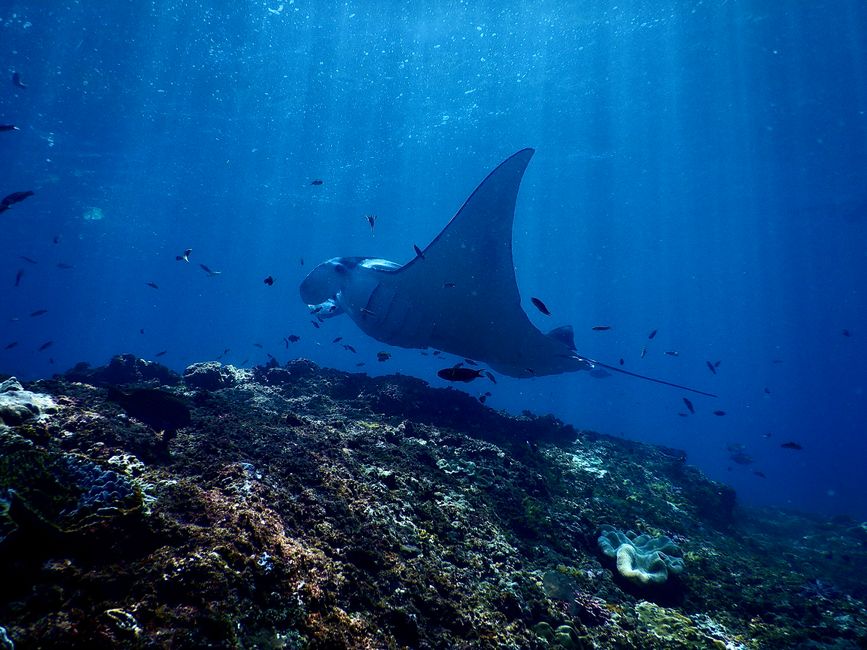
The marine life here is not just abundant; it is singular. Spinner dolphins ride the bow wakes of boats in the early morning. Green sea turtles rest on lava shelves and glide through shallow reefs. Endemic reef fish like the yellow tang, humuhumunukunukuapua‘a, and parrotfish flash through the coral in numbers that make the reef feel alive. But two creatures elevate Kona above every other snorkel destination in Hawaii. The first is the manta ray, specifically the reef manta rays that gather by the dozen at night to feed on plankton drawn to underwater lights. The second is the spinner dolphin, which uses Kona’s bays as daytime resting grounds. No other island offers both experiences with such reliability and proximity to shore.
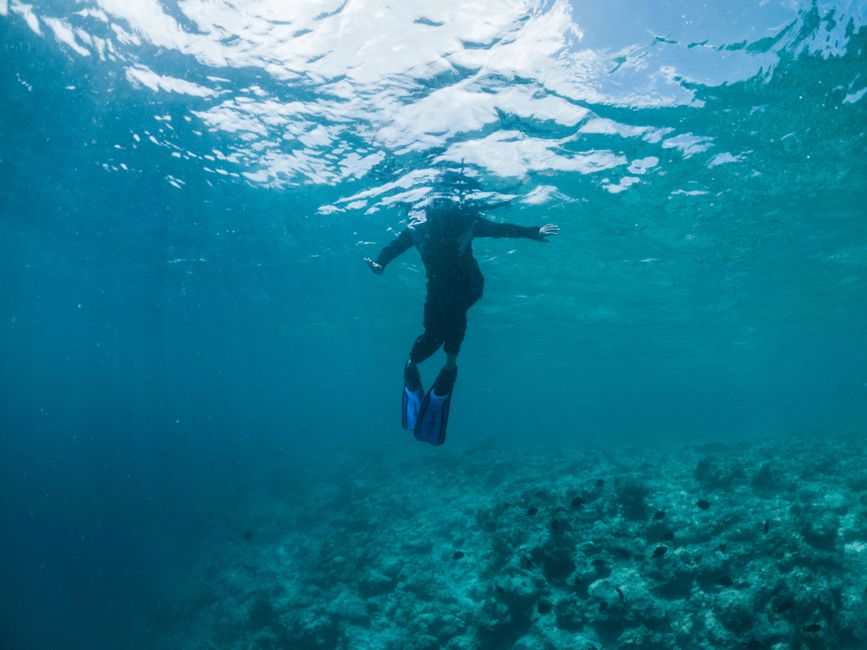
Geography plays another role. The Big Island is the youngest in the Hawaiian chain, and its volcanic slopes drop steeply into deep water just yards from the coastline. This means you can snorkel in 30 feet of water without a long boat ride, and in some spots you can access vibrant reef directly from the lava rock shore. The experience feels raw and immediate in a way that the resort lagoons of Waikiki or the managed marine parks of Maui cannot replicate. Kona is not a manicured snorkeling destination. It is a wild one, and that wildness is precisely the draw.
The Big Island advantage extends beyond the water. Kona itself is less developed than the resort corridors of Oahu or Maui. The town retains a low-key, historic character, with mom-and-pop restaurants, coffee farms climbing the hillsides, and a harbor that still feels like a working fishing port. You come here to snorkel, yes, but you also come here to experience a Hawaii that moves at a slower, more authentic rhythm. The snorkeling is world-class because the ecosystem is intact, and the ecosystem is intact because the coastline has not been loved to death. That balance is fragile, and the best operators in Kona understand it.
The Big Question: Is Snorkeling in Kona Actually Good?
Yes, unequivocally. Kona offers some of the finest snorkeling in the entire Hawaiian archipelago, and for certain experiences, like the manta ray night dive, it is the best in the world. The question deserves a direct answer because many travelers arrive on the Big Island having heard mixed messages. Some guides focus on the black lava landscape and volcanic attractions, leaving snorkeling as an afterthought. That is a mistake. The underwater world here is the equal of any terrestrial attraction on the island.
To put it in context, compare Kona to two famous alternatives. Hanauma Bay on Oahu is a stunning crescent of protected reef, but it requires reservations, draws enormous crowds, and enforces strict time limits. The experience can feel like visiting a museum: beautiful, but highly controlled. Molokini Crater off Maui offers a dramatic crescent-shaped caldera with clear water, but it is accessible only by boat, subject to wind cancellations, and often crowded with multiple tour operators. Kona’s reefs, by contrast, feel undiscovered. You can snorkel at Honaunau Bay, also known as the Place of Refuge, and share the water with a handful of other swimmers while drifting over coral gardens that rival anything at Hanauma Bay. The difference is the absence of turnstiles.

The lava rock factor is worth understanding before you arrive. Kona’s coastline is not defined by long sandy beaches. It is a volcanic shoreline of black rock, tide pools, and steep drop-offs. This geology is precisely why the snorkeling is so good. Sandy bottoms reflect light and support less marine life. Lava rock provides the hard substrate that coral needs to anchor, and the nooks and crannies shelter countless fish species. When you enter the water from a rocky entry point, you are stepping directly into a thriving ecosystem. The trade-off is that you need to be comfortable navigating uneven terrain and sometimes entering the water without a soft sandy ramp. The reward is immediate and spectacular.
Timing matters, though snorkeling in Kona is genuinely a year-round activity. The calmest water conditions arrive during the summer months, from May through October, when the north swells that batter other shores disappear entirely. Winter, from December through April, brings larger swells and occasional south swell events that can stir up visibility on certain coastlines. But winter also brings humpback whales. On any boat tour during whale season, you stand a good chance of hearing whale song underwater and seeing breaches at the surface between snorkel stops. The trade-off is worth it for many visitors, and most protected bays remain calm enough for comfortable snorkeling even in winter.
Top Kona Snorkel Trips: A Detailed Comparison of Tour Types
The Kona snorkel trip market breaks into three main categories, each serving a different kind of traveler. Understanding the distinctions will save you from booking the wrong experience. A manta ray night snorkel is not a day trip to Kealakekua Bay, and a private charter is not simply a more expensive version of a shared tour. Each format has its own rhythm, its own access points, and its own ideal audience.
1. The Bucket List Experience: Manta Ray Night Snorkels
The manta ray night snorkel is the signature Kona experience, the one tour that appears on every must-do list and for good reason. The setup is simple and surreal. You board a boat in the late afternoon or early evening and motor a short distance to one of two primary manta gathering sites: Garden Eel Cove near the airport or the Keauhou area just south of town. As darkness falls, the crew places light boards in the water, flat floating panels studded with powerful LEDs that illuminate the surface from below. The light attracts plankton, and the plankton attracts manta rays. You slip into the water, hold onto the light board, and float face-down while giant mantas, some with wingspans reaching 16 feet, barrel-roll and glide inches beneath you, mouths agape as they filter-feed.
The experience is humbling. Mantas are gentle, intelligent animals with no stingers, no teeth designed for biting, and no aggression toward humans. They move with a balletic grace that feels impossibly slow and deliberate. When a manta swims directly at your light board and veers upward at the last second, its white underbelly filling your entire field of vision, the moment etches itself into memory. Tours run year-round, and the manta population around Kona is resident, meaning they do not migrate. Sightings are so reliable that many operators offer a guaranteed sighting policy or a free re-ride if no mantas appear, a rarity in wildlife tourism.
The best time to go is during the summer months, May through October, when the ocean is calmest. Calm water means less surge at the surface, which makes holding onto the light board more comfortable and reduces the chance of seasickness on the boat ride out. That said, mantas feed year-round, and winter tours see just as many rays. The variable is your comfort in the water, not the mantas’ presence. Moon phase does not significantly affect manta behavior, though some guides note that plankton concentrations can shift with lunar cycles. Do not overthink the calendar. Book the tour that fits your itinerary.
Pricing for manta night snorkels spans a wide range. Budget operators offer tours starting around $99 to $120 per adult, with discounts for children and early booking. These tours typically use larger boats carrying 20 to 30 passengers, and the experience is still excellent because everyone floats at the same light board setup. Mid-range tours in the $130 to $150 range often reduce group sizes and may include amenities like hot drinks, snacks, or wetsuit tops. Premium small-group experiences climb to $170 to $193 and cap passengers at six to fourteen people. At this tier, you get more individual attention from guides, more space at the light board, and often a longer in-water session.
Several operators stand out in the manta tour space. Kona Snorkel Trips holds a 4.8 out of 5 rating from over 780 reviews on Tripadvisor and positions itself as a small-group specialist with lifeguard-certified guides. Fair Wind runs a large, stable catamaran that appeals to families and anyone nervous about small boats on open water. Anelakai Adventures offers something genuinely different: a manta night snorkel aboard a traditional Hawaiian double-hull canoe with a maximum of six guests. The canoe experience is quieter, more intimate, and framed as a cultural encounter rather than a commercial tour. If you want to avoid the crowd of a 30-passenger boat and the engine noise that comes with it, the canoe option is worth the higher price.
A pro tip worth heeding: book the late-night departure when available. Most operators run an early evening tour that departs around 5:30 or 6:00 PM and a later tour that leaves around 8:00 PM. The early tour often overlaps with sunset, which is beautiful, but it also means you may share the manta site with multiple other boats. The late tour typically finds fewer boats at the site, which means more mantas concentrated on your light board and a longer, less rushed in-water session. You will get back to the harbor later, but the trade-off is a more private encounter with the rays.
2. The Classic Day Trip: Captain Cook Monument and Kealakekua Bay
Kealakekua Bay is the crown jewel of Kona’s daytime snorkeling. The bay is a Marine Life Conservation District, a protected status that prohibits fishing and strictly regulates boat access. The result is a reef ecosystem that has been allowed to flourish with minimal human interference. Coral coverage is dense and healthy. Fish biomass is visibly higher than at unprotected sites. The water is typically calm and clear, sheltered by the bay’s steep volcanic walls. And at the center of it all stands the white obelisk of the Captain Cook Monument, marking the spot where the British explorer met his end in 1779 during a violent encounter with Native Hawaiians.
The history adds a layer of significance to the snorkeling. You are swimming in a place where two worlds collided, where the first sustained contact between Europeans and Hawaiians unfolded in a complex and ultimately tragic sequence of events. Many tour operators weave this history into their narration, pointing out the monument, explaining the context, and acknowledging the cultural weight of the site. The snorkeling alone would be worth the trip. The history makes it unforgettable.
Access to Kealakekua Bay comes in several forms. The most common is a boat tour departing from Keauhou Bay or Honokohau Harbor. Large catamarans like those operated by Fair Wind dominate this route. Fair Wind’s morning tour includes a plant-based breakfast and barbecue lunch, 100 percent Kona coffee from the company’s family farm, and amenities that go well beyond snorkeling. Their vessel features two 15-foot water slides, a high dive platform, and underwater viewing boxes for non-snorkelers. The tour runs about four and a half hours and costs between $167 and $198 depending on the season and vessel. It is the family-friendly gold standard, designed for comfort and entertainment as much as for snorkeling.
Smaller rigid-hull inflatable boats, often called zodiacs or rafts, offer a different approach. These vessels are faster, more maneuverable, and carry far fewer passengers, typically six to fourteen. They can zip into sea caves, get closer to the coastline, and reach the bay before the larger boats arrive. The ride is bumpier and wetter, which is part of the appeal for adventure-minded travelers. Prices for zodiac tours to Kealakekua Bay generally run from $117 to $150. You sacrifice the cooked lunch and the water slides, but you gain a more agile, less crowded experience.
Kayak tours represent a third option, though they require more physical effort. You can rent kayaks and paddle across the bay to the monument, a journey of roughly a mile each way. The paddle itself is scenic, and you have the freedom to explore at your own pace. However, kayak landings at the monument are restricted, and you must be comfortable with open-water paddling. This option works best for fit, independent travelers who want to earn their snorkel session.
3. The VIP Option: Private Charters and Small Group Tours
Private charters occupy the top tier of Kona snorkel trips, and they deliver exactly what the price tag suggests: total control over your day on the water. A half-day private charter typically costs between $1,200 and $1,400 for a group of up to six passengers, with larger vessels accommodating more guests at a higher rate. For that investment, you get a boat, a captain, a guide, and an itinerary built entirely around your preferences. You decide when to leave, where to go, how long to stay at each spot, and what species to target. If you want to spend three hours drifting with manta rays and skip the reef entirely, that is your call. If you want to chase dolphins, explore sea caves, and then snorkel a secluded cove, the captain will make it happen.
This format suits couples celebrating a milestone, honeymooners who want privacy, families with young children or older relatives who need a flexible pace, and anyone who has done the shared tour circuit and wants something tailored. The privacy also allows for a different kind of interaction with the guide. On a shared tour, the crew’s attention is divided among dozens of guests. On a private charter, the guide can coach a nervous snorkeler one-on-one, point out subtle marine life that a group would miss, and share stories and local knowledge in a conversational rather than scripted way.
Small group tours occupy a middle ground that delivers much of the private charter experience at a lower price point. Operators like Kona Snorkel Trips cap their shared tours at six to fourteen passengers, a fraction of the 30 to 65 that larger boats carry. The small group format means you are not elbowing for space at the snorkel site, you get more direct guidance from the crew, and the overall experience feels personal rather than industrial. Prices for small group tours run from $139 to $170, which is a significant premium over large-boat tours but a fraction of a full private charter. For many travelers, this is the sweet spot: better than standard, less than luxury.
Customization is the through-line that connects private charters and small group tours. You are not locked into a fixed schedule or a single destination. If conditions are rough on one coast, the captain can pivot to a sheltered bay. If a pod of dolphins appears, you can linger and observe rather than sticking to a timetable. This flexibility is especially valuable on the Big Island, where microclimates and ocean conditions can vary dramatically over short distances. The ability to adapt in real time often makes the difference between a good day on the water and a great one.
Kona Snorkel Trip Prices: What Should You Expect to Pay?
Understanding the price landscape for Kona snorkel trips helps you avoid sticker shock and identify genuine value. The market spans four distinct tiers, and each tier delivers a fundamentally different product. Knowing where your budget falls and what that budget buys will narrow your options quickly.
The budget tier, roughly $30 to $60, covers DIY gear rental and shore snorkeling. For this price, you can rent a mask, snorkel, and fins from a shop like Snorkel Bob’s for a full week. You will not get a guide, a boat ride, or access to offshore sites, but you can explore excellent shore-entry spots like Kahalu‘u Beach Park and Honaunau Bay entirely on your own schedule. This is the cheapest way to snorkel in Kona, and it works well for confident swimmers who do not need supervision.
The standard tier, $99 to $140 per adult, is where most shared boat tours live. This range covers the majority of manta ray night snorkels and the lower end of Captain Cook day trips. At this price, you can expect a boat with 20 to 30 passengers, standard snorkel gear included, a guide or two, and a straightforward itinerary. The experience is solid and safe. You will see mantas or reef fish. You will not get gourmet meals, tiny group sizes, or much individual attention, but you will get the core experience at a fair price.
The premium tier, $150 to $200, buys a noticeably better experience. Small group tours, traditional canoe outings, and trips with full meals and premium amenities all fall into this bracket. The difference is tangible: fewer people on the boat, more time in the water, better food, and guides who can actually learn your name. If you are traveling with children, nervous about snorkeling, or simply want to avoid the cattle-boat feel, the premium tier is worth the extra money. The jump from $120 to $170 may look steep on paper, but it often transforms the experience from a transaction into a memory.
The luxury tier, $1,200 and up, is the domain of private charters. This is not a per-person price; it is the cost of the boat for a half-day, typically covering up to six guests. Split among a group, the per-person cost can be comparable to a premium small-group tour, but the experience is entirely different. You get a private vessel, a dedicated crew, and complete control over the itinerary. For a special occasion or a once-in-a-lifetime splurge, it delivers.
Hidden costs can inflate the sticker price if you are not paying attention. Some operators add port taxes and harbor fees at checkout, typically $5 to $10 per person. Gear rental is usually included, but not always, so confirm when booking. Wetsuit tops are often available for a small rental fee, usually $5 to $10, and they are worth it on night tours when the water can feel cool after sunset. Gratuities for the crew are customary and not included in the tour price. The standard range is 15 to 20 percent of the tour cost, so factor that into your budget.
Discounts and promo codes are common in the Kona market, especially for direct bookings on operator websites. Codes like “Morning10” or “SAVE10” frequently appear on homepage banners and booking pages. Early morning departures are sometimes discounted because they are less popular. Booking well in advance can also unlock lower rates, as can traveling during the shoulder seasons of May and September. Do not book through a third-party aggregator without first checking the operator’s own site for a better direct price.
Value is not the same as price. The cheapest manta tour on the harbor might save you $30, but if it packs 40 people onto a boat and rushes you through a 30-minute in-water session, you have not saved money; you have wasted it. A tour that costs $150 and gives you 90 unhurried minutes with the mantas in a group of eight is the better value by any honest measure. When comparing options, look at group size, in-water time, and included amenities before you look at the dollar figure.
How to Choose the Right Tour for You
Matching the right tour to your specific situation is the step most travelers skip, and it is the step that most determines whether you walk away raving or underwhelmed. The best tour for a family with a four-year-old is not the best tour for a solo adventure traveler, and the tour that delights a honeymooning couple might bore a group of college friends. Use this framework to narrow your choices.
For first-timers and non-swimmers, stability and support matter above all else. Choose a large catamaran like the Fair Wind for daytime snorkeling or a well-established manta operator with a reputation for patient, lifeguard-certified guides. These boats have wide decks, sturdy ladders, and ample flotation devices including life jackets and pool noodles. You can enter the water gradually, stay close to the boat, and exit without struggling against a narrow ladder on a pitching zodiac. Tell the crew you are nervous. They have seen it a thousand times and will keep an eye on you. Kona Snorkel Trips is another strong choice for first-timers because their small groups allow guides to provide individual support.
For families with young kids, look for tours that explicitly welcome children and offer amenities beyond snorkeling. Fair Wind’s minimum age is four for child pricing, and the water slides and high dive platform give kids something to do between snorkel sessions. The underwater viewing boxes let non-snorkeling family members see the reef without getting wet. A four-and-a-half-hour tour with a meal included also solves the logistics of keeping everyone fed and happy. Confirm the minimum age before booking; some manta tours set the bar at seven years old, which may rule out families with younger children.
For couples and honeymooners, intimacy and atmosphere take priority. The Anelakai Adventures double-hull canoe manta tour, capped at six guests, offers a quiet, romantic alternative to the diesel engines and crowd noise of larger boats. A small-group day tour with a maximum of six to eight passengers provides a similarly uncrowded experience. If your budget allows, a private charter turns the day into something truly special. You can request a sunset sail, a secluded snorkel spot, and a pace that feels unhurried and personal.
For adventure seekers, speed and agility matter. Zodiac-style rigid-hull inflatable boats cover more ground faster, reaching remote sea caves, lava tubes, and coastline that larger boats cannot access. The ride is physical, wet, and exhilarating. Kayak tours to Kealakekua Bay offer a self-powered adventure with a real sense of accomplishment. If you are fit, comfortable in the water, and bored by the idea of a slow cruise, the zodiac or kayak route is your lane.
For photographers, space and time are non-negotiable. You need a small group tour where you are not jostling for position at the light board or the reef. You need guides who understand that you want to linger on a subject rather than move with the group. And you need to bring the right gear. A red filter for your underwater camera or GoPro corrects the blue-green color cast and restores the vivid reds and oranges of coral and fish. For manta night tours, a camera with good low-light performance is essential, and you should practice adjusting settings in the dark before you get in the water. Some operators offer GoPro rentals, but availability varies, so confirm in advance or bring your own.
DIY vs. Guided Tours: The Budget Traveler’s Guide
Not every Kona snorkeling experience requires a boat ticket and a guide. The Big Island offers some of Hawaii’s best shore-entry snorkeling, and for travelers on a tight budget or those who simply prefer independence, the DIY route is legitimate and rewarding. The key is knowing where to go and understanding the trade-offs.
Honaunau Bay, also called the Place of Refuge, is the premier shore snorkeling site on the Kona coast. The entry is a simple step off a low lava rock shelf into calm, clear water. The reef extends in both directions from the entry point, with healthy coral, abundant fish, and frequent turtle sightings. The bay is protected from large swells, and visibility is consistently excellent. Parking can be tight, especially on weekends, so arrive early. There are no lifeguards, no rental shops on site, and no facilities beyond portable toilets, so bring everything you need.
Kahalu‘u Beach Park, just south of Kailua-Kona town, is the most accessible option for beginners and families. It has a sandy entry, a protected lagoon-like area with calm water, and an abundance of fish that are habituated to swimmers. The downside is crowds. Kahalu‘u is popular precisely because it is easy, and on a busy morning the water can feel like a swimming pool. Go early or on a weekday to avoid the crush. Reef-safe sunscreen is mandatory here; volunteers sometimes check and educate visitors about chemical sunscreen’s impact on the reef.
Gear rental makes the DIY approach financially compelling. Renting a mask, snorkel, and fins from a shop like Snorkel Bob’s costs roughly $30 to $60 for a full week, less than half the price of a single budget boat tour. You can snorkel every day of your vacation for the cost of one guided outing. The flexibility is liberating. You can chase good conditions, revisit a favorite spot, or spend an hour in the water and call it a day without feeling like you need to maximize a paid tour.
The drawbacks of DIY snorkeling are real and worth weighing. You are on your own for safety. No guide is watching the current, checking the weather, or keeping an eye on your group. Ocean conditions can change quickly, and what looks like a calm entry at 9:00 AM can become a choppy, challenging exit by 11:00 AM. You also miss the context that a good guide provides: the history of the bay, the behavior of the marine life, the cultural significance of the site. And critically, you cannot access offshore sites like the manta ray feeding grounds from shore. The manta night snorkel is a guided experience by necessity, not by marketing.
A hybrid approach often delivers the best of both worlds. Spend your first few days doing DIY shore snorkels at Honaunau and Kahalu‘u. Get comfortable in the water, dial in your gear, and enjoy the freedom of independent exploration. Then allocate your budget to one premium guided tour, ideally the manta ray night snorkel, which you simply cannot replicate on your own. This strategy keeps costs down while ensuring you do not miss the one experience that defines Kona snorkeling.
Responsible Snorkeling and Conservation in Kona
The reefs and marine life that make Kona snorkeling extraordinary are not indestructible. They face pressure from climate change, coastal development, sunscreen pollution, and the sheer volume of visitors who enter the water each year. Snorkeling responsibly is not optional; it is the price of admission, and it starts with understanding the protected status of the places you are visiting.
Kealakekua Bay is a Marine Life Conservation District, a designation that carries legal protections and strict rules. Fishing is prohibited. Boats must follow specific access protocols. Touching coral, standing on the reef, or harassing marine life is illegal and enforceable. Coral is a living animal, and even a light touch can damage its protective mucus layer and introduce infection. Keep your fins up and your hands to yourself. If you need to rest, float on your back or use a flotation device. Never stand on what looks like a rock; it is almost certainly a living organism.
Manta ray etiquette deserves its own discussion because the night snorkel creates a unique interaction between humans and wild animals. The light boards are designed to attract plankton, which in turn attract the mantas. The mantas choose to approach. They are not baited, fed, or coerced. Your job is to be a passive observer. Do not chase a manta. Do not reach out to touch one. Do not kick your fins wildly as a manta passes beneath you; a fin strike can injure the animal. Float calmly, keep your body horizontal, and let the mantas control the encounter. The experience is far more powerful when you are a respectful guest in their world rather than an aggressive intruder.
Reef-safe sunscreen has moved from a niche recommendation to an absolute requirement. Chemical sunscreens containing oxybenzone and octinoxate have been shown to bleach coral, damage fish DNA, and disrupt marine ecosystems. Hawaii banned the sale of sunscreens containing these chemicals in 2021, but old stock still circulates, and many visitors arrive with non-compliant products purchased elsewhere. The safe alternative is mineral sunscreen based on zinc oxide or titanium dioxide. These formulas sit on top of the skin rather than absorbing into it, and they do not leach harmful chemicals into the water. Many Kona tour operators provide reef-safe sunscreen on board, but bring your own to be certain. Apply it at least 15 minutes before entering the water so it has time to bind to your skin.
Choosing a responsible operator amplifies your individual efforts. Look for companies that employ lifeguard-certified guides, use eco-friendly cleaning products on their vessels, and contribute to local conservation initiatives. Ask whether the operator follows the voluntary guidelines for manta ray interactions established by local marine organizations. A responsible operator will be happy to answer these questions. An operator who brushes them off or seems unaware of the issues is not one you want to support. Your tourism dollars are a vote for the kind of industry you want to see in Kona.
Frequently Asked Questions
What is the best time of year for Kona snorkeling?
Snorkeling in Kona is excellent year-round, but the calmest water conditions occur during the summer months, May through October. Winter, from December through April, can bring larger swells, but it also brings humpback whales. Many travelers find the trade-off worthwhile, and protected bays remain snorkelable even when open coasts are rough.
How long is a typical Kona snorkel trip?
Manta ray night snorkels run approximately two hours from departure to return. Captain Cook and Kealakekua Bay tours typically last three and a half to four and a half hours. Private charters are usually booked in four-hour half-day blocks, with full-day options available. Whale watching and dolphin combo tours run about two and a half to three hours.
Do I need to know how to swim to go on a snorkel tour?
No, but you should be comfortable in the water. Most operators provide flotation devices, life jackets, and pool noodles that keep you buoyant with minimal effort. Guides are trained to assist nervous guests. That said, if you have a genuine fear of water or panic when your face is submerged, a snorkel tour may not be the right activity. Be honest about your comfort level when booking.
What should I bring on a snorkel trip?
Bring reef-safe sunscreen, a towel, a light jacket or windbreaker for the boat ride, and a waterproof camera if you have one. Many operators provide snacks and drinks, but confirm in advance. For night tours, a warm layer is essential; the air temperature drops after sunset, and you will be wet. Avoid bringing valuables that cannot get splashed.
Are there age restrictions?
Most tours allow children aged three and older, but some manta ray night tours set a minimum age of seven due to the darkness and the need to remain calm in the water. Check with the operator before booking. Children under 18 typically receive a discount, and some operators offer free spots for very young children on daytime tours.
Conclusion: Your Kona Snorkeling Adventure Awaits
The best Kona snorkel trip is the one that matches your budget, your group, and your comfort level. There is no single right answer, only the right answer for you. A family with young kids will thrive on a large catamaran with water slides and a cooked lunch. A couple seeking romance will treasure a six-person canoe under the stars. A solo adventurer on a tight budget can piece together an incredible week of DIY shore snorkeling and one splurge night with the mantas.
If you take one thing from this guide, let it be this: do not skip the manta ray night snorkel. It is the experience that has no substitute, the one that will dominate your memories and your photos, the one that you will still be talking about years later. Book it early in your trip so you have flexibility if weather forces a reschedule. Check the operator’s cancellation policy before you pay. And then get in the water. The mantas are waiting.
