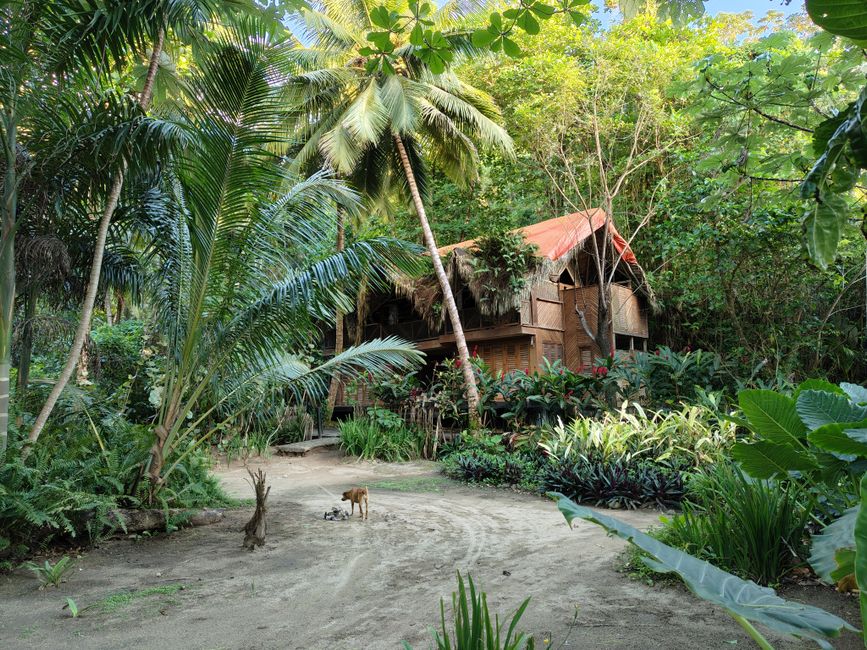
The search for off grid homes in Hawaii has shifted dramatically in 2026. What was once a fringe lifestyle reserved for back-to-the-land purists and jungle hermits has matured into a legitimate, multi-tiered real estate market. Buyers now range from remote workers chasing fiber-connected solitude on the Big Island to engineers commissioning net-zero luxury compounds on Maui. This guide strips away the Instagram fantasy and gives you the numbers, the legal realities, and the practical steps to evaluate whether buying or building an off-grid home in Hawaii is actually feasible for you this year.
Table of Contents
- The State of Off-Grid Living in Hawaii (2026 Market Snapshot)
- Island-by-Island Comparison for Off-Grid Homes
- How Much Does It Really Cost to Go Off-Grid in Hawaii?
- The Legal Reality – Permits, Zoning & Lava Zones
- Essential Off-Grid Systems for Hawaii Homes
- Lifestyle Realities – What No One Tells You About Off-Grid Hawaii
- How to Find and Evaluate Off-Grid Properties in Hawaii
- Frequently Asked Questions About Off-Grid Homes in Hawaii
- Conclusion – Is an Off-Grid Home in Hawaii Right for You?
The State of Off-Grid Living in Hawaii (2026 Market Snapshot)
The off-grid market in Hawaii is active but remains a narrow slice of the broader real estate landscape. Across the state, LandSearch currently lists over 180 off-grid properties, a figure that has held relatively steady over the past two years despite fluctuating demand. The Big Island dominates this inventory by a wide margin, accounting for the vast majority of listings, with smaller pockets of activity on Maui, Kauai, and the remote corners of Molokai.
The price spread is extreme and tells two very different stories about what off-grid living means in practice. At the entry level, you can find raw land parcels as small as one acre in Hawaiian Ocean View listed for $39,999. On the opposite end, a 72.7-acre property in ʻŌʻōkala on the Hamakua Coast commands $655,500. The average listing price across all off-grid properties hovers around $779,010, though that figure is skewed upward by a handful of high-end, turnkey properties with existing homes and sophisticated infrastructure.

That entry-level affordability comes with a catch that every serious buyer needs to understand: lava zone risk. The cheapest land on the Big Island sits squarely in Lava Zones 1 and 2, the areas designated by the USGS as having the highest probability of future lava flow coverage. This risk suppresses land values and makes traditional lender financing and standard homeowners insurance difficult or impossible to obtain. The trade-off is real, and it is the single biggest factor separating a $40,000 lot from a $400,000 one.
A notable shift in 2026 is the emergence of what can only be called luxury off-grid. Properties like the two-home compound near the Hana Highway on Maui, complete with solar arrays, fiber optic internet, propane delivery service, and an electric gate, have redefined what the term means. These are not rough cabins with composting toilets. They are fully appointed residences that happen to generate their own power and collect their own water. This segment is growing as remote work continues to drive interest in Hawaii from high-earning professionals who want self-sufficiency without sacrificing modern comfort.
Looking ahead, two trends are shaping the market. First, Hawaii County is signaling stricter enforcement of building permits, which will likely reduce the number of unpermitted off-grid homes listed for sale and push prices upward for compliant properties. Second, climate migration continues to bring new buyers to Hawaii, particularly from the western United States, increasing competition for the limited inventory of habitable off-grid land.
Island-by-Island Comparison for Off-Grid Homes
Big Island (Hawaiʻi) – The Off-Grid Capital
If you are serious about buying an off-grid home in Hawaii, you will spend most of your time looking at the Big Island. The Puna district, encompassing Pahoa, Volcano, Mountain View, and Hawaiian Ocean View, is the epicenter of off-grid living in the state. These areas offer the most inventory, the lowest prices, and a long-established culture of owner-built, catchment-fed, solar-powered homes.
The reason for this concentration is straightforward: the Big Island has large swaths of agricultural-zoned land that were subdivided decades ago into affordable parcels, many of which have never been connected to the electrical grid. Buyers here are not opting out of grid connection so much as moving into a region where grid connection was never economically feasible. The county government in Hawaii County has historically been more permissive toward unpermitted structures than other islands, though that is changing in 2026 as enforcement ramps up.
Lava zone risk is the defining variable for Big Island properties. Before you make an offer on any parcel, pull up the USGS lava flow hazard map and check the zone designation. Zone 1 covers the summits and rift zones of active volcanoes and carries the highest risk. Zone 2 includes areas adjacent to and downslope from active rift zones. Zones 3 through 9 represent progressively lower risk. The price difference between a Zone 2 lot and a Zone 3 lot can be staggering, and your ability to insure the property hinges on this classification.
Maui – The High-End Off-Grid Frontier
Maui occupies a different niche in the off-grid market. Inventory is thinner, prices are higher, and the buyer profile skews toward those who can afford to do it right rather than those who are trying to do it cheap. This is the island where Hawaii Off Grid, the state's largest architecture and engineering firm specializing in off-grid water, wastewater, and energy systems, has been operating since 2015. HIOG requires all new builds to be net zero, a standard that is likely to become the norm across the state over the next decade.
The Hana Highway corridor is the primary hotspot for off-grid properties on Maui. Parcels here often come with features that are rare on the Big Island: perennial streams, mature fruit trees, and existing solar infrastructure. The trade-off is price. You will not find $40,000 lots here. What you will find are properties that blur the line between off-grid and luxury estate, with professional-grade system design and high-quality construction.
Kauai & Oahu – The Hard Mode
Kauai and Oahu present significant challenges for off-grid buyers. Kauai has limited off-grid inventory, concentrated mostly in remote valleys near Hanalei and Haena. These areas are subject to strict flood and tsunami regulations that complicate permitting and can make insurance prohibitively expensive. The North Shore's legendary rainfall makes water catchment viable, but the regulatory environment is less forgiving than the Big Island's.
Oahu is the least viable island for true off-grid living. Land costs are the highest in the state, zoning is dense, and the county's building department is not accustomed to reviewing off-grid system designs. You can find properties that incorporate solar and catchment elements, but finding a truly disconnected, self-sufficient home on Oahu is rare and expensive.
Molokai and Lanai offer raw land opportunities at prices that can compete with the Big Island, but they come with a different set of problems. The contractor ecosystem for off-grid system installation is thin to nonexistent on these islands. Shipping materials, finding qualified labor, and obtaining timely inspections are all harder. For a buyer willing to DIY extensively and manage logistics, these islands can work. For everyone else, they represent more frustration than savings.
How Much Does It Really Cost to Go Off-Grid in Hawaii?
Land Acquisition Costs (2026 Data)
Statewide, raw land averages $80,533 per acre, but that number obscures more than it reveals. On the Big Island, you can still find parcels in the $40,000 to $100,000 per acre range, particularly in Hawaiian Ocean View and the more remote subdivisions of Puna. Improved lots with graded road access, cleared building pads, and existing catchment tanks command a 30 to 50 percent premium over raw, untouched parcels.
For buyers who want a structure already in place, the existing home market tells a clearer story. Zillow currently shows off-grid homes in the Pahoa area ranging from $100,000 for a fixer-upper to $550,000 for a turnkey property with modern systems. A specific listing in Mountain View, a three-bedroom, two-bath home of 524 square feet, is priced at $120,000 after a $35,000 reduction. A larger five-bedroom, three-bath home of 2,304 square feet in Pahoa is listed at $240,000 after a $59,000 price cut. These are real, current numbers that reflect the market reality for existing off-grid homes on the Big Island.
System Setup Costs (Solar, Water, Waste)
The cost of off-grid infrastructure is where many buyers underestimate the total investment required. A full solar and battery system sized for a typical off-grid home runs between $15,000 and $40,000, depending on panel count, battery chemistry, and inverter capacity. Lithium batteries are now standard for new installations, offering longer cycle life and better depth of discharge than the lead-acid banks common in older systems. Hawaii offers a 35 percent state tax credit on solar installations, which stacks with the federal Investment Tax Credit, significantly reducing the net cost for buyers who install new systems.
Water catchment is the primary water source for most off-grid homes, especially on the Big Island where wells are uncommon and municipal water lines are nonexistent in rural subdivisions. A complete catchment system, including a 10,000 to 30,000 gallon tank, seamless aluminum gutters, first-flush diverters, and a multi-stage filtration setup, costs between $5,000 and $15,000 installed. The tank itself is the largest single expense, and prices for polyethylene tanks have risen modestly in 2026 due to shipping costs.
Wastewater is the third leg of the infrastructure stool and the one most likely to trip up buyers. A permitted septic system, including engineering, perc testing, excavation, tank, and leach field, runs $8,000 to $20,000 depending on soil conditions and system complexity. Many off-grid homes, particularly older ones in Puna, use composting toilets or unpermitted cesspools instead. These may function fine day to day, but they create problems when you try to sell, finance, or insure the property.
Hidden Costs & Recurring Expenses
Beyond the upfront capital costs, off-grid living carries recurring expenses that do not show up in listing photos. Propane delivery for cooking, water heating, and clothes drying runs $200 to $500 per month depending on household size and appliance efficiency. Most off-grid homes use propane for thermal loads because running those appliances off solar and batteries would require an impractically large system.
Backup generators are a fact of life, even with well-designed solar systems. Extended cloudy periods, particularly on the windward side of the Big Island, can deplete battery banks. Generator maintenance, fuel storage, and periodic replacement add another line item to the monthly budget.
Jungle maintenance is the expense no one budgets for and everyone learns to respect. In Puna and other wet-side locations, vegetation grows aggressively year-round. Weed whacking, tree trimming, roof cleaning to prevent moss and lichen buildup, and termite treatment are non-negotiable recurring costs. Neglect them for a few months and you will have a structure being consumed by the environment.
The Legal Reality – Permits, Zoning & Lava Zones
Off-grid living is legal in Hawaii, but the phrase "off-grid" has no special legal meaning. What matters is whether your structures are permitted. Hawaii County, which governs the Big Island where most off-grid homes are located, does not have an off-grid ban or an off-grid exemption. The same building codes apply whether you are connected to the grid or not. If you build a dwelling, it needs a building permit. If you install a septic system, it needs a wastewater permit. If you add solar panels, the electrical work needs to be permitted and inspected.
The reality on the ground is messier than the law on the books. A significant number of off-grid homes in the Puna district were built without permits. These homes trade as cash-only or as-is listings because lenders will not finance unpermitted structures and insurers will not write policies on them. The Reddit threads on off-grid Hawaii are full of candid discussions about this dynamic: yes, people do it, yes, many homes exist and are occupied, and no, it is not without legal risk.
Hawaii County has been increasing enforcement on unpermitted dwellings in 2026. More inspections are occurring, and fines for non-compliance are being levied. If you buy an unpermitted home, you are buying a potential liability. The county can require you to bring the structure up to code or demolish it. In practice, enforcement is complaint-driven and uneven, but the trend is toward stricter compliance.
Lava zone classification affects more than just your physical safety. It determines your ability to insure the property. Lava Zones 1 and 2 are effectively uninsurable for lava coverage through standard carriers. Some homeowners obtain policies through the Hawaii Property Insurance Association, but premiums are high and coverage is limited. If you finance the property, your lender will require insurance, which means lava zone properties often must be purchased with cash.
Property tax strategy is worth understanding before you buy. Agricultural-zoned land is taxed at a lower rate than residential land, typically 3 percent versus 9 percent of assessed value in Hawaii County. To qualify for agricultural classification, you must demonstrate bona fide agricultural use. A few fruit trees and a vegetable garden may not satisfy the assessor. Commercial-scale production, documented sales of agricultural products, or a farm plan filed with the county are more reliable paths to the lower rate.
Essential Off-Grid Systems for Hawaii Homes
Solar Power – Sizing for the Tropics
Hawaii's solar resource is excellent, with most locations receiving five to six peak sun hours per day. However, the state's microclimates create significant variation. The leeward side of the Big Island, including Kona and Ocean View, sees abundant sunshine year-round. The windward side, including Hilo and Puna, experiences frequent cloud cover that reduces panel output and requires larger battery banks to bridge the gaps.
Volcanic vog, the hazy air pollution from Kilauea's ongoing eruption, is a factor unique to Hawaii that affects solar performance. Vog particles settle on panel surfaces and reduce output. Moss and lichen growth on panels is also common in wet areas. The best practice is to oversize your array by 20 percent relative to calculated load and to budget for regular panel cleaning.
The industry trend toward net-zero design, championed by firms like Hawaii Off Grid on Maui, is becoming standard practice for new construction. A net-zero home generates as much energy as it consumes over the course of a year, typically through a combination of high-efficiency building envelope design, efficient appliances, and a properly sized solar and battery system. For buyers building new in 2026, designing to net zero from the start is cheaper than retrofitting later.
Water Catchment – The Primary Source
Rainwater catchment is the standard water supply for off-grid homes on the Big Island and is common on Maui and Kauai as well. The concept is simple: rain falls on your roof, flows through gutters into a storage tank, and is pumped through a filtration system to your fixtures. Execution matters. Roof material must be suitable for potable water collection; metal roofing is standard, while asphalt shingles and some painted surfaces can leach contaminants.
Tank sizing is a function of roof area, annual rainfall, and household consumption. For a family of four, a 10,000-gallon tank is the practical minimum. In drought-prone areas or for households that want a larger safety margin, 20,000 gallons or more is recommended. Multiple tanks can be linked to increase capacity without requiring a single massive footprint.
Filtration is not optional. A proper system includes sediment filtration to remove particulates, carbon filtration to address taste and organic compounds, and UV sterilization to kill bacteria and viruses. Some households add reverse osmosis for drinking water, though this is energy-intensive and produces wastewater. Testing your water quarterly is a good habit; catchment water quality varies with roof cleanliness, tank maintenance, and seasonal rainfall patterns.
Wastewater & Sanitation
A permitted septic system is the gold standard for off-grid wastewater treatment. It satisfies lenders, insurers, and county inspectors. The process requires a perc test to determine soil absorption rate, an engineered system design, and county approval before installation. On lava rock terrain, finding suitable soil for a leach field can be challenging and expensive, which is one reason unpermitted alternatives persist.
Composting toilets have improved dramatically in the past decade and are a viable option for off-grid homes. Brands like Nature's Head and Separett separate liquid and solid waste, use a small fan for ventilation, and produce a composted material that can be used on ornamental plants. They use no water and minimal electricity. The catch is that they may not satisfy a lender's appraisal requirements if you ever want to sell or refinance, and some county health departments view them with skepticism.
Greywater systems, which divert water from sinks, showers, and laundry to landscape irrigation, are gaining popularity as a way to reduce septic load and irrigate plantings. They must be designed to prevent standing water, which breeds mosquitoes, and to avoid direct contact with edible crops. Simple branched-drain systems that distribute water to mulch basins are inexpensive and effective when properly installed.
Lifestyle Realities – What No One Tells You About Off-Grid Hawaii
The privacy that off-grid living offers is genuine and profound. Many properties sit at the end of unpaved roads with no visible neighbors, surrounded by forest or lava fields. The quiet is deeper than most people have ever experienced, broken only by rain, birds, and the nighttime chorus of coqui frogs. For buyers seeking solitude, off-grid Hawaii delivers.
The jungle demands constant attention. In Puna and other wet-side locations, vegetation grows with an intensity that newcomers from temperate climates cannot fully appreciate. A cleared driveway can become impassable in weeks. A roof left uncleaned for a season will grow a thick mat of moss that holds moisture against the metal and accelerates corrosion. Centipedes, mosquitoes, and rats are facts of life that require ongoing management. This is not a weekend cabin scenario; it is a continuous engagement with a powerful natural environment.
Food self-sufficiency is achievable but requires a different skill set than mainland gardening. Tropical permaculture in Hawaii revolves around staple crops like breadfruit, taro, sweet potato, and cassava, supplemented by fruit trees like papaya, banana, and citrus. Chickens are the most practical livestock for eggs and pest control. The learning curve is steep for anyone accustomed to temperate-zone annual vegetable gardening, and the pests and diseases are different. The off-grid communities in Pahoa and Volcano have deep knowledge networks that new arrivals can tap into.
Community varies dramatically by location. Pahoa and Volcano have well-established off-grid networks with informal knowledge sharing, tool lending, and social connections. Remote Maui properties, particularly those far up the Hana Highway, can be genuinely isolating. The difference between having neighbors who understand your lifestyle and being the only occupied house for miles is significant for long-term satisfaction.
Internet access has transformed the viability of off-grid living for remote workers. Fiber optic connections are arriving in unexpected places, and some off-grid listings now advertise high-speed internet as a feature. Starlink and other satellite internet services have also improved dramatically, making it possible to work from locations that have no wired infrastructure. This is a major shift from even five years ago, when off-grid often meant offline.
How to Find and Evaluate Off-Grid Properties in Hawaii
The search for off-grid property starts with the right platforms. LandSearch offers the most granular filtering for off-grid criteria, allowing you to screen for properties with existing solar, water wells, septic systems, and even unusual features like airstrips or bunkers. This is the best tool for buyers who know exactly what infrastructure they want. Zillow is stronger for existing homes and provides price history data that reveals how long a property has been sitting and whether the seller is motivated. Land.com is useful for raw land searches, particularly larger parcels. For luxury off-grid listings, Hawaii Life's website showcases higher-end properties that may not appear on the mass-market platforms.
Photographs lie, or at least they mislead. Lava rock terrain that looks flat in wide-angle listing photos can be jagged, uneven, and expensive to grade. Access roads that appear passable in dry-season photos can become impassable mud pits during winter rains. Neighbors who are invisible in carefully framed shots may be closer than you expect. There is no substitute for an in-person visit. Walk the property. Drive the access road in the rain. Talk to the neighbors if there are any. Stay in the area for at least a few days to understand the microclimate and the rhythms of the place.
Hire a local real estate agent who specializes in off-grid or agricultural properties. A resort specialist in Kona or Wailea does not know the Puna subdivisions, does not understand catchment systems, and cannot advise you on lava zone implications. The right agent will have closed transactions on unpermitted homes, will know which lenders work with off-grid properties, and will have relationships with the contractors and inspectors you will need after closing.
Before making an offer, pull a permit history report from the county building department. This document shows every permit ever issued for the property and will reveal unpermitted structures, open violations, and expired permits. An unpermitted addition or dwelling is not necessarily a dealbreaker, but you need to know about it before you own it. The cost of bringing an unpermitted structure into compliance can equal or exceed the purchase price of the land.
Frequently Asked Questions About Off-Grid Homes in Hawaii
Can you live off-grid legally in Hawaii? Yes, off-grid living is legal, but all permanent structures must be permitted according to county building codes. There is no special off-grid exemption. Unpermitted homes exist in significant numbers, particularly on the Big Island, but they carry legal and financial risks that buyers should understand before purchasing.
How much does it cost to go off-grid in Hawaii? The total cost ranges from approximately $150,000 for a basic setup on inexpensive land to over $800,000 for a turnkey home with modern systems. This includes land acquisition, system installation, and construction or renovation costs. The wide range reflects differences in location, lava zone, finish quality, and whether the home is permitted.
What is the best island for off-grid living? The Big Island offers the most inventory, the lowest prices, and the most established off-grid community. Maui offers higher-quality systems and a more upscale market but at significantly higher prices. Kauai and Oahu are more challenging due to regulations and land costs. The best island depends on your budget, your tolerance for risk, and your lifestyle preferences.
Do you need a permit for off-grid living in Hawaii? Yes. Building permits are required for any permanent structure, regardless of whether it is connected to the grid. Electrical, plumbing, and wastewater systems also require permits. The county does not care whether your power comes from solar panels or the grid; it cares whether the work was done to code.
How do you get water and power off-grid in Hawaii? The standard setup is rainwater catchment for water and solar photovoltaic panels with battery storage for electricity. Propane is typically used for cooking, water heating, and clothes drying. Backup generators provide power during extended cloudy periods.
Is off-grid living safe in Hawaii's lava zones? The affordability of land in Lava Zones 1 and 2 is a direct reflection of the volcanic risk. These areas have the highest probability of future lava flow coverage. Living there requires accepting that risk and planning for the possibility of evacuation. Insurance is expensive or unavailable, and resale value is constrained by the hazard designation. Check the USGS lava flow hazard map before buying any property on the Big Island.
Conclusion – Is an Off-Grid Home in Hawaii Right for You?
The decision to buy or build an off-grid home in Hawaii comes down to a clear-eyed assessment of the trade-offs. Lower purchase prices are available, but they come bundled with lava zone risk, permitting complications, and the relentless demands of jungle maintenance. The lifestyle offers genuine privacy, self-sufficiency, and a connection to the land that is increasingly rare, but it requires skills, resilience, and a tolerance for problem-solving that not everyone possesses.
The 2026 market favors buyers who are prepared for a DIY-oriented lifestyle and who have the cash to purchase unpermitted properties that traditional lenders will not touch. If you need a conventional mortgage and a standard homeowners insurance policy, your search will be limited to permitted, grid-adjacent properties at higher price points. Know which category you fall into before you start looking.
Start your search on LandSearch and Zillow using the filters discussed in this guide. Cross-reference any property that interests you against the USGS lava flow hazard map and the county's property tax records. Find a local agent who knows off-grid, not just real estate. Visit in person, walk the land, and ask hard questions about permits, water, and access. The right property exists, but finding it requires more diligence than a typical home purchase. For those who do the work, an off-grid home in Hawaii remains one of the most compelling ways to live on the islands.
