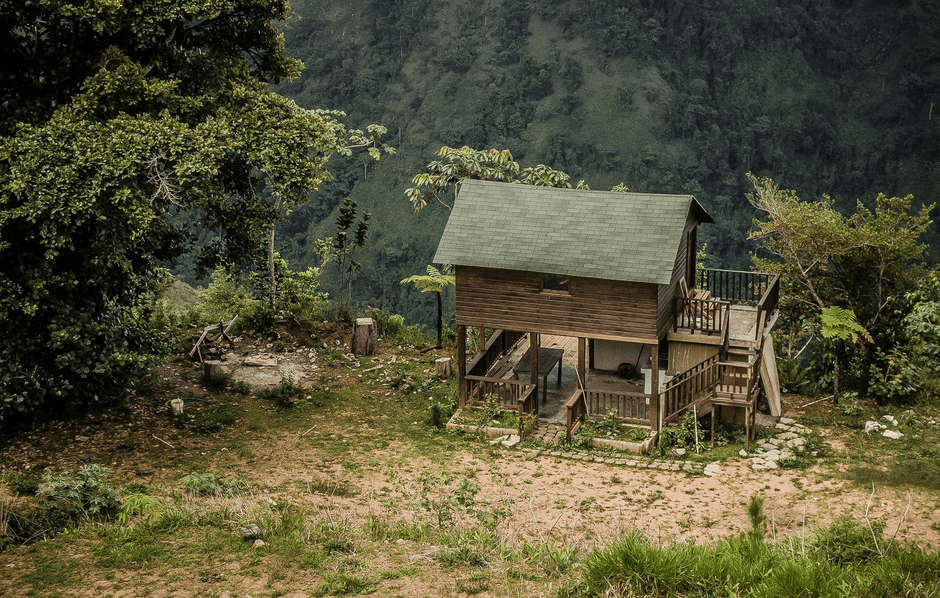
Hawaii has always been a place where people come to reinvent their lives, chase freedom, and carve out a piece of paradise on their own terms. But with the median home price on Oahu hovering near seven figures and even Big Island permitted homes commanding $500,000 or more, that dream feels increasingly out of reach. Enter the world of unpermitted homes in Hawaii, a shadow market that promises affordability and autonomy but comes wrapped in a tangle of legal and financial risk. This is not a scare piece, nor is it a cheerleader for breaking the law. It is a practical, honest guide for anyone considering buying an unpermitted home in Hawaii, covering the lifestyle appeal, the legal landmines, and the concrete steps to protect your investment.
Table of Contents
- What Exactly Is an “Unpermitted” Home in Hawaii? (And Why It’s Different from “Non-Conforming”)
- The Allure of Unpermitted Living: Freedom, Affordability, and the Off-Grid Dream
- The Hard Truth: 5 Major Risks of Buying an Unpermitted Home in Hawaii
- Where Are Unpermitted Homes Most Common? (The Puna Hotspot)
- Can You Legalize an Unpermitted Home? The “After-the-Fact” Permit Process
- How to Buy an Unpermitted Home in Hawaii (A Step-by-Step Guide for 2026)
- What Happens If You Get Caught? (Real Consequences)
- Frequently Asked Questions About Unpermitted Homes in Hawaii
- Is an Unpermitted Home Right for You? The Bottom Line
What Exactly Is an “Unpermitted” Home in Hawaii? (And Why It’s Different from “Non-Conforming”)
Before you start scrolling through Zillow listings in Pahoa, you need to understand exactly what you are looking at. An “unpermitted” structure is one that was built without any county approval whatsoever. No building permit was pulled, no inspections were conducted, and no certificate of occupancy was ever issued. This is fundamentally different from a “non-conforming” structure, which was built legally under the codes that existed at the time but now violates current zoning or building standards. A classic example of non-conforming would be a 1970s home with setbacks that no longer meet today’s requirements. That home is legal. The unpermitted cabin on ag land down the road is not.

In Hawaii, unpermitted structures take many forms: shipping containers converted into studios, tiny homes dropped onto agricultural parcels, owner-built cabins tucked into the rainforest, and additions like lanais or ohana units tacked onto existing homes without ever seeing a county inspector. The reasons people build this way are not mysterious. Construction costs in Hawaii are punishingly high, and until very recently, the permitting process on Oahu was so broken that applicants waited years for plan reviews. On the Big Island, a strong cultural current of self-sufficiency and a historical tolerance for off-grid living made unpermitted building feel like a reasonable choice. When you can own land and a roof over your head for $68,000 while the median permitted home exceeds $800,000, the bureaucratic overhead starts to feel optional.
The Allure of Unpermitted Living: Freedom, Affordability, and the Off-Grid Dream
Walk through certain neighborhoods in Puna and you will find people who are not apologizing for their unpermitted homes. They are grateful. The “Unpermitted and Grateful” mindset, as it has been called on forums like Punaweb, represents a genuine counter-cultural stance: a rejection of building departments, mortgage banks, and insurance companies that, in their view, have made conventional housing impossible for working-class Hawaiians. These are not people who got caught. These are people who opted out.
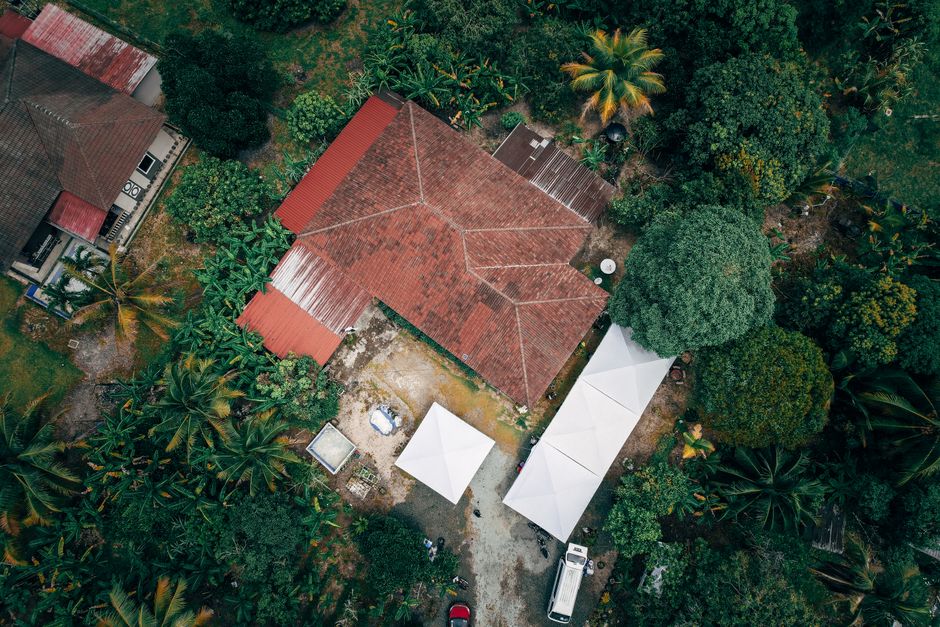
The price reality makes the appeal hard to ignore. Listings in the Pahoa and Mountain View area range from $68,000 for a 384-square-foot studio to around $450,000 for a two-bedroom, two-bath home with 917 square feet. Land-only listings in the same region start around $140,000 for three acres. Compare that to the median single-family home price on the Big Island, which sits well above $400,000 even in 2026, and the math speaks for itself. For cash buyers, the advantages multiply. No bank appraisal means no lender-imposed repair requirements. No waiting for permits means you can close and move in within weeks. And many buyers view the structure as a bonus anyway. The real asset is the one to three acres of land in a lava zone where permitted building is so expensive that it borders on irrational. If the cabin burns down or gets red-tagged, you still own a piece of Hawaii.
The Hard Truth: 5 Major Risks of Buying an Unpermitted Home in Hawaii
The dream has teeth. Before you wire your savings to a seller in Nanawale, you need to stare directly at the five risks that can turn your affordable paradise into a financial disaster.
1. You Probably Can’t Get a Mortgage or Traditional Insurance
Let’s be blunt: conventional financing does not exist for unpermitted homes in Hawaii. FHA loans, VA loans, and standard conforming mortgages all require a certificate of occupancy or its equivalent. Without a permit history, the structure does not legally exist in the eyes of a lender. Your only options are an all-cash purchase or seller financing, where the current owner acts as the bank and you make payments directly to them. Even then, seller-financed deals often come with higher interest rates and balloon payments that can blow up if you cannot refinance later, which you almost certainly cannot.
Insurance is equally unforgiving. Major carriers like State Farm and Allstate will either deny coverage outright or refuse to pay claims on unpermitted structures. The lava zone risk in Puna compounds this problem dramatically. Even permitted homes in Lava Zones 1 and 2 struggle to find affordable policies. An unpermitted home in the same area is essentially uninsurable for structural damage. If a lava flow takes your house, you have no FEMA reimbursement pathway and no insurance check. You lose everything except the land.
2. The County Can Fine You $1,000 Per Day (and Order Demolition)
Hawaii County’s enforcement powers are not theoretical. In Nanawale, fines for unpermitted structures can reach $1,000 per day, and the county has the authority to order demolition at the owner’s expense. The enforcement process is complaint-driven, which means your fate often rests in the hands of your neighbors. In June 2022, someone filed approximately 150 building code complaints against active real estate listings in a single day, using aliases to flood the system. That was as many complaints as the Building Department typically receives in an entire year. The message was clear: enforcement can be weaponized, and if you have a dispute with a neighbor, your unpermitted home becomes the easiest target imaginable.
There is no statute of limitations on building code violations in Hawaii. Unlike some states where unpermitted work becomes immune from enforcement after a set number of years, Hawaii County can pursue a violation indefinitely. A cabin built without permits in 2005 is just as vulnerable in 2026 as the day the last nail was driven.
3. Resale Will Be a Nightmare
When you buy an unpermitted home, you are joining a very small club of willing buyers. When you try to sell, you will discover just how small that club really is. Your buyer pool is limited to cash purchasers who accept the same risks you did, and they will expect a steep discount for doing so. Expect to sell at 20 to 40 percent below what a comparable permitted home would fetch. Sellers are legally required to disclose unpermitted work. If they fail to do so, they face liability down the road. As a buyer, you inherit the problem the moment you sign. When you become the seller, you pass that problem along, at a price.
4. Utility Hookups Are Often Impossible
Living off-grid sounds romantic until you need to run a refrigerator or take a hot shower. Hawaiian Electric may refuse to connect or upgrade electrical service to an unpermitted structure. Without a permit, you cannot prove the wiring meets code, and the utility will not assume the liability. Water and septic present even thornier problems. An illegal catchment system or an unpermitted cesspool can trigger Department of Health fines that dwarf the building code penalties. Bringing these systems into compliance often means installing a permitted septic system at a cost that can exceed the value of the structure itself.
5. Lava Zone Compounding Risk
Puna sits on the flanks of Kilauea, one of the most active volcanoes on Earth. Much of the district falls within Lava Zones 1 and 2, the highest-risk classifications. Even permitted homes in these zones face brutal insurance markets and mortgage hurdles. Unpermitted homes amplify every one of those problems. If an eruption threatens your neighborhood, you have no structural insurance, no FEMA assistance for the building, and no bank advocating on your behalf. Your evacuation plan amounts to grabbing what you can carry and walking away from everything you built.
Where Are Unpermitted Homes Most Common? (The Puna Hotspot)
If you are hunting for unpermitted homes in Hawaii, you will spend most of your time in the Puna district on the southeast side of the Big Island, south of Hilo. The communities of Pahoa, Mountain View, Volcano, Nanawale, and Hawaiian Beaches are the epicenter of this market. The reasons are straightforward: cheap agricultural land, high lava risk that suppresses land values, historically lax enforcement, and a deeply rooted off-grid culture that normalizes unpermitted living. Puna is where the “Unpermitted and Grateful” ethos took root, and it remains the place where you will find the highest concentration of listings.
Other rural areas, including parts of Kauai around Koloa and Hanapepe and pockets of Molokai, have their own unpermitted clusters, but nothing approaches the scale of Puna. On Oahu, the dynamic is different. Unpermitted work there usually takes the form of additions, ohana units, or enclosed carports attached to otherwise permitted homes. Standalone unpermitted structures are rare on Oahu simply because land is too expensive to risk losing.
Can You Legalize an Unpermitted Home? The “After-the-Fact” Permit Process
The term “after-the-fact permit” sounds like a bureaucratic oxymoron, but it is a real pathway. It allows you to retroactively legalize a structure, provided it meets current building codes. The process is neither cheap nor guaranteed, but for some buyers, it represents the bridge between an unpermitted bargain and a fully legal asset.
The first step is hiring a licensed architect or structural engineer who understands Hawaii County’s building code. They must inspect the existing structure and produce as-built plans that document every dimension, every connection, and every system. You then submit those plans to the Hawaii County Building Division along with a plan review fee. The county will treat your submission like a new permit application, which means they will scrutinize the foundation, framing, electrical, plumbing, and roofing against current standards. If any work is buried inside walls or under concrete, you may need to open it up for inspection.
Success rates vary. Simple structures like single-story sheds or tiny homes on proper foundations have a reasonable chance. Complex homes with hidden electrical issues, unpermitted plumbing, or structural deficiencies often fail or require such expensive remediation that demolition becomes the cheaper option. The timeline runs anywhere from three to twelve months depending on county backlog. Oahu’s Department of Planning and Permitting has improved dramatically, with residential code review times dropping from several months to several days as of late 2024, but the Big Island still lags. Budget between $5,000 and $20,000 or more for plans, fees, and required upgrades. If that number makes you flinch, an unpermitted home may not be your path.
How to Buy an Unpermitted Home in Hawaii (A Step-by-Step Guide for 2026)
If you have weighed the risks and decided to proceed, follow these steps to minimize your exposure.
Step 1: Verify the Structure’s Status
Do not take the seller’s word for anything. Search the Hawaii County Real Property Tax Office and the Building Division’s online portal for any permit history associated with the parcel. If the structure does not appear on the tax assessment, it is almost certainly unpermitted. Request a written seller disclosure that explicitly lists all unpermitted work. If the seller hesitates or refuses, walk away. That hesitation is your warning.
Step 2: Get a Specialist Inspection
A standard home inspector is not enough. Hire an architect or a general contractor with specific experience in Hawaii County’s code and after-the-fact permitting. They can estimate the real cost of legalization and flag the deal-breakers: a bad foundation, roof framing that cannot meet wind-load requirements, an electrical panel that needs a full replacement, or a septic situation that will attract the Department of Health.
Step 3: Structure Your Purchase as a Cash Deal
No bank will finance an unpermitted home. If you cannot pay all cash, explore private money lenders or negotiate seller financing with terms you can actually meet. Be wary of balloon payments that come due before you have a chance to legalize the structure or build equity. Confirm with your title company that they will insure the land itself, even if they exclude the structure. Some title companies will not touch these transactions at all, so find one that understands the Puna market.
Step 4: Negotiate a Remediation Escrow
This is the smartest move a buyer can make. Ask the seller to place $10,000 to $30,000 in escrow to cover after-the-fact permit costs. If the county never enforces and you never pursue legalization, the money returns to the seller after an agreed period, typically three to five years. If enforcement does happen, the funds are available to pay for plans, fees, and upgrades. If the seller balks, negotiate a purchase price reduction equal to your estimated legalization costs.
Step 5: Buy Liability Insurance (If Possible)
You cannot insure the structure itself, but you can protect yourself from lawsuits. Some surplus lines carriers, including certain Lloyd’s of London syndicates, offer liability-only policies for properties with unpermitted structures. This will not pay you a dime if the cabin burns down, but it will cover you if a guest is injured on your property. It is a thin shield, but better than none.
What Happens If You Get Caught? (Real Consequences)
The process starts when someone files a complaint online with Hawaii County. The Building Division is required to investigate, and they will send an inspector to your property. If the inspector confirms an unpermitted structure, you will receive a Notice of Violation with a response window of 30 to 60 days. At that point, you have three options: apply for an after-the-fact permit, remove the structure at your own expense, or ignore the notice and watch the fines accumulate.
The worst-case scenario is a court-ordered demolition. The county secures a legal judgment, hires a contractor to tear down the structure, and sends you the bill along with accumulated fines. The 2022 mass complaint event demonstrated that this process can be triggered not by a county sweep but by a single motivated neighbor with a grudge. If you have an unpermitted home, every dispute over property lines, noise, or dogs becomes a potential existential threat to your housing.
Frequently Asked Questions About Unpermitted Homes in Hawaii
Can I get a loan to buy an unpermitted home in Hawaii?
No. Conventional, FHA, and VA loans all require a certificate of occupancy or equivalent proof that the structure was built with permits. Only cash purchases or seller financing are viable.
Is there a statute of limitations on unpermitted structures in Hawaii?
No. Hawaii County can enforce building code violations indefinitely. A structure built without permits decades ago is just as vulnerable to enforcement today as one built last year.
Can I insure an unpermitted home in Hawaii?
Standard homeowners insurance will not cover the structure. Some specialty insurers offer liability-only policies that protect you if someone is injured on the property, but you cannot insure the building itself against fire, wind, or lava damage.
What happens if I buy an unpermitted home and the previous owner built it?
You inherit the liability completely. The county will fine you, not the previous owner, for continuing to occupy or maintain an unpermitted structure. The violation runs with the land, not the person who built it.
Are unpermitted homes in Hawaii legal to live in?
They are not illegal to occupy until the county issues a violation notice. However, they were illegal to build, and the risk of enforcement is always present. You are living in a structure that the county can order demolished at any time.
Is an Unpermitted Home Right for You? The Bottom Line
An unpermitted home in Hawaii works for a specific type of buyer: someone with cash, a clear understanding of the risks, and a long time horizon. Off-grid enthusiasts, investors willing to pursue after-the-fact permits, and people who value land ownership above structural security can find real opportunity here. This path is not for anyone who needs a mortgage, wants traditional insurance, or plans to sell within five years. The single best piece of advice is to treat an unpermitted home as a land purchase with a bonus structure. If the county demolished that structure tomorrow, would you still be happy owning the land at the price you paid? If the answer is yes, proceed with open eyes. If the answer is no, keep looking. Paradise is still out there, but it rewards the patient and the prepared.
