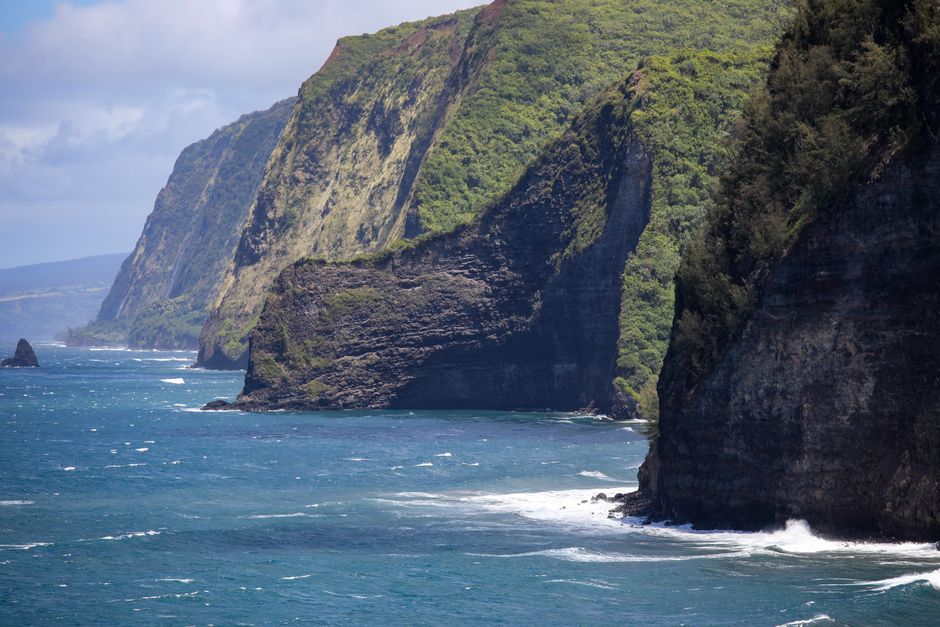
If you're researching visiting Waipio Valley, you've likely encountered confusing and contradictory information online. Some sources claim the valley is closed. Others mention tours you can book. A few outdated blog posts still describe driving down yourself. The reality in 2026 is straightforward but nuanced: Waipio Valley is not fully closed, but independent access to the valley floor ended in early 2022 and shows no sign of returning. What remains are two legal, accessible ways to experience one of Hawaii's most breathtaking landscapes. You can visit the free rim lookout, which requires no reservation and delivers a sweeping view of the valley in seconds. Or you can book the only authorized shuttle tour, operated by local families who call the valley home, and ride down the steepest public road in the United States to walk the black sand beach and see the taro fields up close. By the end of this guide, you'll know exactly how to experience Waipio Valley legally, safely, and respectfully in 2026.
Table of Contents
- Why Waipio Valley Access Changed in 2022 (and What It Means for 2026)
- The Free Rim Lookout: Your No-Cost Option
- The Waipio Valley Shuttle: The Only Legal Way to the Valley Floor
- Why You Can't Just Walk or Drive Down (and What Happened to Other Tours)
- Alternative Ways to Experience Waipio Valley
- Practical Planning Guide for Your Visit
- The Cultural and Historical Significance of Waipio Valley
- Frequently Asked Questions About Visiting Waipio Valley
- Final Thoughts: Is Visiting Waipio Valley Worth It in 2026?
Why Waipio Valley Access Changed in 2022 (and What It Means for 2026)
The access restrictions that define visiting Waipio Valley today trace back to February 2022, when Hawaii County issued an emergency rule closing Waipio Valley Road to all non-residents. This was not a casual decision. A geotechnical assessment commissioned by the county found active rockfall, slope instability, and ongoing erosion along the entire route. The road, which drops roughly 1,200 feet from the rim to the valley floor, carries a 25 percent grade, making it one of the steepest public roads in the United States. It has no guardrails, narrow lanes, and a surface that degrades under heavy rainfall, which the Hamakua Coast receives in abundance.
The emergency rule is not permanent in the legislative sense, but it has been renewed roughly every 60 days since 2022. As of mid-2026, the 24th version of the rule runs through September 2, 2026, and the underlying traffic emergency zone declaration remains valid until February 25, 2027. Anyone hoping for a sudden reopening should understand that the regulatory framework is designed for continuity, not expiration. The county has shown no inclination to lift restrictions without major infrastructure changes.
Three groups are exempt from the closure. Hawaii County residents with proper identification can descend in qualifying vehicles. Permitted, licensed, and insured tour operators may apply for access. Native Hawaiians exercising traditional rights, including cultural and agricultural practices, are also exempt. Everyone else, including every rental car driver on the island, is prohibited from driving down. The vehicle requirements are strict and worth understanding even if you never plan to drive: low-range four-wheel drive only, with all-wheel drive explicitly disqualified, a gross vehicle weight rating no higher than 10,000 pounds, four-wheel drive engaged for the entire descent, and all passengers belted inside enclosed compartments. Pedestrians, bicyclists, ATVs, and uncovered vehicles are banned outright. Walking down is not a loophole. It is prohibited, and the county enforces the rule.
The Free Rim Lookout: Your No-Cost Option
For many visitors, the Waipio Valley Lookout provides exactly what they came for: a stunning, unobstructed view of one of Hawaii's most iconic landscapes. The lookout sits at the end of the paved road in Kukuihaele, a small community on the Hamakua Coast. From the parking area, it is a ten-second walk to the railing. No permit is required. No ticket is needed. The lookout is open to everyone, every day, at no cost.
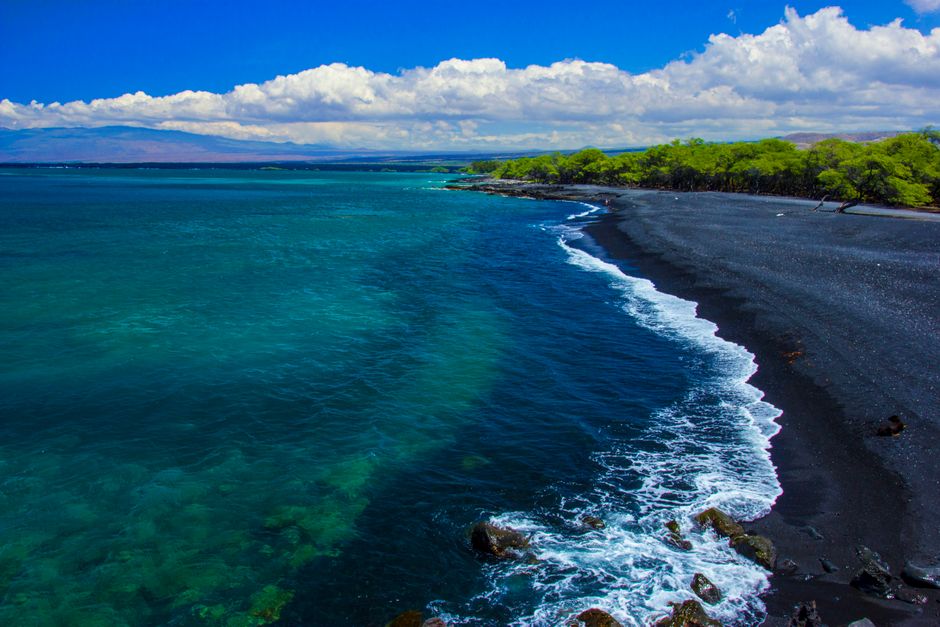
The view rewards the effort of getting there. Below, the valley floor spreads out in a patchwork of green taro fields, bordered by the dark curve of the black sand beach where the valley meets the ocean. On clear days, the coastline stretches north along the Hamakua Coast, and you can watch the surf break against the shore. The scale is hard to capture in photographs. The valley walls rise steeply on both sides, and the flat floor between them feels improbably lush, a world apart from the pastures and small towns above.

What you cannot see from the rim is Hiilawe Falls, often cited as the tallest waterfall in the state of Hawaii. The falls are tucked deep into the valley's interior and are only visible from the valley floor or from the ocean. If waterfall viewing is a priority, the lookout alone will not satisfy. But for a sense of the valley's grandeur, its isolation, and its cultural weight, the lookout delivers. Tripadvisor rates it 4.6 out of 5, based on roughly 955 reviews, and ranks it second of 19 things to do in Honokaa.
Practical logistics matter here. The parking lot is small and fills by mid-morning on weekends. Arrive before 9:00 AM on a Saturday, or plan a weekday visit, to avoid circling for a spot. Cell signal is intermittent at the rim, so download offline maps before you leave the main highway. There are restrooms at the lookout, which is relevant because no facilities exist on the valley floor.
The Waipio Valley Shuttle: The Only Legal Way to the Valley Floor
Since February 2022, exactly one tour operator has held the permits and insurance required to transport visitors to the valley floor. The Waipio Valley Shuttle is the only authorized shuttle tour, and it is the sole legal way for non-residents to descend below the rim. If you want to stand on the black sand beach, walk among the taro fields, or see Hiilawe Falls from the valley, this is your only option.
The shuttle costs $67 per adult and $36.50 per child. Duration varies depending on conditions, river levels, and the number of stops, but most tours run between 1.5 and 2 hours. Some guests report experiences closer to 3 hours when conditions allow extended time on the valley floor. The ride itself is part of the draw. You climb into a rugged four-wheel-drive vehicle built for the road's demands, and your driver, often a valley resident, navigates the 25 percent grade, the switchbacks, and the river crossings with the ease of someone who has done it thousands of times.
The experience includes stops at the black sand beach, where you can walk the shore and feel the wild isolation of a coastline inaccessible to most visitors. You will see the taro farms up close, and with luck, the wild horses that roam the valley. Guides share stories about the valley's history, its role as a political and spiritual center, and the ongoing tradition of kalo farming that sustains the families who still live there.
This last point matters. The shuttle is owned and operated by local families who live and farm in Waipio Valley. Your ticket directly supports the community that calls this place home. Booking in advance is essential, especially on weekends and during peak travel seasons. The shuttle runs rain or shine but may pause during severe weather if road conditions become unsafe.
What to Expect on the Shuttle Ride
The descent itself is an experience worth the price of admission. The road drops fast, and the angle feels steeper from inside the vehicle than it looks from the rim. As you descend, the climate shifts noticeably. The air grows warmer and more humid. The light softens. The sound of the wind gives way to the rush of streams and the distant roar of the surf.
River crossings are routine on this route, and the shuttle is built to handle them. Keep cameras and phones protected. Your guide will share context that transforms the landscape: the valley's nickname, "Valley of the Kings," its history as one of the first inhabited places on the Big Island, and the centuries-long tradition of kalo cultivation that shaped the valley floor into the geometric patchwork you see today.
Stops typically include the black sand beach, conditions permitting, and viewpoints of Hiilawe Falls. The return climb is its own adventure, but the shuttle's low-range four-wheel drive and experienced drivers handle it safely. By the time you reach the rim, you will understand why independent driving was banned.
Why You Can’t Just Walk or Drive Down (and What Happened to Other Tours)
The prohibition on walking into Waipio Valley surprises many visitors. It seems counterintuitive that a road closed to vehicles would also be closed to pedestrians. The county's reasoning is straightforward: the same rockfall and slope instability that make driving dangerous also threaten anyone on foot. There is no pedestrian lane, no shoulder to speak of, and no safe place to step aside if a vehicle or rockslide approaches. The ban is total.
Vehicle restrictions are equally firm. All-wheel drive does not qualify. Only low-range four-wheel drive, with a gross vehicle weight rating under 10,000 pounds, is permitted for exempt drivers. All passengers must be belted inside enclosed compartments, and four-wheel drive must be engaged for the entire descent. The "rental Jeep loophole" does not exist. Even if you rent a vehicle that technically meets the mechanical requirements, you are not a Hawaii County resident, and you cannot legally descend.
The closure also ended other ways of experiencing the valley floor. Mule-drawn wagon tours, once a popular option, have not operated since February 2022. Horseback tours into the valley ceased at the same time. Some horseback operators have relocated to ranches above the valley or to other regions of the Big Island, but valley floor access on horseback is no longer available. Camping permits for the valley remain suspended, with no indication of when or if they will return.
Alternative Ways to Experience Waipio Valley
If the shuttle is booked solid or you want a different perspective, several alternatives let you experience the valley from angles the lookout cannot provide.
Helicopter tours offer the most dramatic alternative. Operators like the Kohala Waterfalls and Valleys Helicopter Tour, priced around $499, fly directly over the valley, giving you a clear view of Hiilawe Falls, the valley's full scale, and the coastline that isolates it. These tours depart from nearby heliports and provide a perspective that even the shuttle cannot match. The valley's remoteness becomes fully apparent from the air.
Boat-based viewing is limited but possible. Some ocean tours pass along the Hamakua Coast and offer views of the valley's sea cliffs and the black sand beach from the water. Do not expect to land. Surf conditions at the beach make boat landings impractical and dangerous, and no tour operator currently offers beach access from the ocean.
Above the valley, legal trails along the rim and in the surrounding area provide hiking opportunities with comparable terrain and, in some spots, partial valley views. These are not substitutes for hiking into the valley itself, which remains prohibited, but they offer a way to stretch your legs and experience the Hamakua Coast's lush landscape. Some horseback operators now run rides on ranch land above the valley, offering valley views without descending the restricted road.
The drive along the Hamakua Coast is itself a highlight. Multiple pullouts and viewpoints along the highway offer vistas of the coastline and the deep green valleys that define this side of the Big Island. Waipio is the largest and southernmost of seven valleys along this coast, and the drive provides context for its place in the landscape.
Practical Planning Guide for Your Visit
Getting to Waipio Valley requires a car. No public transportation serves the area. From Kona, expect a drive of roughly 1.5 to 2 hours. From Hilo, plan for 1 to 1.5 hours. From Waikoloa, it is about 1.5 hours. The access road to the lookout is fully paved, and any standard vehicle can handle it. You do not need four-wheel drive to reach the rim.
The best time to visit is April through October, when drier conditions prevail. Mornings are typically clearer, with clouds often building by early afternoon. Check weather forecasts before you go. Rain can roll in suddenly on the Hamakua Coast, and low clouds can obscure the valley view entirely. If you have booked the shuttle, confirm with the operator about conditions, but expect the tour to run unless weather is severe.
What you bring matters. Water is essential. Sunscreen and a hat protect you at the exposed rim and on the valley floor. Light layers help with the temperature shift between the rim and the valley, where it is consistently warmer and more humid. Closed-toe shoes are recommended for the shuttle, especially if you plan to walk the beach or explore near the river crossings. A waterproof phone case or dry bag is a smart addition given the river crossings and the possibility of sudden rain.
Facilities are limited. Restrooms exist at the rim lookout but not on the valley floor. Use them before you descend. Parking at the lookout is free but scarce. On weekends, arrive before 9:00 AM to secure a spot. No overflow parking is available nearby, and the narrow road offers no legal roadside parking.
Seasonal and Weather Considerations
The Hamakua Coast is one of the wettest regions in Hawaii. Sudden showers occur year-round, but heavier, more persistent rain falls from November through March. If you are visiting during those months, plan for wet conditions and check the forecast frequently. The valley floor can become muddy, and the shuttle may adjust its route or stops accordingly.
Surf conditions at the black sand beach deserve respect. The shore break can be dangerous, and swimming is not recommended even when conditions appear calm. During high surf, the shuttle may skip the beach stop entirely. This is a safety decision, not an inconvenience, and it reflects the valley's wild, unmanaged coastline.
The shuttle operates rain or shine but will pause during severe weather if the road becomes unsafe. This is rare but possible, especially during winter storms. If your tour is canceled for safety reasons, the operator will work with you on rescheduling or refunds.
The Cultural and Historical Significance of Waipio Valley
Waipio Valley is not a museum. It is a living cultural landscape, and understanding its history changes how you experience it.
The valley's nickname, "Valley of the Kings," reflects its role as a political and spiritual center. It was one of the first places settled on the Big Island, and at its height, it was home to over 10,000 native Hawaiians. The valley supported a dense population through sophisticated agricultural systems, particularly the cultivation of kalo, or taro, in flooded fields that still pattern the valley floor today. That tradition continues. A handful of families still live and farm in Waipio, growing kalo in the same fields their ancestors worked for centuries.
The ethical dimension of visiting Waipio Valley is real and worth sitting with. The community has mixed feelings about tourism. Some residents welcome visitors who arrive respectfully and support the local economy through the shuttle. Others feel that the valley's sacred nature is incompatible with tour groups and cameras. The closure of the road to independent visitors has, in some ways, eased the pressure, but the tension remains. Visiting is a privilege, not a right. Respectful behavior, following the rules, and supporting the local operators who call the valley home are the minimum expectations.
A lighter note: the final scene of the 1995 film Waterworld, the "Dry Land" sequence, was shot in Waipio Valley. It is a fun piece of trivia, and you may recognize the valley's distinctive shape on screen. But the valley's real significance runs far deeper than its brief Hollywood appearance.
Frequently Asked Questions About Visiting Waipio Valley
Can anyone go to Waipio Valley?
The lookout is open to everyone, every day, at no cost. The valley floor is restricted to Hawaii County residents, permitted tour operators, Native Hawaiians exercising traditional rights, and guests of the authorized shuttle tour.
Why is Waipio Valley temporarily closed?
The February 2022 county emergency rule was enacted after a geotechnical assessment found active rockfall and slope instability along Waipio Valley Road. The rule has been renewed roughly every 60 days since and remains in effect through at least September 2026.
Can you drive down into Waipio Valley?
Only residents with qualifying vehicles can drive down. Visitors cannot self-drive, even with four-wheel-drive rentals. The vehicle requirements are strict, and rental agreements do not override county law.
Is the shuttle worth it?
If you want to experience the valley floor, the shuttle is the only legal way to do so. It directly supports local families who live and farm in the valley, and the guided experience provides cultural and historical context you would miss on your own.
What is the best time of day to visit?
Early morning offers the best parking availability and often the clearest light. Late afternoon provides softer light for photography and fewer crowds, but check shuttle availability if you plan to descend, as tours may not run late in the day.
Final Thoughts: Is Visiting Waipio Valley Worth It in 2026?
Visiting Waipio Valley in 2026 requires more planning than it did a decade ago, but the experience remains extraordinary. The free rim lookout delivers a view that justifies the drive from anywhere on the island. In under a minute from your car, you can stand at the edge of one of Hawaii's most significant cultural and natural landscapes. For many visitors, that is enough.
The shuttle tour offers something deeper: a guided descent into a place that few people will ever see, operated by the families who have lived there for generations. At $67 per adult, it is not the cheapest activity on the Big Island, but it is among the most meaningful. You are not just buying access. You are supporting a community that has chosen to share its home on its own terms.
The debate about whether tourism in Waipio Valley constitutes "bad tourism" is worth taking seriously. Visiting with respect, following the rules, and supporting local operators is a defensible choice. Ignoring the restrictions, attempting to sneak down, or treating the valley as a backdrop for social media content is not. The distinction matters.
Access may change in the years ahead. The state's trail advisory council has formally asked the Mayor to include a pedestrian lane in any future reopening plan. That request signals that the current restrictions are not necessarily permanent in their current form, but any change will prioritize safety and community input over visitor convenience. Before your trip, check current conditions and shuttle availability. Book in advance. Arrive early. And when you stand at the rim or ride down into the valley itself, remember that you are a guest in a place that has been home to Hawaiian families for centuries.
