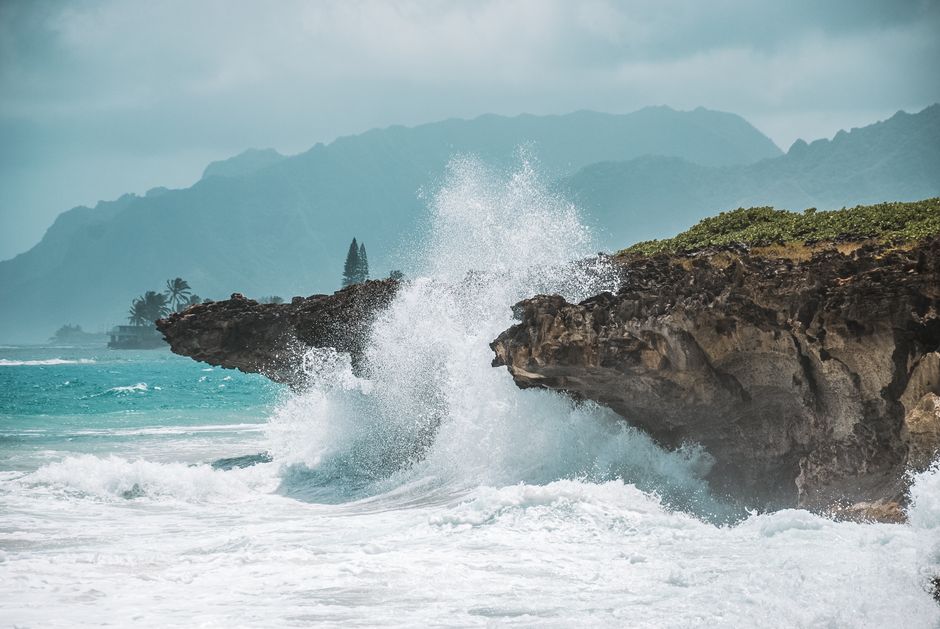
The North Shore of Oahu isn’t just another stop on your Hawaiian vacation. It’s the soul of the island, a 35-mile stretch of coastline where the pace slows, the waves roar, and the spirit of old Hawaii still feels tangible. If you’ve been searching for the top things to do in oahu north shore, you’ve probably already seen the same recycled lists of beaches and shrimp trucks. This guide is different. We’re going beyond the obvious to give you a complete, practical, and culturally aware plan for 2026, whether you’re chasing winter swells, planning a family outing, or trying to experience the magic on a tight budget. The North Shore operates on two distinct calendars: winter for awe, summer for play. Knowing which season you’re stepping into changes everything, and we’ll walk you through both.
Table of Contents
- Why the North Shore is a Must-Visit in 2026
- Getting to the North Shore: Your 2026 Transportation Guide
- The Iconic Beaches and Surfing (Winter: Nov–Feb)
- Summer Activities (May–Oct): Swimming and Snorkeling
- Beyond the Beach: Land Activities and Hidden Gems
- Where to Eat: The Ultimate North Shore Food Guide
- Unique Experiences and Adventure
- North Shore Itinerary Ideas for 2026
- Essential Safety Tips and Cultural Etiquette
- Frequently Asked Questions (FAQ)
- Plan Your North Shore Adventure in 2026
Why the North Shore is a Must-Visit in 2026
The North Shore spans from Punaluʻu in the east to Kaʻena Point in the far west, a world away from the high-rise hotels and designer shops of Waikiki. Here, the tallest structures are coconut palms, and the loudest sound is the crash of surf against volcanic rock. The vibe is unapologetically laid-back, a place where surfboards outnumber briefcases and shoes are optional. Understanding the North Shore means understanding its two seasons. From November to February, the ocean awakens with massive swells that draw the world’s best surfers. From May to October, those same waters transform into calm, crystal-clear playgrounds perfect for snorkeling and swimming. This guide is built to serve your travel style, whether you’re an adrenaline junkie, a parent with kids in tow, or a solo traveler counting every dollar.

Getting to the North Shore: Your 2026 Transportation Guide
Driving Yourself (The Best Option)
Having your own wheels gives you the freedom to chase the sunset or linger at a beach as long as you like. From Waikiki or Honolulu, you have two main routes. The inland route via the H2 freeway is the fastest, clocking in at roughly 40 to 45 minutes. The coastal route along the Kamehameha Highway is a scenic 1.5-hour journey that hugs the island’s edge, offering pull-offs and ocean views that make the extra time worthwhile. The single most important pro tip: leave Waikiki by 7:00 AM. Traffic on the H1 and H2 can turn a quick drive into a crawl, and popular parking lots like the one at Pipeline fill up fast. An early start means you’ll have the morning light and the best spots to yourself.
TheBus (Budget-Friendly)
If a rental car isn’t in the cards, Oahu’s public bus system is a reliable and incredibly cheap alternative. Route #52 runs from Ala Moana Center directly to Haleiwa Town and continues along the North Shore. A single ride costs about $3.00, making this the most economical way to explore. The trade-off is time and flexibility. The bus runs on a schedule, and you won’t be able to spontaneously pull over when you spot a perfect photo opportunity. This option works best for solo travelers or small groups who plan to stick to the main hubs around Haleiwa and Waimea Bay.
Guided Tours and Shuttles
For a stress-free experience, several companies operate shuttle tours from Waikiki to the North Shore. These typically range from $75 to $100 per person and include stops at major attractions like the Dole Plantation, Turtle Beach, and Haleiwa Town. If you’re traveling with a family or a group of four or more, a private full-day tour can be a smart value. These run around $817 for the entire vehicle and come with a local guide who knows the hidden spots and the best times to visit each location. For first-timers who don’t want to navigate or worry about parking, a guided tour transforms the day into pure relaxation.
The Iconic Beaches and Surfing (Winter: Nov–Feb)
Banzai Pipeline (Ehukai Beach Park)
Pipeline is the undisputed heavyweight champion of surfing. In winter, waves heave over a shallow reef, creating hollow barrels that have made and broken careers. Even if you’ve never touched a surfboard, watching the action from the sand is mesmerizing. The unmarked parking lot sits across from Sunset Elementary School, and you’ll want to arrive by 8:00 AM to claim a spot. A critical safety note: do not swim here in winter. The currents are powerful, the shorebreak is brutal, and the reef is shallow. This is a spectator sport, and the view from the beach is perfect.
Waimea Bay
Waimea Bay is legendary for two reasons. In winter, it’s the site of the Eddie Aikau Big Wave Invitational, a contest that only runs when wave faces exceed 40 feet. Watching 25-foot-plus swells detonate in the bay is a humbling experience. In summer, the bay transforms completely. The ocean flattens to a serene swimming hole, and the famous jump rock becomes a rite of passage for brave visitors. Always check for submerged rocks before leaping, and never jump alone.
Sunset Beach
Sunset Beach stretches for two miles, offering plenty of room to spread out. During winter, the surf here is thick and powerful, attracting pro surfers and photographers alike. Come summer, the reef settles and the snorkeling becomes excellent. As the name suggests, this is the place to be at golden hour. Bring a blanket, sit on the sand, and watch the sky explode in pinks and oranges over the Pacific.
Turtle Beach (Laniakea)
Laniakea Beach, better known as Turtle Beach, is the most reliable spot on the North Shore to see Hawaiian green sea turtles, or honu, basking on the sand. Volunteers often set up ropes to mark a safe viewing perimeter. Federal law requires you to stay at least 10 feet away from the turtles at all times. Do not touch them, do not chase them, and do not block their path to the water. These are protected, sacred animals, and respecting their space is both a legal requirement and a cultural responsibility.
Summer Activities (May–Oct): Swimming and Snorkeling
Shark’s Cove (Pupukea)
Shark’s Cove is the North Shore’s premier snorkeling destination during the summer months. Despite its intimidating name, the cove is a protected, rocky inlet filled with tropical fish, sea urchins, and coral formations. The shallow tide pools on the outer edges are perfect for young children to explore safely. Gear rentals are available at surf shops across the street, so you don’t need to haul snorkel equipment from Waikiki.
Waimea Bay Swimming
When the winter monsters disappear, Waimea Bay becomes the best all-around swimming beach on the North Shore. The water is clear, the sand is soft, and the gentle waves are ideal for body surfing. The cliff jump remains a popular draw, but conditions change. Always check the landing zone for hidden rocks and watch locals jump first to gauge the depth.
Kaʻena Point Trail
Kaʻena Point is the westernmost tip of Oahu, a rugged and raw landscape that feels like the edge of the world. The trail is a 3.5-mile round trip hike along a dirt road and rocky coastline, leading to a protected seabird sanctuary where Laysan albatross nest. There is zero shade, so start early in the morning, bring at least a liter of water per person, and wear sunscreen. The reward is a windswept, crowd-free coastline that few tourists ever see.
Beyond the Beach: Land Activities and Hidden Gems
The ʻEhukai Pillbox Hike
The ʻEhukai Pillbox Trail is a 1.3-mile hike that climbs to a pair of World War II-era bunkers overlooking the coastline. The trail is moderate in difficulty, with some steep sections and exposed roots. The payoff is a panoramic view that stretches from Pipeline to the green peaks of the Koʻolau range. Sunrise hikers will have the trail mostly to themselves, while late afternoon offers golden light for photographers.
Waimea Valley
Waimea Valley spans 1,875 acres of botanical gardens and archaeological sites with more than 700 years of sacred history. A paved, wheelchair-accessible path winds through tropical plants and ancient Hawaiian structures before reaching a 45-foot waterfall. You can swim in the pool beneath the falls, but this is a place of cultural significance. Keep your voice low, do not play loud music, and treat the space with the same reverence you would a cathedral. The admission fee directly supports the valley’s preservation and educational programs.
Haleiwa Town (The Heart of the North Shore)
Haleiwa is the North Shore’s social and commercial hub, a plantation-era town filled with surf shops, art galleries, and restaurants. A smart shopping strategy: park at one end of the main drag, walk one side of the street until you hit the end, cross over, and walk back on the other side. This way you’ll see everything without missing a single storefront. Don’t skip the Haleiwa Surf Museum, a small but fascinating collection of vintage boards and photographs that tells the story of surfing’s evolution on the North Shore.
Hidden Gem: Mokuleia Beach and Camping
Mokuleia Beach sits on the far western edge of the North Shore, well past the crowds of Haleiwa and Waimea. This is a long, windswept stretch of sand where the only company you’re likely to have is the occasional local fisherman or kite surfer. It’s an ideal spot for a quiet picnic or an afternoon of solitude. If you want to stay overnight, camping permits are available through the Hawaii State Parks system, and falling asleep to the sound of the ocean here is an experience no resort can replicate.
Where to Eat: The Ultimate North Shore Food Guide
The Famous Shrimp Trucks
No trip to the North Shore is complete without a stop at a shrimp truck. Giovanni’s Shrimp Truck is the most famous, known for its garlic butter shrimp scampi that leaves your hands messy and your stomach full. Expect a line, especially around lunchtime. Romy’s Shrimp Truck is the locals’ favorite, serving prawns raised in their own ponds and cooked with a spicy garlic sauce that packs real heat. Both are excellent; Giovanni’s wins on fame, Romy’s on flavor.
Shave Ice and Sweets
Matsumoto’s Shave Ice in Haleiwa is a historic institution that has been serving fluffy mounds of ice drenched in tropical syrup since 1951. Order it with a scoop of vanilla ice cream and azuki beans at the bottom for the full local experience. For a different kind of sweet, Waialua Bakery offers fresh malasadas, Portuguese doughnuts rolled in sugar, and acai bowls made with locally sourced fruit.
Casual Dining and Burgers
Kua‘Aina Sandwich Shop is a no-frills spot that grills some of the best burgers on the island, made with locally raised beef and served on a toasted bun. Haleiwa Bowls is the go-to for a lighter breakfast or post-hike refuel, with acai bowls topped with granola, honey, and fresh papaya.
Budget Tip
A full meal at a shrimp truck will run you about $15 to $18 per person, including a side of rice and a drink. Sit-down restaurants on the North Shore typically range from $25 to $40 per person. If you’re watching your wallet, stick to the trucks and the bakeries, and you’ll eat like a king without the sticker shock.
Unique Experiences and Adventure
Cage and Cageless Shark Diving
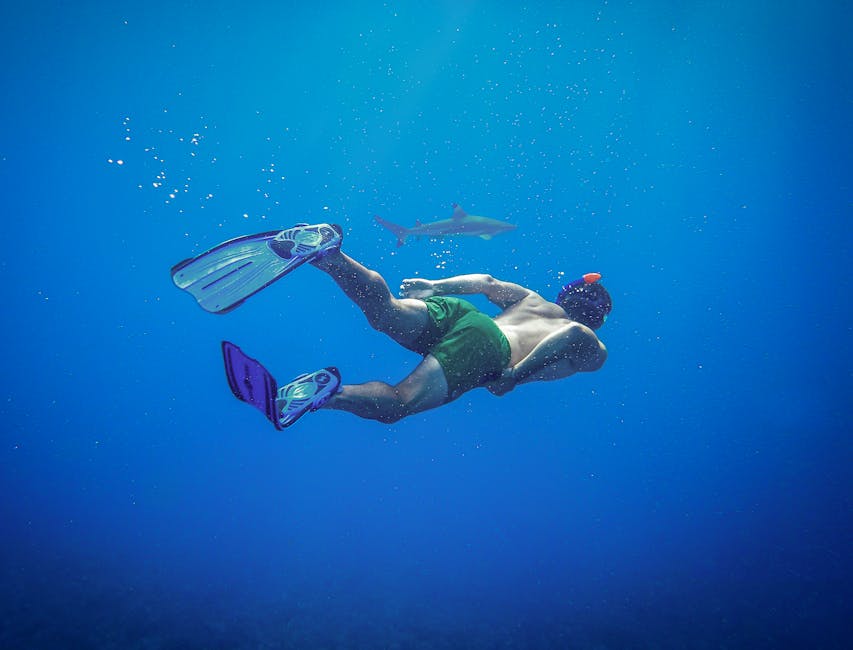
Shark diving tours operate year-round out of Haleiwa Harbor, taking you roughly three miles offshore to waters where Galapagos and sandbar sharks gather. A standard cage tour costs around $150 per person and gives you a face-to-face view from the safety of a floating enclosure. Cageless tours offer a more immersive experience, allowing you to free-dive alongside the sharks with a trained guide. The cageless option yields dramatically better photos and a deeper adrenaline rush. Keep an eye on the surf lineup on your way out: pro surfers like John John Florence and Jamie O’Brien are often spotted at their home breaks.
Horseback Riding at Turtle Bay Resort
Turtle Bay Resort offers guided horseback rides that wind through coastal trails and along the edge of the ocean. This is a gentle, family-friendly adventure that suits beginners and experienced riders alike. The views from the saddle, with the sea stretching to the horizon and the sound of hooves on sand, are unforgettable.
Dole Plantation (On the Way)
The Dole Plantation sits just off the H2 freeway on the drive from Waikiki, making it a convenient and fun pit stop. The Pineapple Express train tour winds through the fields and explains the history of pineapple farming on Oahu. The world’s largest maze is a hit with kids, and the Dole Whip, a soft-serve pineapple treat, is non-negotiable.
North Shore Itinerary Ideas for 2026
The Perfect Day Trip (8:00 AM – 6:00 PM)
Arrive at Pipeline by 8:00 AM to watch the surfers and enjoy the morning light. At 9:30 AM, head to Waialua Bakery for coffee and a malasada. Hike the ʻEhukai Pillbox Trail at 11:00 AM, then drive to Giovanni’s for a 1:00 PM shrimp lunch. Spend 2:30 PM wandering the shops and galleries of Haleiwa Town. At 4:00 PM, stop at Laniakea Beach to look for turtles. End the day at Sunset Beach at 5:30 PM for the main event: a North Shore sunset.
Family-Friendly Day (With Kids)
Start the morning at Waimea Valley, where the paved path is stroller-friendly and the waterfall swim is a hit with children. For lunch, grab burgers at Kua‘Aina followed by shave ice at Matsumoto’s. In the afternoon, head to Shark’s Cove and let the kids explore the shallow tide pools, or visit Turtle Beach to see the honu up close.
Budget-Friendly Day (Under $50/person)
Skip the paid attractions and focus on the free ones. Hike the ʻEhukai Pillbox Trail or Kaʻena Point in the morning. Grab lunch at a shrimp truck for under $18, then treat yourself to a shave ice. Spend the afternoon watching surfers at Pipeline or swimming at Waimea Bay in summer. The best experiences on the North Shore don’t cost a dime.
Essential Safety Tips and Cultural Etiquette
Ocean Safety (Winter)
The North Shore’s winter waves are beautiful and deadly. Never turn your back on the ocean; rogue waves can sweep across dry sand without warning. Swim only at beaches with lifeguards, and even then, only in summer when conditions are calm. Rip currents are common and can pull even strong swimmers out to sea. Check the daily surf report on Surfline or at local lifeguard stations before entering the water.
Turtle and Seal Etiquette
Hawaiian green sea turtles and monk seals are protected under federal and state law. Maintain a minimum distance of 10 feet, or 3 meters, at all times. Do not block their access to the water, and never attempt to feed or touch them. These animals are not props for your Instagram photo; they are living creatures deserving of respect.
Sacred Sites (Waimea Valley, Heiau)
Many places on the North Shore are sacred to Native Hawaiians. Do not remove rocks, plants, or artifacts from archaeological sites. Respect kapu signs, which mark areas that are off-limits. These are not suggestions or quaint traditions; they are the living protocols of a culture that has stewarded this land for centuries.
General Tips
Hawaii law requires the use of reef-safe sunscreen to protect the coral ecosystems. Bring cash, as many food trucks and small shops do not accept credit cards. A little preparation goes a long way toward a smooth, respectful visit.
Frequently Asked Questions (FAQ)
Q: Is the North Shore dangerous?
A: Only in winter, and only if you enter the water at unguarded beaches. Watching from the sand is perfectly safe.
Q: Can you swim on the North Shore in winter?
A: Not safely at the main surf beaches. Save swimming for summer, when the ocean is calm and lifeguards are on duty.
Q: Where can you see turtles on the North Shore?
A: Laniakea Beach, also called Turtle Beach, is the most consistent spot to see honu resting on the sand.
Q: What is the best shrimp truck on the North Shore?
A: Giovanni’s is the most famous and a solid choice. Romy’s is the local favorite for its fresh, spicy prawns.
Q: How far is the North Shore from Waikiki?
A: About 40 to 45 minutes via the inland H2 route, or roughly 1.5 hours if you take the scenic coastal highway.
Plan Your North Shore Adventure in 2026
The North Shore rewards those who come prepared. Bookmark this guide, check the season, and plan your days around the rhythm of the ocean. Winter is for watching in awe; summer is for diving in. Whether you’re hiking to a hidden pillbox, eating garlic shrimp with your hands, or sitting in silence as a turtle shuffles past you on the sand, these moments are what make the North Shore unforgettable. When you capture your own slice of this coastline, share it and tag your photos so others can find the same magic. The North Shore is waiting, and now you’re ready for it.
