Planning offshore fishing trips in Oahu can feel overwhelming with dozens of charters to choose from, price points spanning from under a hundred dollars to well over two thousand, and harbors scattered across the island. This guide cuts through the noise. By the time you finish reading, you will know exactly what offshore fishing trips in Oahu cost, which charter fits your group, when to book for the species you want, and what to expect from the moment you step on the boat. Whether you are a seasoned angler chasing a grander blue marlin or a first-timer hoping to reel in dinner, Oahu delivers a fishing experience that rivals any destination in the Pacific.
Table of Contents
- Why Oahu Is Hawaii's Premier Offshore Fishing Destination
- Understanding Your Charter Options: Private, Shared, and Specialized Trips
- Oahu Offshore Fishing Prices: What You Will Actually Pay in 2026
- Top-Rated Charter Operators on Oahu
- Best Harbors and Departure Points on Oahu
- What You Will Catch: Oahu's Target Species by Season
- Boat Sizes, Amenities, and What to Look For
- First-Timer's Guide: What to Expect on Your Oahu Offshore Trip
- Weather, Sea Conditions, and Booking Contingencies
- Hawaii Fishing Regulations and Sustainability
- Oahu vs. Other Hawaiian Islands: How to Choose
- Booking Tips and Best Times to Reserve
- Frequently Asked Questions About Offshore Fishing in Oahu
- Final Thoughts: Planning Your Oahu Offshore Fishing Adventure
Why Oahu Is Hawaii’s Premier Offshore Fishing Destination
Oahu holds a structural advantage over every other Hawaiian island when it comes to offshore fishing, and it starts with geography. The island has four working harbors that launch fishing charters daily: Ala Wai, Haleiwa, Kewalo Basin, and Ko Olina. Each one provides access to deep water and offshore structure within minutes of departure. On an island where every hour on the water counts, the ability to reach productive fishing grounds quickly means more lines in the water and less time in transit. Compare that to destinations where boats run for an hour or more before they start fishing, and Oahu's efficiency becomes obvious.
The island sits directly in the path of major Pacific migratory routes for pelagic species. Blue marlin, striped marlin, yellowfin tuna, mahi mahi, and wahoo all move through Oahu's waters in predictable seasonal patterns. This is not accidental. The underwater topography off Oahu's leeward coast drops rapidly into abyssal depths, creating upwellings that concentrate baitfish and attract the predators anglers travel thousands of miles to catch.
Then there are the FADs, or Fish Aggregation Devices. Oahu maintains a network of five strategically placed buoys that act as floating reefs, attracting everything from small baitfish to apex predators. These FADs dramatically improve catch rates compared to open-water trolling. Boom Boom Sportfishing, which operates out of Ko Olina on the west coast, specifically highlights its proximity to these FADs as a competitive advantage. Boats departing from Ko Olina can reach the buoys faster than vessels leaving from south shore harbors, which translates to more productive fishing hours.
Oahu also benefits from a year-round fishing season. While certain species peak during specific months, there is never a true off-season. Yellowfin tuna and skipjack are reliable targets regardless of when you visit. This consistency makes Oahu a safe bet for travelers who cannot plan their entire vacation around a narrow fishing window.
Infrastructure seals the deal. Oahu has more charter operators, more competitive pricing, and better booking platforms than Maui, Kauai, or the Big Island. FishingBooker alone lists 35 charter deals on Oahu, with prices starting at $133 per person. That density of options creates competition that benefits anglers through better rates, more availability, and operators who have to earn their reputations through consistent performance. For anyone weighing which Hawaiian island to choose for an offshore fishing trip, Oahu makes the strongest case on nearly every practical metric.
Understanding Your Charter Options: Private, Shared, and Specialized Trips
Private Charters: Full Control, Premium Experience
Private charters give you the boat, the crew, and the entire day on your terms. Most private vessels on Oahu accommodate up to six anglers, though larger boats like the 74-foot Iwa Kai operated by Ohana Yachts can handle up to twelve. Price benchmarks are straightforward. Boom Boom Sportfishing runs private charters from $1,000 for a four-hour trip to $2,100 for a full twelve-hour day. Grand Slam Hawaii positions itself at a premium tier, with exclusive charters starting at $1,200 for two hours and reaching $2,200 for twelve hours, covering up to six guests.
What you are paying for goes beyond the boat. A private charter means the crew focuses entirely on your group. You can customize start times, which matters if you want to beat the sunrise or avoid afternoon trade winds. Grand Slam offers flexible departures at 5:30 AM, 8:00 AM, and conditionally at 11:00 AM and 12:30 PM. You can also direct the captain to target specific species rather than whatever happens to be biting. If your group wants marlin and nothing else, a private charter makes that possible.
Private trips work best for families who want a controlled environment, corporate groups entertaining clients, or serious anglers who do not want to share rail space with strangers. The per-person cost drops significantly when you fill all six spots, making private charters surprisingly accessible for groups who split the total.

Shared Charters: Budget-Friendly Options
Shared charters open offshore fishing to solo travelers, couples, and anyone watching their budget without sacrificing the deep-water experience. Prices range from $133 to $300 per person depending on duration and operator. Boom Boom Sportfishing offers shared trips at $250 for four hours and $300 for eight hours per angler. These rates include everything a private charter provides: tackle, bait, crew expertise, and access to the same fishing grounds.
The trade-offs are real but manageable. You fish on a fixed schedule with no say over departure time or target species. Deck space gets divided among strangers, which can mean rotating through the fighting chair rather than having it available whenever you want it. For many anglers, especially first-timers, these compromises matter less than the several hundred dollars saved compared to a private booking. Shared charters also create a social atmosphere that some people genuinely enjoy, swapping stories with fellow travelers while waiting for a strike.
Specialized Trips: Bottom Fishing and Shoreline Alternatives
Not every fishing trip on Oahu involves trolling for marlin in deep water. Bottom fishing offers a completely different experience at a fraction of the cost. The Honolulu Bottom Fishing Adventure runs three-hour trips from $87 per adult, targeting snapper, grouper, and other reef species near underwater structure. These trips stay closer to shore, deal with lighter tackle, and produce fish that make excellent table fare. They work especially well for families with young children who might struggle with a full day offshore or anyone prone to seasickness who still wants to fish.
Shoreline fishing provides another accessible entry point. Waikiki Adventures operates a two-hour North Shore shoreline fishing tour at $120 for adults and children, with private tours available at $175. This is fishing stripped to its essentials: rod, reel, bait, and a guide who knows where the fish hold along Oahu's dramatic coastline. No boat, no swell, no seasickness. It is a low-commitment way to experience Hawaiian fishing, and it pairs easily with a day of North Shore sightseeing.
Some operators also offer combination experiences. Boom Boom Sportfishing runs private whale watching excursions from December through April, letting you add a seasonal wildlife encounter to your offshore day. These add-ons make sense for mixed groups where not everyone wants to spend eight hours staring at trolling lines.
Oahu Offshore Fishing Prices: What You Will Actually Pay in 2026
The price of offshore fishing trips in Oahu spans a wider range than most visitors expect. At the low end, bottom fishing trips start at $87 per adult. Shared offshore charters begin around $133 per person and climb to $300 for longer trips. Private charters range from $1,000 to $2,200 depending on duration, vessel, and operator. The industry benchmark often cited for offshore charters is $2,000 to $2,500 for up to six people, but Oahu's competitive market frequently beats that average.
Aggregator platforms like FishingBooker provide useful price discovery. Current listings show 35 charter deals on Oahu. Oahu Pelagic Sportfishing starts at $495 for a private trip, one of the most aggressive price points on the island. At the upper end, Ohana Yachts lists the Iwa Kai at $1,675. Mid-range operators fill the space between: Five Star Sportfishing Hawaii starts at $800, No Whiners Sportfishing at $1,100, and Play N Hooky Sportfishing at $1,299.
What separates a $495 trip from a $1,675 trip? Boat size and amenities account for much of the difference. The Iwa Kai is a 74-foot vessel with premium appointments. Smaller boats in the 35- to 42-foot range cost less to operate and maintain, and those savings pass through to the customer. Crew experience, reputation, and demand also factor in. A captain with two decades on Oahu's waters and hundreds of five-star reviews commands a higher rate than a newer operator building a client base.
Before booking, confirm exactly what the price includes. Most Oahu charters provide tackle, bait, ice, and fishing licenses as part of the package. The operator's permit covers recreational anglers, so you will not need a separate license. What typically falls outside the base price includes gratuity, fish processing, and food and drinks. Gratuity expectations run 15 to 20 percent of the charter cost, which on a $1,500 trip adds $225 to $300. If you plan to keep your catch, ask about processing fees. Some operators will fillet a reasonable amount of fish at no charge; others contract with local processors who charge by the pound. Clarify these details before you hand over a credit card, and you will avoid surprises at the dock.
Top-Rated Charter Operators on Oahu
Oahu Pelagic Sportfishing holds the highest review count on the island with 813 reviews and a 4.8 out of 5 rating on FishingBooker. Their trips start at $495, making them one of the most affordable private charter options while maintaining a reputation for putting anglers on fish consistently. That combination of volume and rating suggests a reliable operation that delivers for a broad range of customers.
Five Star Sportfishing Hawaii matches the 4.8 rating with 524 reviews and starts at $800. The name reflects the customer satisfaction scores, and the review count indicates an established operation with years of consistent performance. Their mid-range pricing positions them as a safe choice for visitors who want proven quality without the premium-tier price tag.
Play N Hooky Sportfishing carries a 4.7 rating across 306 reviews and starts at $1,299. The higher price point reflects a premium positioning, and the strong repeat customer base visible in reviews suggests that anglers who fish with them once tend to come back. For visitors prioritizing experience over cost, Play N Hooky represents a top-tier option.
Boom Boom Sportfishing differentiates through its Ko Olina location on Oahu's west coast. Operating closer to the island's five FADs than any south shore competitor, Boom Boom offers private charters from $1,000 to $2,100 and shared trips from $250 to $300. Captain Ryan Hopper brings 20 years of experience to the helm. The operation also runs outer-island and multi-day trips, a rarity among Oahu charters that opens up fishing grounds beyond the island's immediate waters.
Grand Slam Hawaii carves out a luxury niche. The operator describes its vessel as a "prestigious" platform delivering an "unmatched luxury experience." Private charters run $1,200 to $2,200 for up to six guests, with flexible start times that include early morning, mid-morning, and conditional late-morning departures. Their testimonial page features specific, verifiable catch numbers: 28 mahi mahi landed with 27 kept on one trip, and 11 yellowfin tuna plus a wahoo on another. Those numbers serve as powerful social proof for an operation that charges a premium and needs to justify it.
Best Harbors and Departure Points on Oahu
Kewalo Basin sits closest to Waikiki and serves as the most convenient departure point for visitors staying in Honolulu's primary tourist district. The harbor provides quick access to south shore fishing grounds, and several charter operators run out of its docks. For anyone prioritizing a short Uber ride from their hotel, Kewalo Basin is the obvious choice.
Ala Wai Harbor lies just west of Waikiki and offers similar convenience with a slightly different mix of operators. The sheltered harbor makes for easy boarding even on days when swell complicates things at less protected launch points. Both Kewalo and Ala Wai put you on south shore fishing grounds within minutes, targeting the same pelagic species that cruise Oahu's leeward coast.
Haleiwa Harbor on the North Shore opens up a different fishing ecosystem. The north shore grounds hold fish year-round, and the FAD network extends into these waters. The trade-off is transit time. If you are staying in Waikiki, getting to Haleiwa takes about an hour by car. The drive passes through Oahu's interior and delivers you to a side of the island that feels worlds apart from Honolulu. Combining a morning fishing trip with an afternoon exploring North Shore beaches and food trucks makes the logistics worthwhile for visitors who want to see more of Oahu than just Waikiki.
Ko Olina Harbor on the west coast represents a strategic choice for serious anglers. This newer facility sits closer to Oahu's five FADs than any other harbor. Boom Boom Sportfishing operates here specifically because the reduced run time to the buoys translates to more productive fishing hours. Ko Olina also serves the resort communities of Aulani, Four Seasons, and Marriott's Ko Olina Beach Club, making it the natural choice for guests staying at those properties.
Choosing a harbor comes down to three factors: where you are staying, what you want to catch, and whether you plan to combine fishing with other island activities. South shore harbors maximize convenience. North shore offers a different experience and pairs well with sightseeing. West coast prioritizes fishing efficiency above all else.
What You Will Catch: Oahu’s Target Species by Season
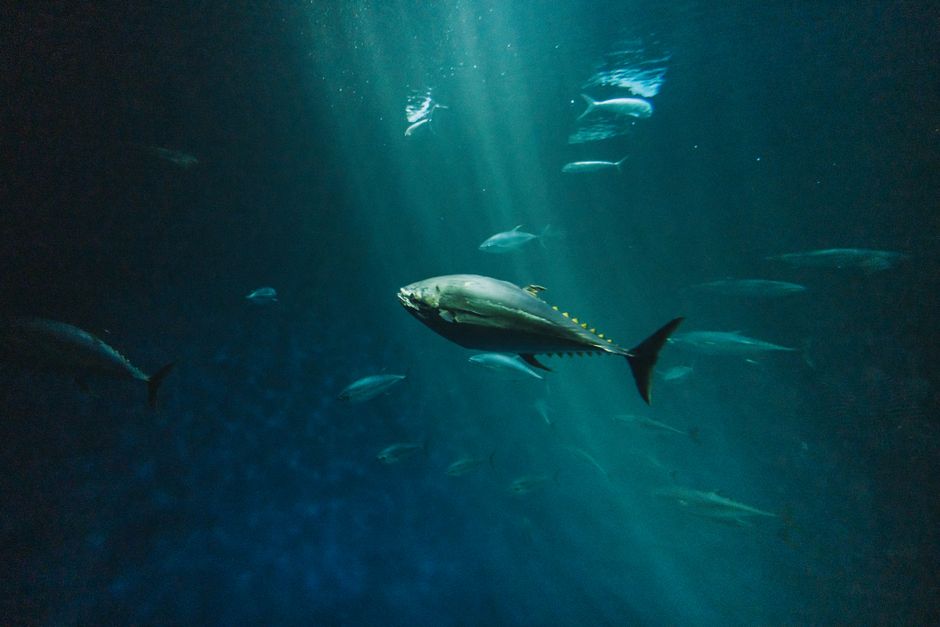
Yellowfin tuna, known locally as ahi, and skipjack tuna are the constants of Oahu's offshore fishery. These fish patrol the island's waters year-round, providing reliable action regardless of when you book. Ahi range from football-sized schoolies to hundred-pound-plus bruisers that test both angler and gear. Skipjack run smaller but show up in numbers, making them ideal for first-timers who want steady action over trophy hunting.
Mahi mahi, or dorado, are most consistent during the summer months from May through September. These brilliantly colored fish grow fast, fight hard, and taste exceptional. A productive mahi mahi bite can fill the fish box in short order, as Grand Slam Hawaii's report of 28 fish in a single trip demonstrates. They congregate around floating debris, current lines, and FADs, which makes Oahu's buoy network especially valuable during mahi season.
Pacific blue marlin peak from May through September, overlapping with the best mahi mahi fishing and creating a sweet spot for anglers who want a shot at both species. Blue marlin are the glamour catch of Hawaiian offshore fishing, with fish exceeding 500 pounds a realistic possibility on any given trip. Striped marlin run more common during winter months from November through March, offering marlin action during a period when blues are less reliable. Black marlin show up occasionally and always generate excitement when they do.
Wahoo, called ono locally, become more active from December through April. These speedsters strike with violence and run with blistering speed, earning their Hawaiian name, which translates to "delicious." Winter also brings humpback whales to Hawaiian waters, adding a wildlife spectacle to offshore trips during the December-to-April window.
Spring and fall transition months deliver solid mixed-bag fishing. The crowds thin out, top-rated charters have better availability, and the fish do not read calendars. You might not hit the absolute peak of any single species, but you will likely catch something, and you will do it with less competition for the best boats and crews.
Bottom fishing operates on its own calendar. Species like snapper and grouper stay close to structure year-round, largely unaffected by the pelagic migrations that drive the offshore trolling fishery. If you want to catch fish regardless of season and bring home excellent eating, bottom fishing delivers.
Boat Sizes, Amenities, and What to Look For
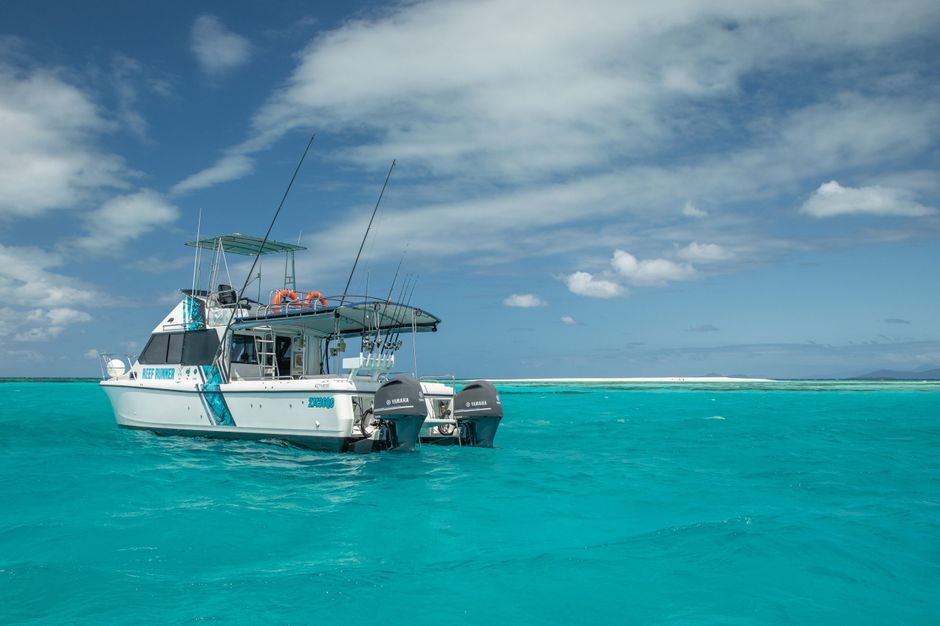
Oahu's charter fleet spans from 35-foot sportfishers to the 74-foot Iwa Kai, and boat size affects everything from comfort to catch rates. Smaller boats in the 35- to 42-foot range offer an intimate, focused experience. They are nimble, responsive, and put you closer to the water. Serious anglers often prefer these vessels because the captain can maneuver quickly on a hooked fish. Capacity typically caps at four to six anglers, and amenities lean functional rather than luxurious.
Mid-size boats in the 47- to 50-foot range strike the best balance for most groups. They provide enough stability to keep less experienced anglers comfortable without sacrificing the maneuverability that matters when a marlin takes the bait. Families and mixed-experience groups do well on these vessels. The added space means a proper cabin, a real restroom, and room to move around during a long day on the water.
Larger vessels exceeding 60 feet prioritize stability and amenities. The 74-foot Iwa Kai, with its 12-person capacity, represents the extreme end of Oahu's charter fleet. These boats handle rough conditions better than smaller craft, making them a smart choice for anyone prone to seasickness or groups that include young children or older adults. The trade-off is a less personal experience and, in some cases, a fishing platform that cannot react as quickly as a smaller boat when a fish changes direction.
Before booking, confirm the specific amenities that matter to you. Fighting chairs matter if you plan to target large marlin. Outriggers expand the trolling spread and increase your odds. Live bait wells allow the crew to deploy baits that often outperform artificial lures. Air-conditioned cabins provide relief from the tropical sun. Restrooms are non-negotiable for many anglers on trips lasting six hours or more. Fish finders and sonar quality vary between operators and directly impact the crew's ability to locate fish. Ask about tackle quality as well. Well-maintained gear from reputable manufacturers reduces the chance of equipment failure at the worst possible moment.
First-Timer’s Guide: What to Expect on Your Oahu Offshore Trip
Before you book, ask three questions. First, what exactly does the price include? Most operators cover tackle, bait, ice, and licenses, but confirm this explicitly. Second, what is the cancellation policy if weather turns bad? Reputable operators offer free cancellation with 24 to 48 hours notice and will reschedule or refund if conditions are unsafe. Third, what happens to the fish you catch? Some operators practice catch-and-release for billfish and let you keep tuna, mahi mahi, and wahoo. Others have different policies. Know before you go.
What you bring matters as much as what you leave behind. Pack reef-safe sunscreen, polarized sunglasses that cut glare and help you spot fish, a hat with a brim, and light layers for wind and spray. Motion sickness medication works best when taken 30 to 60 minutes before departure. Even if you have never been seasick, Oahu's open-water conditions can surprise you. Bring a camera, but secure it. Saltwater and electronics do not mix well.
Leave hard-sided coolers at home. Most charters provide fish storage, and coolers take up deck space the crew needs. Skip glass containers for the same reason. Wear non-slip deck shoes or plan to go barefoot, which is standard on many Hawaiian boats. Heavy boots or street shoes damage decks and provide poor traction when things get wet.
Once aboard, expect a safety briefing that covers life jackets, emergency procedures, and basic boat rules. The crew will set the trolling spread or prepare live bait depending on the target species and conditions. If you are new to offshore fishing, tell the crew. They will explain what is happening, show you how to handle a rod, and coach you through the fight when a fish strikes. No one expects first-timers to know what they are doing, and the best crews take genuine pride in helping beginners catch their first pelagic fish.
When a fish comes aboard, the crew handles gaffing, bleeding, and icing. If you plan to take fish home, ask about processing and shipping options. Some operators can arrange to have your catch processed and shipped to the mainland, though this adds cost and requires coordination. Most visitors keep enough for a few meals during their stay and release the rest.
Weather, Sea Conditions, and Booking Contingencies
Northeast trade winds dominate Oahu's weather from April through October. These winds create choppy conditions on windward shores, which include the north and east coasts. South shore harbors like Kewalo Basin and Ala Wai often offer calmer alternatives during trade wind periods because the island itself blocks the wind. If your trip departs from Haleiwa during a strong trade wind event, expect a bumpier ride than you would experience leaving from a south shore harbor on the same day.
Winter swells arrive from November through March, primarily affecting north and west-facing shores. These swells can make Haleiwa departures uncomfortable or unsafe, while south shore trips generally remain reliable. The same swells that challenge fishing boats create the legendary surf that draws spectators to the North Shore each winter. If you are visiting during these months, booking a south shore charter increases the odds that your trip runs as scheduled.
Rain falls more frequently from November through March, but Hawaiian showers tend to be brief and localized. Rain alone rarely cancels an offshore trip. The crew will watch radar and work around passing cells. You will get wet regardless, from spray if not from rain, so a light waterproof layer makes sense year-round.
Cancellation policies vary by operator, but the industry standard on Oahu favors the customer. Most reputable charters allow free cancellation with 24 to 48 hours notice. Weather-related cancellations are handled differently. If the captain determines conditions are unsafe, you should receive a full refund or the option to reschedule. Some operators offer partial refunds or future credit if a trip gets cut short due to weather that developed after departure. Clarify these policies when you book. A charter that refuses to discuss weather contingencies is a charter you should not book.
Hawaii Fishing Regulations and Sustainability
Hawaii does not require recreational saltwater fishing licenses for anglers on licensed charter boats. The operator's commercial permit covers everyone aboard. This removes a common friction point for visitors who might otherwise need to navigate an unfamiliar state licensing system.
Bag limits and size restrictions do apply to certain species, including tuna, mahi mahi, and ono. Your captain knows the current regulations and will enforce them. Hawaii's Division of Aquatic Resources updates these rules periodically, and reputable operators stay current. If a crew suggests keeping undersized fish or exceeding bag limits, you are on the wrong boat.
Some species receive full protection. Certain sharks and specific reef fish cannot be harvested under any circumstances. Catch-and-release has become standard practice for marlin on many Oahu charters, driven by both regulation and a conservation ethic among captains who want healthy fisheries for future seasons. If keeping a marlin matters to you, discuss this with the operator before booking. Most will accommodate the request within legal boundaries, but expectations need to align before lines go in the water.
Sustainable practices extend beyond regulations. Look for operators who use circle hooks, which reduce deep-hooking and improve survival rates for released fish. Proper release techniques, including keeping fish in the water when possible and using dehooking tools, indicate a crew that takes stewardship seriously. Hawaii's pelagic fisheries operate under both federal and state management, and the long-term health of these resources depends on anglers and operators making responsible choices. Choosing a charter that prioritizes sustainability supports the fishery that makes Oahu offshore fishing possible in the first place.
Oahu vs. Other Hawaiian Islands: How to Choose
Oahu leads on nearly every practical metric for offshore fishing. It has the most charter operators, the most competitive pricing, and the easiest booking logistics. The island's tourism infrastructure means you can book a fishing trip, find accommodations, rent a car, and arrange dining without friction. For visitors who want to add a fishing day to a broader Hawaiian vacation, Oahu removes obstacles that other islands present.
Maui holds a strong reputation for marlin fishing and offers high-quality charter options, but the market is smaller and prices generally run higher. Fewer operators mean less availability during peak seasons, and the best boats book out weeks in advance. Maui makes sense for visitors already planning to stay there who want a premium experience without the crowds of Oahu.
Kauai operates on a smaller scale entirely. Boats like the 26-foot Maori Warrior reflect an island where intimate, uncrowded experiences define the fishing culture. Availability is limited, and you need to book well ahead. Kauai suits anglers who prioritize solitude and scenery over maximizing catch potential or comparing multiple operators.
The Big Island, specifically the Kona coast, is world-renowned for blue marlin fishing. The underwater topography off Kona creates a marlin fishery that rivals any on the planet, with granders caught regularly. This comes at a premium. Kona charters rank among the most expensive in Hawaii, and the experience caters to serious anglers targeting trophy fish rather than families looking for a fun day on the water.
The decision framework is straightforward. Prioritize budget, convenience, and variety of options: choose Oahu. Prioritize trophy blue marlin above all else: choose the Big Island. Prioritize an intimate, uncrowded experience: choose Kauai. Prioritize premium mixed-bag fishing with fewer crowds than Oahu: choose Maui. For most visitors, especially first-timers to Hawaiian offshore fishing, Oahu delivers the best combination of quality, value, and accessibility.
Booking Tips and Best Times to Reserve
Peak season on Oahu runs from June through August and again from December through January. During these windows, top-rated charters book out two to four weeks in advance. If your travel dates fall within these months, reserve early. The best operators with the strongest reviews fill their calendars first, and waiting until the week before your trip leaves you choosing from whatever remains available.
May through September offers the best overall combination of calm seas, marlin action, and mahi mahi availability. December through April adds whale watching to the experience but introduces more weather variability. The shoulder months of April, May, September, and October often represent the sweet spot: good fishing, better availability, and occasional opportunities to negotiate on price, particularly for midweek trips.
Weekends book fastest across all seasons. If your schedule allows, target Tuesday through Thursday departures. You will find more availability and, with some operators, slightly lower rates for weekday charters. The fishing does not change based on the day of the week.
Groups larger than six need to plan around boat capacity. Most private charters cap at six anglers. For parties of seven or more, ask operators about multi-boat options or book a larger vessel like the 74-foot Iwa Kai, which accommodates up to twelve. Multi-boat bookings require advance coordination, so start the conversation early.
Many Oahu charter operators offer gift cards and free cancellation policies. These features provide flexibility if your travel dates are not yet locked in. Booking a trip as a gift or securing a reservation with the option to cancel gives you peace of mind while ensuring you do not miss out on a preferred operator during busy periods.
Frequently Asked Questions About Offshore Fishing in Oahu
How much does it cost to go deep sea fishing in Oahu? The full spectrum runs from $87 for a three-hour bottom fishing trip to $2,200 for a twelve-hour luxury private charter. Shared offshore charters start around $133 per person and reach $300 for longer trips. Private charters for up to six people typically range from $1,000 to $1,800, with premium operators and larger vessels commanding higher rates. The industry benchmark of $2,000 to $2,500 for up to six people reflects a broader market average that Oahu's competitive landscape often undercuts.
What is the best month to fish in Hawaii? May through September delivers the best combination of calm seas, peak blue marlin action, and abundant mahi mahi. Yellowfin tuna are available year-round. December through April offers solid wahoo fishing, striped marlin, and the bonus of whale watching, though weather is less predictable during these months. There is no single best month, but June through August represents the safest bet for most anglers.
Where is the best place to go deep sea fishing in Hawaii? Oahu wins for value, convenience, and variety of operators. The Big Island's Kona coast is the best destination for trophy blue marlin. Maui offers premium mixed-bag fishing with fewer crowds than Oahu. Kauai provides an intimate, small-scale experience. For most visitors, Oahu delivers the strongest overall package.
Do I need a fishing license? No. Charter operators in Hawaii hold commercial permits that cover all recreational anglers aboard their vessels. You do not need to purchase a separate saltwater fishing license.
What should I bring on my first offshore trip? Reef-safe sunscreen, polarized sunglasses, a hat, light layers for wind and spray, motion sickness medication taken before departure, and a camera. Leave hard-sided coolers, glass containers, and heavy shoes at home.
Final Thoughts: Planning Your Oahu Offshore Fishing Adventure
Choosing the right offshore fishing trip in Oahu comes down to four factors: your budget, your group size, the species you want to target, and your experience level. A solo traveler on a budget will have a great day on a shared charter out of Kewalo Basin. A family of six celebrating a milestone will remember a private full-day trip out of Ko Olina for years. A couple who just wants to catch fish without committing to a full day offshore will find exactly what they need in a bottom fishing trip.
Book with operators who have earned 4.7 or higher ratings across at least 300 reviews. These numbers indicate consistent performance over time, not a handful of lucky trips. Confirm inclusions, cancellation policies, and gratuity expectations before you pay. The five minutes you spend clarifying these details will prevent frustration later.
Reserve early for peak season travel, and consider shoulder months if your dates are flexible. Oahu's offshore fishery rewards anglers year-round, and the difference between a good trip and a great one often comes down to having the right crew on the right boat on the right day. The fish are out there. All you have to do is show up.
