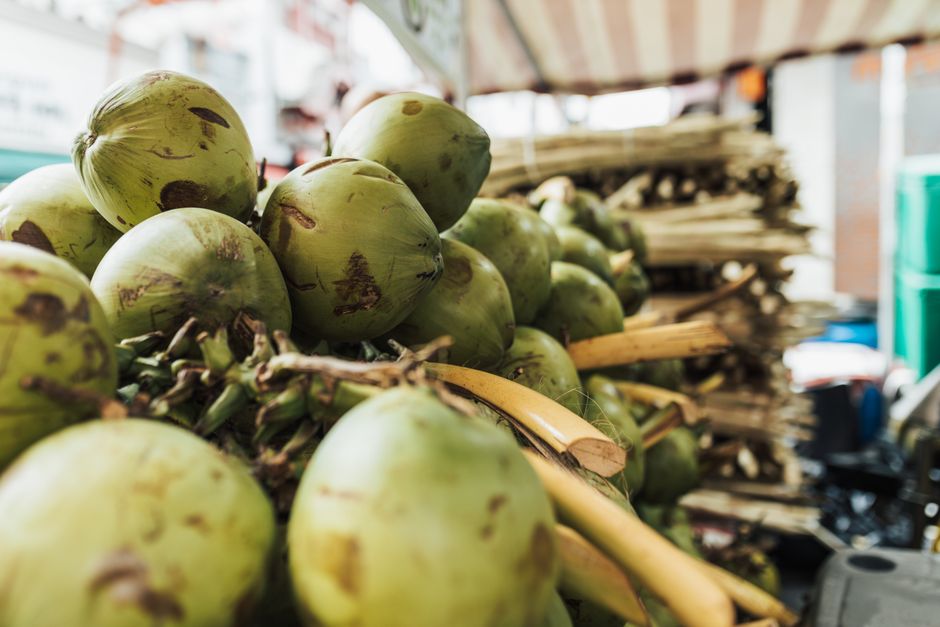
The Big Island of Hawaii is a place of staggering natural abundance, where volcanic soil, tropical sunshine, and island rains conspire to grow some of the most vibrant produce on earth. For visitors, there is no better way to tap into this agricultural richness than by exploring the more than 30 Farmers Markets Big Island Hawaii has to offer. Scattered from the sunny Kona coast to the lush, waterfall-lined streets of Hilo, these markets are far more than a place to buy groceries. They are living, breathing community hubs where you can taste fruit you have never seen before, talk story with the people who grew your food, and find souvenirs that actually mean something. Whether you are a dedicated foodie plotting a market crawl or a family looking for a memorable morning outing, this guide will help you navigate the island’s best markets, day by day and region by region.
Table of Contents
- Why Visit Farmers Markets on the Big Island?
- The Big Island Farmers Market Schedule (Day-by-Day)
- Best Farmers Markets on the Kona Side (West)
- Best Farmers Markets on the Hilo Side (East)
- Unique and Off-the-Beaten-Path Markets (Puna and Kohala)
- Practical Tips for Visiting Big Island Farmers Markets
- Frequently Asked Questions
- Conclusion: Your Big Island Market Crawl Awaits
Why Visit Farmers Markets on the Big Island?
Stepping into a Big Island farmers market is a sensory immersion that no supermarket can replicate. The air smells of sweet mango, fresh basil, and sizzling garlic shrimp from a nearby food tent. Vendors call out greetings, offering samples of apple bananas or slices of creamy avocado the size of your hand. This is where the island’s true flavor lives, and it is a world away from the fluorescent aisles of a chain store.
The produce here tells the story of Hawaii’s remarkable microclimates. On a single table, you might find Kona coffee grown on the volcanic slopes above you, sweet Hilo lychee, and crunchy Waimea greens, all harvested within a day. The variety of exotic fruits alone is worth the trip. Beyond the familiar papaya and pineapple, you will encounter rambutan with its spiky red shell hiding translucent, grape-like flesh, and mangosteen, a deep purple fruit with segments of delicate, sherbet-like sweetness. These are treasures that rarely travel well enough to appear on mainland shelves.
Buying directly from farmers and fishermen means you are getting peak freshness while also supporting the families who steward the island’s working landscapes. The farm-to-table connection is immediate and personal. You can ask a coffee grower about their roasting process or learn from a beekeeper how the lehua blossom shapes the flavor of their honey. This direct exchange is the heart of the experience.
Beyond the food, the markets are cultural gatherings. Many feature live Hawaiian music, and some open with traditional protocols like the blowing of the conch shell. Local artisans sell handcrafted jewelry, woodwork, and textiles that make for deeply authentic gifts. When you are hunting for souvenirs that capture the spirit of Hawaii rather than a mass-produced trinket, these markets are the answer. A jar of macadamia nut blossom honey or a hand-turned koa wood bowl carries a story you can share when you return home.
The Big Island Farmers Market Schedule (Day-by-Day)
Planning a market visit around your itinerary is essential, and knowing which markets operate on which days can make or break your plans. While the Big Island has markets every day of the week, the size and character of the offerings shift dramatically depending on the day.
Monday is the quietest market day on the island. The Hilo Farmers Market operates daily, so it remains open on Mondays from 7 AM to 3 PM, but with a significantly reduced number of vendors compared to its peak days. It is a perfectly fine stop if Monday is your only option, but do not expect the sprawling spectacle of a weekend market. On the Kona side, options are sparse, making Monday a good day for other adventures.

Wednesday is when the energy picks up considerably. This is one of the two major days at the Hilo Farmers Market, when up to 200 vendors fill the stalls with produce, flowers, crafts, and prepared foods. On the west side, the Ho’oulu Community Farmers and Artisans Market opens at the OUTRIGGER Kona Resort and Spa from 9 AM to 2 PM, offering a midweek cultural experience for resort guests and visitors alike. The Kona Village Farmers Market also runs Wednesday through Sunday, giving Kona visitors a reliable option.
Saturday is the undisputed champion of market days, a true Super Saturday that offers major markets on both sides of the island. In Kona, the Keauhou Farmers Market runs from 8 AM to noon at the Keauhou Shopping Center, drawing crowds for its strictly local produce and gourmet offerings. In Hilo, the Kinoole Farmers Market provides a more relaxed, community-focused alternative to the downtown bustle, while the Hilo Farmers Market itself is in full swing with its largest vendor turnout of the week. If you can only visit markets on one day of your trip, make it Saturday.
Sunday belongs to the community gatherings. The Maku’u Farmer’s Market in Puna is a massive weekly event drawing over 1,500 locals and visitors to its sprawling site. On the Kona side, the Kona Village Farmers Market continues its run, and smaller community markets pop up in various neighborhoods. For travelers staying in Volcano or Puna, Sunday is the highlight of the market week.
For those who need daily flexibility, the Hilo Farmers Market is the most reliable anchor, open seven days a week from 7 AM to 3 PM at the corner of Mamo Street and Kamehameha Avenue. Cruise ship passengers and visitors with unpredictable schedules will find it a dependable, if sometimes quieter, option on off-peak days.
Best Farmers Markets on the Kona Side (West)
The Kona coast, with its sunny skies and resort-lined shores, is where the majority of Big Island visitors stay. Fortunately, the region is well-served by markets that range from upscale Saturday affairs to convenient midweek stops.
Keauhou Farmers Market (Saturday)
The Keauhou Farmers Market has earned a reputation as the premier market on the Kona side, and a Saturday morning here feels like a celebration of island agriculture. Set in the open-air courtyard of the Keauhou Shopping Center, the market is sanctioned by the Hawaii Farm Bureau Federation, which means every vendor is a genuine local producer. You will not find resold wholesale produce here, only what farmers have grown themselves.
The selection leans toward the gourmet. Alongside piles of vibrant produce, you will find vendors selling fresh-baked breads, locally made goat cheese, grass-fed beef, and prepared foods that rival restaurant quality. The market is compact but dense with quality, and the atmosphere is relaxed and friendly. Arrive close to the 8 AM opening for the best selection, especially if you have your eye on limited items like specialty mushrooms or just-picked strawberries. Parking fills up quickly in the shopping center lot, so an early arrival also saves you a walk.
Ho’oulu Community Farmers and Artisans Market (Wednesday and Friday)
For a market experience infused with a sense of place and ceremony, the Ho’oulu Community Market is unmatched. Now in its fourteenth year, this market unfolds on the manicured grounds of the OUTRIGGER Kona Resort and Spa in Keauhou Bay, billing itself as “The Gallery on the Green.” The market opens and closes with the blowing of the Pū, the Hawaiian conch shell, a tradition that grounds the bustling commerce in cultural reverence.
The vendor mix here leans heavily toward artisans, making it an ideal stop for gift shopping. You will find painters, jewelers, woodworkers, and textile artists displaying their work alongside farmers selling produce, coffee, and honey. Live music drifts across the lawn, and the resort setting means amenities like restrooms and nearby dining are readily available. Hours are 9 AM to 2 PM on both Wednesday and Friday, making this a perfect midweek outing for families staying in the Keauhou or Kailua-Kona area.
Kona Village Farmers Market (Wednesday through Sunday)
Sometimes you just need a market that is open, convenient, and reliable. The Kona Village Farmers Market, located in the heart of Kailua-Kona, fits that description perfectly. Operating five days a week from 7 AM to 4 PM, it is the most frequently open market on the west side and a dependable stop for visitors staying in town without a car.
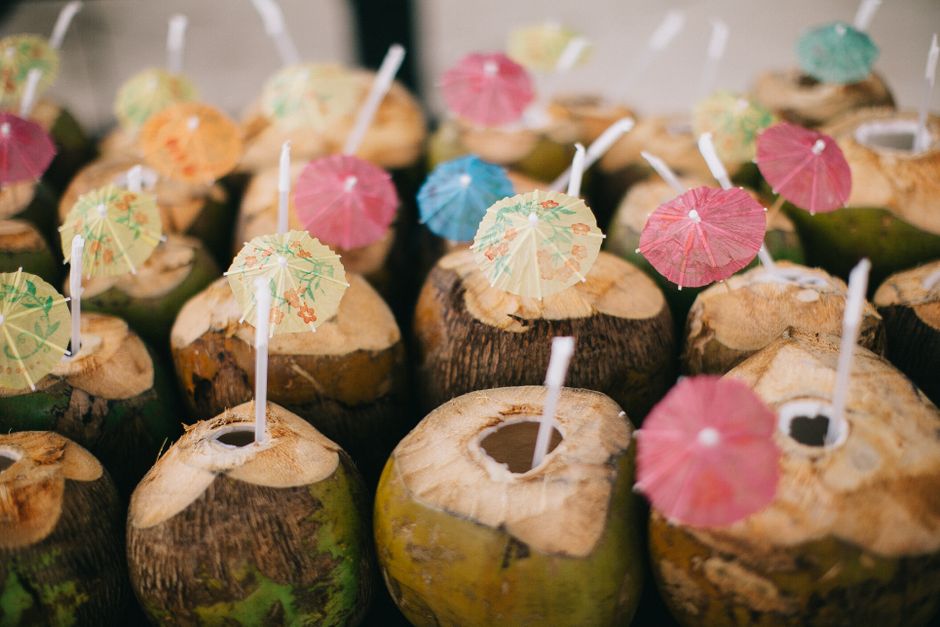
The market offers a broad mix of tropical fruits, fresh smoothies, local vegetables, and souvenir-friendly crafts. It is not as curated as Keauhou or as culturally focused as Ho’oulu, but its accessibility makes it a winner for a quick breakfast run or an afternoon snack. Grab a fresh coconut, have the vendor hack it open with a machete, and sip the cool water while you browse.
Best Farmers Markets on the Hilo Side (East)
The Hilo side of the island, with its dramatic waterfalls, lush rainforests, and proximity to Hawaii Volcanoes National Park, has a distinctly different character from the Kona coast. The markets here reflect that, with a grittier, more local feel and an emphasis on the exotic produce that thrives in the wetter climate.
Hilo Farmers Market (Daily, Best on Wednesday and Saturday)
The Hilo Farmers Market is the undisputed heavyweight of Big Island markets, and on a busy Wednesday or Saturday, the spectacle is unforgettable. Up to 200 vendors pack into the market area at the corner of Mamo Street and Kamehameha Avenue, spilling out under colorful tents and filling the air with a cacophony of languages, laughter, and the occasional crow of a rooster.
The produce selection here is the widest on the island. You will find mountains of papaya, stacks of apple bananas, and heaps of exotic fruits that defy easy description. The flower vendors are equally impressive, selling armloads of orchids, anthuriums, and protea for prices that seem impossibly low. Prepared food stalls serve everything from Filipino lumpia to fresh poke bowls, making the market a legitimate lunch destination.
The market is open daily from 7 AM to 3 PM, but the experience on off-peak days is a shadow of the full event. If your schedule allows, plan your visit for Wednesday or Saturday. Be prepared for crowds and limited parking on those days. The municipal lots fill early, and street parking requires patience and sometimes a few laps around the block. Bring cash, wear sunscreen, and give yourself at least an hour to wander.
Kinoole Farmers Market (Saturday)
For a more laid-back Saturday morning on the Hilo side, the Kinoole Farmers Market offers a welcome alternative to the downtown frenzy. Also sanctioned by the Hawaii Farm Bureau Federation, this market operates with a focus on high-quality local produce, plants, and baked goods, all in a neighborhood setting that feels genuinely local.
The market is smaller and easier to navigate than the main Hilo market, making it a favorite for residents doing their weekly shopping. For visitors, it is a chance to experience a market the way locals do, without the tourist crowds. The plant selection is particularly strong here, with vendors selling orchids, succulents, and fruit tree saplings. If you have ever dreamed of growing your own Kona coffee or Meyer lemon, this is the place to pick up a starter plant, though you will need to check agricultural import rules before taking anything home.
Unique and Off-the-Beaten-Path Markets (Puna and Kohala)
Beyond the well-known markets of Kona and Hilo, the Big Island harbors some remarkable community gatherings that reward travelers willing to venture a little further.
The Maku’u Farmer’s Market, held every Sunday morning in the Puna district, is a phenomenon. With over 150 vendors and more than 1,500 attendees each week, it is one of the largest regular gatherings on the island. The market sits on a sprawling open lot, and the atmosphere is part farmers market, part community festival. The food options here are exceptional, with vendors serving Hawaiian plate lunches, fresh smoothies, and local specialties that reflect Puna’s diverse population. Produce, crafts, clothing, and live music round out the experience. For visitors staying in the Puna area or driving through on a Sunday, Maku’u is an essential stop.
On Wednesday evenings, a completely different kind of market comes alive in the tiny town of Volcano. Uncle Robert’s Awa Bar and Farmers Market is the island’s premier night market experience, a weekly gathering that blends a farmers market with a live music venue and community hangout. The market has been a fixture of the area for decades, and the atmosphere is warm, slightly bohemian, and utterly unique. Food stalls serve hot meals, local vendors sell crafts and produce, and the awa bar pours traditional kava. Live bands play into the night, and the crowd is a mix of locals, off-grid Volcano residents, and lucky tourists who have discovered the scene. If you are visiting Hawaii Volcanoes National Park, timing your trip to include a Wednesday night here is a decision you will not regret.
In the rolling green hills of Waimea, the Waimea Farmers Market on Saturday mornings offers a taste of paniolo country. This is cattle ranching territory, and the market reflects that heritage with vendors selling locally raised beef, fresh produce from Waimea’s farms, and baked goods. The cooler upland climate makes for a pleasant market morning, and the community feel is strong. Waimea is also home to several midweek markets, including a popular Wednesday market at the Parker School, so check local listings if you are staying in the Kohala area.
Practical Tips for Visiting Big Island Farmers Markets
A little preparation goes a long way toward making your market visits smooth and rewarding.
Cash is still king at the vast majority of Big Island farmers markets. While some larger vendors and artisans may accept credit cards or mobile payments, many farmers operate on a cash-only basis. Hit an ATM before you head out, and bring a mix of small bills. Nothing slows down a transaction like handing a farmer a twenty for a three-dollar bag of tomatoes.
Timing your arrival depends on your priorities. If you want first pick of the rarest fruits and the best produce, arrive when the market opens, typically around 7 or 8 AM. The early hours also mean cooler temperatures and easier parking. If you are more interested in deals, swing by during the last hour of operation. Vendors often discount their remaining stock rather than haul it back home, especially on perishable items. The tradeoff is a more limited selection.
Bring a reusable bag or two. While some vendors provide plastic bags, having your own sturdy tote makes carrying purchases easier and reduces waste. If you plan to buy anything delicate, like pastries or flowers, a second bag dedicated to those items is wise.
Markets on the Big Island are generally reliable, but schedules can shift due to weather, holidays, or special events. A quick check of a market’s social media page before you drive across the island can save you from showing up to an empty lot. This is especially true during the rainy season, when outdoor markets may cancel or close early.
Seasonality matters more than many visitors realize. Mango season peaks in the summer months, typically June through August, when tables groan under the weight of multiple varieties. Lychee appears in early summer and disappears quickly. Avocados are abundant in the fall and winter. If you have your heart set on a particular fruit, research its season before your trip. Better yet, arrive with an open mind and let the market tell you what is at its peak.
Frequently Asked Questions
What is the best day to go to the farmers market in Hilo?
Wednesday and Saturday are the peak days at the Hilo Farmers Market, with up to 200 vendors setting up shop. The market is open daily from 7 AM to 3 PM, but the off-peak days have significantly fewer vendors and a quieter atmosphere. If your schedule only allows a weekday visit, Wednesday is the better choice.
Are there any farmers markets on Sunday on the Big Island?
Yes, and some of the best markets happen on Sundays. The Maku’u Farmer’s Market in Puna is a massive gathering with over 150 vendors and a lively community atmosphere. On the Kona side, the Kona Village Farmers Market in Kailua-Kona operates on Sundays from 7 AM to 4 PM. Several smaller community markets also run on Sundays in various neighborhoods.
Can I use credit cards at Big Island farmers markets?
Many vendors, especially smaller farmers and food stalls, operate on a cash-only basis. Some larger artisan vendors and prepared food sellers may accept credit cards, but you should not count on it. Bringing cash, ideally in small denominations, is the safest approach for a hassle-free market experience.
Is there a Walmart on the Big Island?
Yes, there are Walmart locations in both Hilo and Kailua-Kona. While these stores are convenient for general supplies, they cannot replicate the experience of shopping at a local farmers market. The produce at markets is fresher, the selection of exotic fruits is far broader, and the money you spend goes directly into the hands of local farmers and artisans rather than a corporate chain.
Conclusion: Your Big Island Market Crawl Awaits
The farmers markets of the Big Island are as diverse as the island itself, from the bustling aisles of Hilo on a Saturday morning to the serene, conch-shell ceremony at Ho’oulu and the night-market magic at Uncle Robert’s. If you only have time for a few stops, make Keauhou your Kona-side priority and the Hilo Farmers Market on a Wednesday or Saturday your east-side anchor. But do not be afraid to wander. Some of the best market moments happen when you stumble upon a small roadside gathering, strike up a conversation with a taro farmer, or taste a fruit you cannot name. That is the real harvest. When you discover a favorite vendor or a perfect mango, share your find with fellow travelers. Your recommendation might just become someone else’s highlight.
