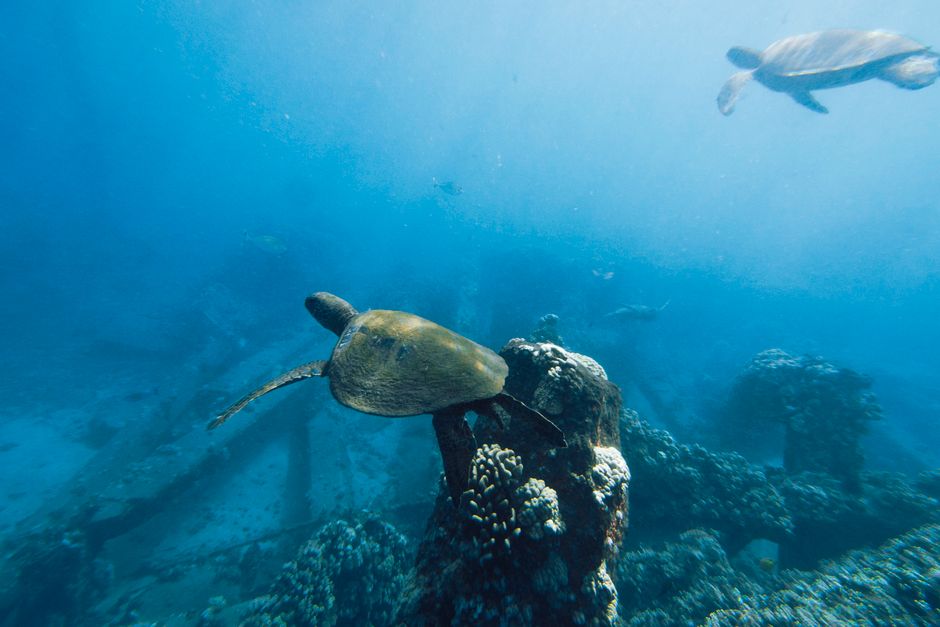
If you want to swim with Hawaiian green sea turtles without the crowds of Hanauma Bay or the drive to the North Shore, Turtle Canyon is your answer. This offshore reef sits just a mile and a half from Waikiki Beach and has earned a reputation as the most reliable place on Oahu to encounter honu in their natural habitat. Unlike random reef drops where guides cross their fingers and hope for a sighting, Turtle Canyon functions as a natural cleaning station where turtles gather daily while fish pick algae from their shells. This guide breaks down everything you need to know about Oahu turtle canyon snorkel trips: which operators run the best tours, what you will see underwater, how to choose the right experience for your group, and how to plan a morning that delivers exactly what the brochures promise.
Table of Contents
- What Makes Turtle Canyon Oahu’s Top Snorkel Destination?
- Top Turtle Canyon Snorkel Tour Operators Compared (2026)
- What’s Included in a Typical Turtle Canyon Snorkel Trip?
- How to Choose the Best Tour for Your Group
- What to Expect: A Step-by-Step Tour Timeline
- Best Time to Visit Turtle Canyon (Seasonal Guide)
- What Marine Life Will You See? (Fish Species Guide)
- Turtle Canyon vs. Other Oahu Snorkel Spots
- Tips for an Amazing Turtle Canyon Snorkel Trip
- Frequently Asked Questions About Turtle Canyon Snorkeling
- Final Tips for Booking Your Turtle Canyon Snorkel Trip
What Makes Turtle Canyon Oahu’s Top Snorkel Destination?
Turtle Canyon is not a single defined spot with GPS coordinates posted on a chart. It is a stretch of offshore reef located roughly 1.5 to 2.5 miles from the Waikiki shoreline, and boats reach it in about ten to twenty minutes depending on departure point and ocean conditions. What makes this reef special is its ecological role. The site functions as a cleaning station, a natural underwater spa where smaller reef fish like wrasses and tangs eat algae, dead skin, and parasites off the shells and skin of green sea turtles. This symbiotic relationship means the turtles actively seek out this reef and linger there, making sightings extraordinarily consistent.
Guides and returning snorkelers routinely report seeing ten or more turtles on a single outing. That is not marketing hype. The cleaning station dynamic means turtles are not passing through by chance; they are congregating with purpose. Compare that to snorkeling at a random reef where a turtle sighting feels like winning a small lottery, and the value proposition of Turtle Canyon becomes obvious.

Water depth at the reef ranges from about ten to thirty feet depending on tide and exact positioning over the reef structure. The shallower sections make it possible for beginners and children to see turtles clearly without free-diving, while deeper pockets give stronger swimmers room to explore. Visibility generally runs from forty to eighty feet on a typical day, though summer mornings tend to deliver the clearest water.
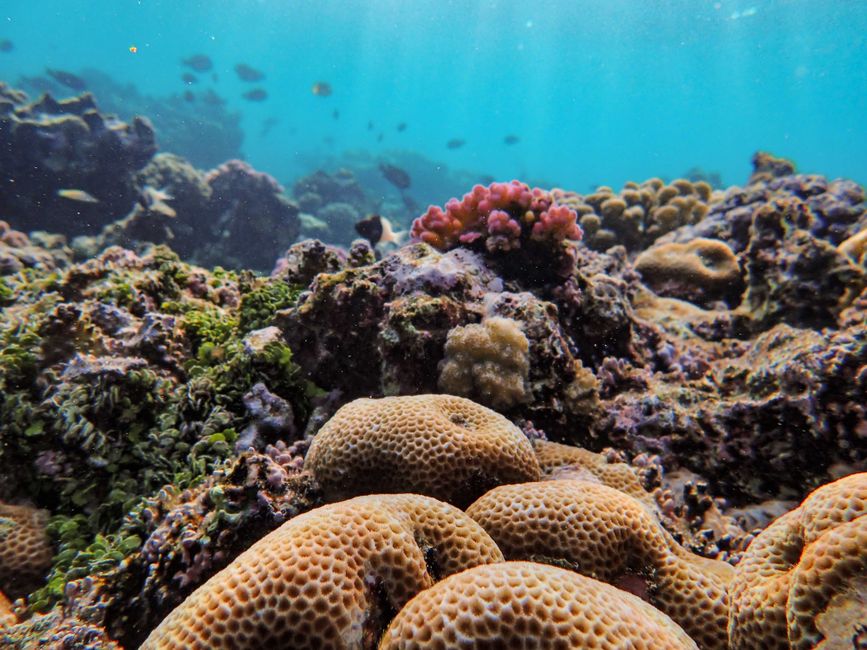
Beyond turtles, the reef hosts schools of yellow tangs, butterflyfish, parrotfish, triggerfish, and the occasional moray eel tucked into coral crevices. Spinner dolphins sometimes appear during the boat ride out, and manta rays glide through on rare but memorable occasions. The combination of reliable turtle encounters, calm water, and a short commute from Waikiki hotels makes Turtle Canyon the top choice for visitors who want a guaranteed wildlife experience without burning an entire day.
Top Turtle Canyon Snorkel Tour Operators Compared (2026)
Several operators run Oahu turtle canyon snorkel trips, and they are not all the same. Departure points, group sizes, boat amenities, and pricing vary enough that choosing the right one shapes the entire experience. Here is how the top operators stack up.
Holokai Catamaran – Best for Beach Boarding and Large Groups
Holokai Catamaran operates a 49-passenger sailing catamaran that departs directly from Waikiki Beach at the Outrigger Reef Resort. This is the only major operator that boards straight from the sand, which eliminates the need to drive or rideshare to Kewalo Basin Harbor. Guests staying at the Hilton Hawaiian Village can walk about five minutes to the check-in spot. The Sheraton Waikiki is roughly a seven-minute walk. That convenience factor is hard to overstate for families with young kids or anyone who wants to roll out of bed and onto a boat.
The tour runs 2.5 hours and costs $80 per adult. Children four and older pay the adult rate, while infants ages zero to three board free. Holokai also lists a private charter option at $3,400, which covers the entire catamaran for a group of up to 49 people. The crew explicitly welcomes guests with mobility concerns and asks travelers to contact them in advance so they can make boarding arrangements. Amenities include snorkel gear, flotation vests, reef-safe sunscreen, bottled water, juice, and light snacks. Guests may bring their own alcohol. A marine head is available onboard.
Living Ocean Tours – Best for High Ratings and Small Groups
Living Ocean Tours has accumulated more than 4,600 reviews with a 4.8 average rating, and the operator maintains a strong presence on Viator and TripAdvisor where a separate listing shows 2,704 reviews and a 4.9 rating with 97 percent traveler recommendation. The company has invested in Korean-language support, and reviews frequently mention Korean-speaking staff on site, which makes this a popular choice for Korean visitors and anyone who values multilingual service.
Tours run two hours and cost approximately $85 per adult when booked through third-party platforms. Group sizes are smaller than Holokai’s catamaran, though exact capacity fluctuates by season and vessel assignment. Departures leave from Kewalo Basin Harbor at 1125 Ala Moana Boulevard, a commercial harbor with paid parking and restroom facilities. The shorter two-hour format appeals to travelers who want a compact morning activity with time left for lunch and beach lounging afterward.
Captain Max Boat Tours – Best for Intimate Experiences
Captain Max Boat Tours holds a 4.9 rating across more than 700 reviews, and the operator caps trips at 20 travelers. That smaller group size changes the feel of the excursion. Guides can give more individual attention, point out turtles and fish species by name, and keep the group together more easily in the water. For couples, solo travelers, or small friend groups who want a quieter, less crowded experience, this operator delivers.
Tours run approximately two hours and depart from Kewalo Basin Harbor. Pricing varies by season and demand, so checking current rates when booking is essential. The smaller boat means fewer onboard amenities than a large catamaran, but the tradeoff is a more personal, less scripted outing.
Charter Oahu – Best for Private and Semi-Private Groups
Charter Oahu also limits groups to a maximum of 20 travelers and positions itself as a semi-private alternative. Families or small groups of friends who want to avoid sharing the boat with dozens of strangers will find this appealing. The operator runs out of Kewalo Basin Harbor at 1125 Ala Moana Boulevard. Pricing is available on request and varies by group size and season. The 20-person cap ensures that even a full boat feels manageable, and the crew can tailor the experience to the group’s comfort level.
What’s Included in a Typical Turtle Canyon Snorkel Trip?
Most Oahu turtle canyon snorkel trips bundle the same core inclusions, which simplifies comparison shopping. Every operator provides a mask, snorkel, fins, and a flotation vest. The vest is not optional on most boats; it must be worn or kept readily available as a safety measure, and it doubles as a confidence booster for nervous swimmers.
Reef-safe sunscreen is standard, and some crews supply it in pump bottles on deck. Bottled water, juice, and light snacks like chips or granola bars appear on most tours. Operators that allow BYOB, like Holokai, will note it in their listing, so check if you want to bring a beer or hard seltzer for the return cruise.
A marine naturalist or trained guide leads the snorkeling portion, explaining turtle behavior, pointing out cleaning station activity, and identifying fish species. Some guides carry waterproof cameras and offer to take photos of guests with turtles, though this is not universal. If photos are a priority, confirm the policy when booking or bring your own underwater camera.
Boats carry life jackets, float lines or rings, and swim steps or ladders that make reboarding easy. Non-swimmers can stay near the boat holding a float line and still see turtles below. The combination of shallow reef, clear water, and flotation support means swimming ability is not a barrier to participation.
How to Choose the Best Tour for Your Group
The right operator depends on who is traveling and what kind of morning you want. Here is how to match your group to the best option.
For Families with Young Children
Holokai Catamaran is the strongest pick for families. Infants ride free, the boat is spacious enough for strollers to be stashed somewhere dry, and boarding directly from Waikiki Beach eliminates the logistics of driving to a harbor and finding parking with tired kids in tow. The 2.5-hour format gives children time to warm up to the water without feeling rushed. Calm conditions at the reef and mandatory flotation vests add layers of safety. The crew’s willingness to accommodate mobility concerns also extends to parents managing small children.
For Couples or Small Groups Seeking Intimacy
Captain Max Boat Tours and Charter Oahu both cap groups at 20 passengers, which creates a noticeably different atmosphere from a 49-person catamaran. Guides can learn names, answer questions individually, and keep the group together in the water. Couples on a honeymoon or anniversary trip will appreciate the quieter vibe. Small friend groups can book through Charter Oahu and feel like they have the reef largely to themselves.
For Budget-Conscious Travelers
Holokai at $80 per adult and Living Ocean Tours at $85 per adult are the most affordable options. Both deliver the core Turtle Canyon experience with high review scores. The tradeoff is group size: Holokai’s catamaran holds up to 49 people, and Living Ocean Tours runs larger groups than the semi-private operators. If cost per person is the deciding factor and you do not mind sharing the reef with a crowd, either operator will get you there and back with professional guidance.
For Travelers with Mobility Concerns
Holokai explicitly invites guests with mobility concerns to contact them ahead of time so the crew can plan boarding assistance. Beach boarding from Waikiki sand may be easier than navigating a harbor dock and stepping down onto a smaller boat. That said, every operator will do their best to accommodate guests who communicate their needs in advance. The key is reaching out before booking, not after.
What to Expect: A Step-by-Step Tour Timeline
Knowing the rhythm of a Turtle Canyon snorkel trip helps set expectations and reduces pre-tour anxiety. Here is how a typical morning unfolds.
Check-in happens fifteen to twenty minutes before departure. For Holokai, that means finding the crew on Waikiki Beach near the Outrigger Reef Resort. For operators departing from Kewalo Basin Harbor, you will check in at a kiosk or dock slip. Staff will have you sign a liability waiver, fit you for fins and a mask, and issue a flotation vest. Arrive wearing your swimsuit under your clothes so you can strip down quickly.
The boat pushes off and cruises toward the reef. The ride takes ten to twenty minutes depending on departure point and sea conditions. During this time, the crew delivers a safety briefing covering hand signals, how to clear a snorkel, and the rule about maintaining a ten-foot distance from turtles. The Waikiki skyline and Diamond Head make for a scenic backdrop.
At the reef, the captain positions the boat and the guide enters the water first to assess conditions and locate turtles. Snorkelers enter via swim step or ladder and follow the guide in a loose group. The in-water session lasts forty-five to sixty minutes. You will float over the reef watching turtles rise for air, descend to rest on the bottom, and hold still while fish clean their shells. The guide points out notable activity and keeps the group oriented.
After the snorkel, everyone reboards and the boat heads back. Crew members pass out snacks and drinks. Some operators play music. Guests swap stories and compare turtle counts. Total time from check-in to return runs 1.5 to 2.5 hours depending on the operator.
Best Time to Visit Turtle Canyon (Seasonal Guide)
Turtles are present at Turtle Canyon every month of the year. The cleaning station dynamic does not depend on migration patterns or breeding seasons, so there is no off-season for turtle sightings. What changes with the calendar are water temperature, surface conditions, and crowd levels.
Water temperatures around Oahu range from about 74 degrees Fahrenheit in late winter to 80 degrees in late summer. That is warm enough for comfortable snorkeling without a wetsuit year-round, though some people prefer a rash guard or thin neoprene top in January and February when the water feels coolest.
Summer months, roughly May through October, bring the calmest seas and best visibility on the south shore. Morning tours during this window often enjoy glassy water and visibility exceeding 80 feet. Winter months, November through March, can bring larger north swells that wrap around to the south shore, creating choppier conditions and slightly reduced visibility. Tours still run, and turtles still show up, but the ride out may be bumpier and the water less crystal-clear.
Peak tourist seasons, mid-December through March and June through August, mean fuller boats. Booking two to four weeks ahead during these windows is wise, especially for the small-group operators like Captain Max and Charter Oahu that fill up quickly. Morning tours departing between 8 and 10 AM typically offer the calmest water, best light for underwater photography, and cooler temperatures before the midday sun intensifies.
What Marine Life Will You See? (Fish Species Guide)
The headliner is the Hawaiian green sea turtle, or honu, a protected species under state and federal law. These turtles can weigh over 200 pounds and live for decades. At Turtle Canyon, you will see them cruising through the water column, resting on the sandy bottom, and surfacing to breathe. The cleaning station behavior is the highlight: turtles hover nearly motionless while schools of small fish swarm their shells, picking off algae and debris. Guides sometimes call it the turtle car wash.
The reef fish community is dense and colorful. Yellow tangs, bright and disk-shaped, move in large schools. Butterflyfish, with their elongated snouts and striking patterns, flit between coral heads. Parrotfish, named for their beak-like teeth, scrape algae from rock and coral, and you can often hear their crunching underwater. Several species of wrasse patrol the reef, including the cleaner wrasses that perform the actual cleaning service on the turtles. Triggerfish, identifiable by their angular bodies and dorsal spines, hover near the bottom and can be territorial, so give them space.
Beyond the reef residents, spinner dolphins sometimes appear during the boat transit, leaping and spinning in the distance. Manta rays glide through on occasion, and Hawaiian monk seals, one of the most endangered seal species on Earth, are spotted rarely but memorably. The coral itself is a living structure, and touching or standing on it damages the reef and violates conservation guidelines. Keep your fins up and your hands to yourself.
Turtle Canyon vs. Other Oahu Snorkel Spots
Oahu has no shortage of snorkeling, but Turtle Canyon occupies a distinct niche. Understanding how it compares to other popular sites helps confirm whether it is the right choice for your trip.
Hanauma Bay, on the island’s southeast shore, is a protected marine life conservation area with high fish diversity and calm, shallow water inside a volcanic crater. It also requires advance reservations, charges an entry fee, and draws large crowds that fill the parking lot by mid-morning. Turtle sightings at Hanauma Bay happen but are not guaranteed. Turtle Canyon offers a higher probability of turtle encounters, no reservation system, and a shorter commute from Waikiki hotels. If turtles are the priority, Turtle Canyon wins. If fish diversity and a protected bay setting matter more, Hanauma Bay is worth the logistics.
Shark’s Cove on the North Shore is a rocky, tide-pool-like snorkel spot that delivers excellent visibility and diverse marine life during summer months. In winter, large surf makes it dangerous and often unswimmable. Reaching it requires a car and about an hour’s drive from Waikiki. Turtle Canyon is accessible year-round and reachable on foot from many Waikiki hotels.
Electric Beach, on the west side near Kahe Point, is known for warm water discharged from a power plant that attracts marine life, including turtles and spinner dolphins. The entry involves a sandy beach and a swim out to deeper water, which suits confident swimmers and strong snorkelers. Turtle Canyon is easier for beginners and families.
Ko Olina Lagoons, on the southwest coast, are man-made, protected swimming areas with calm water and occasional turtle sightings. They are free and family-friendly but lack the reef structure and cleaning station dynamic that make Turtle Canyon so consistent.
Tips for an Amazing Turtle Canyon Snorkel Trip
A little preparation turns a good snorkel trip into a great one. Pack reef-safe sunscreen and apply it at least fifteen minutes before entering the water so it absorbs into your skin rather than washing off immediately into the reef. Bring a towel, a hat, and a light jacket or long-sleeve shirt for the boat ride back, when wet skin and wind can feel chilly even on a warm day.
For underwater photography, a GoPro or similar action camera with a red filter produces the most accurate colors at depth. Shoot from slightly below the turtle rather than above to capture the animal against the blue water rather than the dark reef. Avoid using flash, which can startle marine life and produces backscatter in photos. A waterproof phone pouch works in a pinch but struggles with focus and color at depth.
Respect the ten-foot distance rule for turtles. It is state law and good sense. Turtles that feel crowded will leave the cleaning station, ruining the experience for everyone. Do not chase them, do not touch them, and do not block their path to the surface. The same goes for coral: do not stand on it, kick it, or grab it. Even dead-looking coral is habitat.
If you are prone to motion sickness, take Dramamine or a non-drowsy alternative thirty minutes before departure. The boat ride is short, but south shore chop can surprise people who have never been on a small vessel. Eat a light breakfast and stay hydrated.
Wear your swimsuit under your clothes to the check-in point. Water shoes help for beach boarding with Holokai; sandals or flip-flops are fine for harbor departures where you step directly onto the boat.
Frequently Asked Questions About Turtle Canyon Snorkeling
Can you see turtles at Turtle Canyon year-round? Yes. The cleaning station dynamic keeps turtles coming to this reef every month regardless of season.
How deep is the water at Turtle Canyon? Depth ranges from about ten to thirty feet depending on tide, swell, and where exactly the boat anchors over the reef structure.
Do you need to know how to swim? No. Flotation vests are mandatory and provide enough buoyancy to keep anyone at the surface. Non-swimmers can hold a float line near the boat and still see turtles below.
What is the best time of day for Turtle Canyon snorkeling? Morning tours departing between 8 and 10 AM typically have the calmest water, best visibility, and most flattering light for photos.
Are there bathrooms on Turtle Canyon snorkel boats? Larger catamarans like Holokai have a marine head. Smaller boats may not. Confirm with your operator if this is a deciding factor.
How far is Turtle Canyon from Waikiki hotels? The reef sits 1.5 to 2.5 miles offshore. The boat ride takes ten to twenty minutes depending on departure point.
Final Tips for Booking Your Turtle Canyon Snorkel Trip
Book in advance, especially during peak travel months. Small-group operators like Captain Max and Charter Oahu fill their limited spots one to two weeks out during busy periods. Larger operators like Holokai and Living Ocean Tours have more capacity but still sell out during holiday weeks.
Check cancellation policies before you pay. Most operators offer free cancellation with 24 to 48 hours notice, and weather-related cancellations initiated by the operator typically come with a full refund or rescheduling option. Read recent reviews, focusing on the last three months, to get a current picture of guide quality and reef conditions.
Confirm your departure point and plan transportation accordingly. Holokai boards from Waikiki Beach at the Outrigger Reef Resort, which is walkable from many hotels. All other operators in this guide depart from Kewalo Basin Harbor at 1125 Ala Moana Boulevard, which has paid parking if you are driving or is a short rideshare trip from Waikiki.
Bring cash for tips. Guides and crew work hard to create a safe, memorable experience, and $10 to $20 per person is standard. A great guide can turn a good snorkel trip into the highlight of your Oahu vacation, and they earn every dollar.
