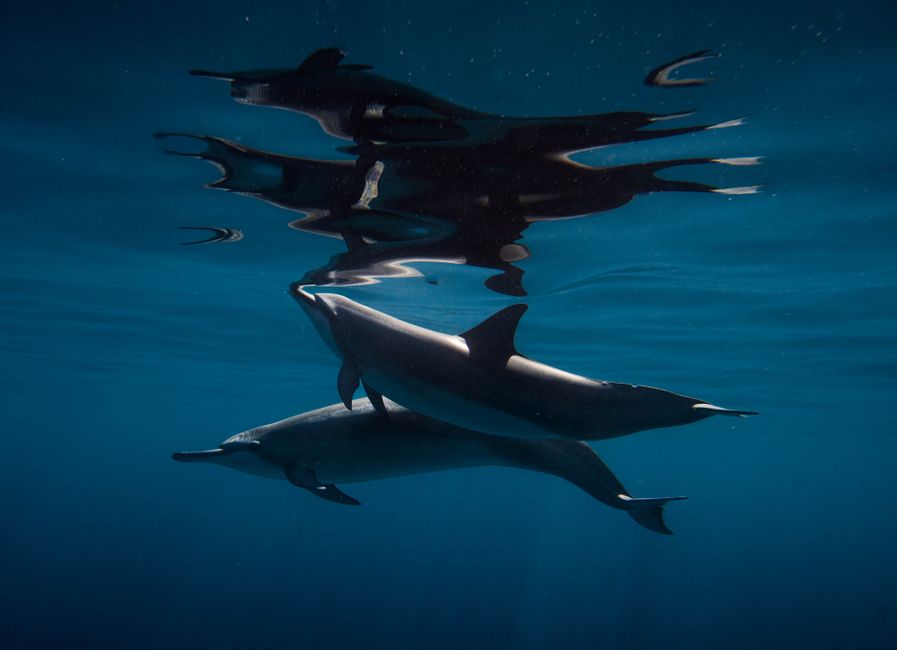
Planning to swim with dolphins in Hawaii in 2026? You have more options, and more rules, than ever before. The dream of gliding through turquoise water alongside a pod of spinner dolphins is alive and well, but the path to that moment looks different than it did a decade ago. This guide walks you through every legitimate way to make it happen, from the controlled lagoons of luxury resorts to the deep-water wild encounters that have reshaped the industry. You will find clear, island-by-island breakdowns, honest pricing tiers, age requirements, and the legal realities that now govern every dolphin interaction in Hawaiian waters. By the end, you will know exactly which experience fits your budget, your travel party, and your conscience.
Table of Contents
- Why the Rules Changed: Understanding Hawaii’s Dolphin Laws in 2026
- Captive Dolphin Encounters: The Safe, Guaranteed, and Family-Friendly Choice
- Wild Dolphin Tours: Adventure, Risk, and the New Legal Reality
- Island-by-Island Breakdown: Where to Book Your Dolphin Swim
- 2026 Pricing Comparison: How Much Does It Really Cost?
- Frequently Asked Questions
- Final Tips for a Safe and Ethical Dolphin Swim in 2026
Why the Rules Changed: Understanding Hawaii’s Dolphin Laws in 2026
The single most important thing to understand before you book anything is that Hawaiian spinner dolphins are now protected by a federal rule that fundamentally changed the wild dolphin swim industry. The Spinner Dolphin Protection Rule, fully enforced as of 2026, makes it illegal to swim with or approach Hawaiian spinner dolphins within two nautical miles of any shoreline in the main Hawaiian Islands. This is not a suggestion or a guideline. It is a binding regulation enforced by NOAA Fisheries and the State of Hawaii.

The reason is biological. Spinner dolphins hunt at night in deep offshore waters and return to shallow coastal bays during the day to rest. When swimmers and kayakers paddle out to interact with them, they disrupt that critical rest cycle. Chronic sleep deprivation weakens the pods, reduces reproductive success, and makes them more vulnerable to predators. The science behind the rule is solid, and the enforcement has teeth. Tour operators caught violating the two-mile buffer face fines that can reach tens of thousands of dollars and the loss of their operating permits. Individual swimmers can also be cited, with penalties starting around $500 and climbing for repeat offenses.
What this means for you is straightforward. Any tour that advertises swimming with wild dolphins directly from a beach, out of a kayak, or within sight of the coastline is almost certainly operating illegally. Legitimate wild dolphin tours now run far offshore, often traveling thirty minutes or more to reach pods in open water. Many operators have shifted their primary product from a guaranteed swim to a dolphin watching tour where a swim may occur if conditions, pod behavior, and location all align with the law. Captive dolphin facilities, by contrast, operate under strict USDA permits and accreditation standards from organizations like the Alliance of Marine Mammal Parks and Aquariums. These encounters are fully legal, tightly regulated, and unaffected by the wild dolphin rules.
Captive Dolphin Encounters: The Safe, Guaranteed, and Family-Friendly Choice
Captive dolphin encounters offer something that wild tours simply cannot: a guarantee. When you book a session at a licensed facility, you will meet a dolphin. You will touch one, learn from its trainers, and spend a defined amount of time in the water with an animal that is accustomed to human interaction. For families with young children, nervous swimmers, or anyone who wants a structured, educational experience without the unpredictability of the open ocean, this is the clear choice. The two dominant players in Hawaii are Dolphin Quest and Sea Life Park Hawaii, and they serve very different segments of the market.
Dolphin Quest (Big Island and Oahu): The Premium Resort Experience
Dolphin Quest operates two locations in Hawaii, both embedded within iconic resorts. On the Big Island, you will find them at the Hilton Waikoloa Village, a sprawling oceanfront property on the Kohala Coast. On Oahu, they occupy a lagoon at The Kahala Hotel and Resort, a luxury property just east of Diamond Head. The resort integration is a major selling point. You can wake up, walk to the lagoon, complete your dolphin encounter, and be back at the pool before lunch. For travelers who value convenience and a seamless vacation experience, this is hard to beat.
The pricing reflects the premium positioning. The Kids Quest program, designed for children ages five through nine, starts around $240 and includes roughly twenty minutes of dolphin time in a small group setting. The Encounter Deluxe, open to ages five and up, runs closer to $280 per person for a shallow-water interaction that blends touch, training demonstrations, and photo opportunities. At the top end, the Dolphin Family and Friends program costs up to $1,770 for a private or semi-private group session lasting thirty minutes. Dolphin Quest also offers a Marine Mammal Trainer for a Day program at $850, which puts you behind the scenes with the animal care team for a half-day immersion in dolphin husbandry, training techniques, and conservation science.
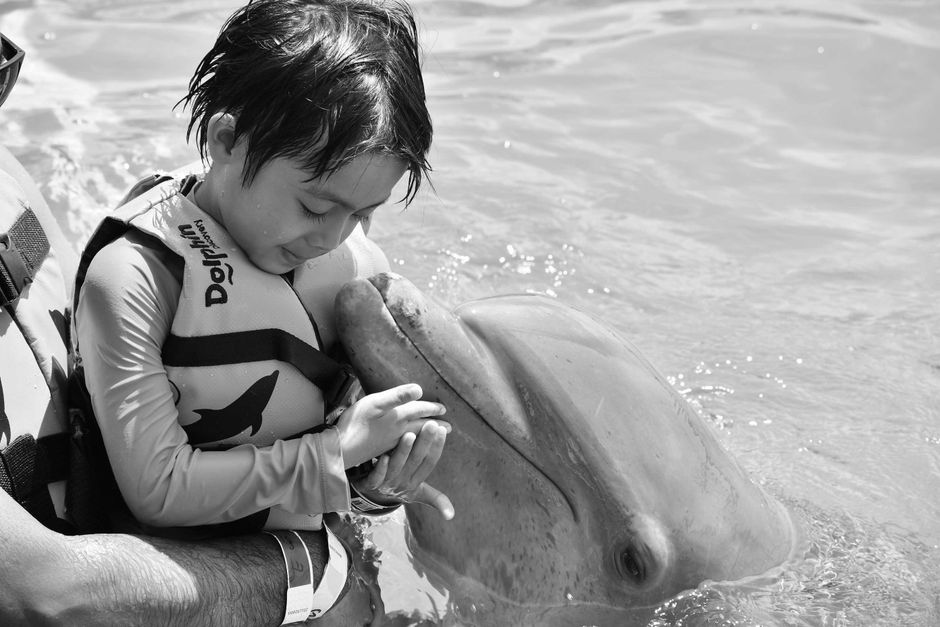
One standout feature for families is the Wee Tots program, which accepts children as young as two years old. This is the only dolphin encounter in Hawaii that serves toddlers, and it fills a real gap for parents traveling with very young kids who still want a taste of the experience. The program is brief, gentle, and conducted entirely in shallow water with a parent present.
Dolphin Quest leans heavily into its educational and conservation credentials. The company funds scientific research on marine mammal health, runs school programs, and publishes peer-reviewed studies on dolphin cognition and welfare. If you want an experience that feels substantive and mission-driven, this is the strongest option.
Sea Life Park Hawaii (Oahu): The Budget-Friendly and Accredited Option
Sea Life Park sits at Makapuu Point on Oahu’s windward coast, about a thirty-minute drive from Waikiki. It is a standalone marine park, not attached to a resort, which means you will need to plan it as a half-day excursion rather than a stroll from your room. The trade-off is price, and the gap is significant.
The entry-level Dolphin Aloha program costs just $89.99 per person. This is a dry-land encounter. You stand on a submerged platform, the dolphin comes to you, and you interact without fully entering the water. It is the cheapest legitimate dolphin encounter in the state and works well for budget-conscious travelers or anyone who simply wants to meet a dolphin up close without swimming. At the other end of the park’s lineup, the Dolphin Exploration program costs $299.99 and includes a deep-water swim in a controlled lagoon environment. Even this top-tier option undercuts Dolphin Quest’s comparable programs by a wide margin.
Sea Life Park prominently displays its accreditation from the Alliance of Marine Mammal Parks and Aquariums and the International Marine Animal Trainers Association. These credentials matter. They signal that the facility meets rigorous standards for animal care, water quality, veterinary oversight, and trainer qualifications. For travelers who feel uncertain about the ethics of captive dolphin programs, this third-party validation provides a meaningful trust signal.
Age restrictions are slightly tighter here than at Dolphin Quest. Shallow-water encounters require participants to be at least four years old. Deep-water swims have an age minimum of eight. There is no toddler program, so families with children under four will need to look elsewhere or wait a few years.
Wild Dolphin Tours: Adventure, Risk, and the New Legal Reality
Wild dolphin tours occupy a different emotional space entirely. There is no lagoon wall, no scheduled feeding, and no guarantee. You board a boat, head into the open ocean, and search for pods moving through their natural environment. When it works, it is electric. When it does not, you still get a boat ride and, often, some excellent snorkeling. The 2026 regulations have reshaped this sector, and the honest operators have adapted by repositioning their tours around watching first and swimming second.
Iruka Hawaii: The Navy SEAL-Style Speedboat Adventure
Iruka Hawaii runs tours out of the Big Island aboard rigid-hull inflatable Zodiac rafts. These are small, fast, low-to-the-water boats that seat around twelve to sixteen passengers on bench seats straddling the pontoons. The ride is bumpy, wet, and thrilling. This is not a leisurely catamaran cruise. It is an adventure product designed for people who are comfortable on the water and physically able to hold onto a rope and climb a ladder in moderate swell.
The company offers a dolphin watching tour starting around $143.20 per person and a swim tour at approximately $179.10. The distinction is important. The watching tour is the core product. You ride offshore, find a pod, and observe from the boat. If the pod is active, in water deeper than the two-mile buffer, and not showing signs of resting or protecting calves, the crew may authorize a swim. That swim is passive and controlled. You slip into the water, hold onto a guideline, and let the dolphins approach or pass by on their own terms. You do not chase them. You do not dive down. You float and watch.
Iruka Hawaii is explicit that swimming is never guaranteed. Any operator that promises a guaranteed wild dolphin swim in 2026 is either lying or breaking the law. The value here is the speedboat experience itself, the high likelihood of finding pods, and the possibility, not the promise, of an in-water encounter.
Indigo Ocean Hawaii: The Eco-Certified Catamaran Option
Indigo Ocean Hawaii takes a different approach, running larger catamarans that prioritize stability, comfort, and environmental responsibility. Their tours typically last four hours and often combine dolphin watching with snorkeling at established reef sites like Kealakekua Bay near the Captain Cook Monument. Pricing falls in the $120 to $180 range per adult, depending on the specific itinerary and season.
The company emphasizes eco-certification and responsible wildlife viewing practices. Their crews are trained in marine mammal observation protocols, and the boats maintain appropriate distances from pods at all times. For travelers who want a wild dolphin experience but prefer a more relaxed, family-friendly platform than a Zodiac raft, Indigo Ocean fills that niche. The catamaran’s deck space, shade coverage, and onboard restroom make it a more accessible option for older adults, younger children, and anyone prone to seasickness who still wants to get offshore.
Island-by-Island Breakdown: Where to Book Your Dolphin Swim
Your choice of island will largely determine what kind of dolphin experience is available to you. The options are not evenly distributed, and booking the wrong island for your expectations leads to disappointment.
Oahu: The Most Options (Captive and Resort)
Oahu is the best island for dolphin encounters if you want choice, convenience, and controlled environments. Sea Life Park offers the budget path. Dolphin Quest at The Kahala Hotel delivers the luxury resort experience. The Hilton Hawaiian Village in Waikiki also runs dolphin encounter programs, giving you a third captive option within a short drive of most Oahu hotels. Wild dolphin tours do exist on Oahu, departing primarily from the leeward coast, but they are less established and less consistent than their Big Island counterparts. If your priority is a guaranteed, structured dolphin interaction with minimal logistical friction, book Oahu.
Big Island (Kona and Kohala Coast): The Wild Dolphin Capital
The Big Island, particularly the Kona and Kohala coasts, is the epicenter of wild dolphin activity in Hawaii. The leeward waters are calm, deep, and rich with marine life. Pods of spinner dolphins, spotted dolphins, and occasionally bottlenose dolphins travel these coastlines year-round. Iruka Hawaii and Indigo Ocean Hawaii both operate here, as do several other licensed offshore tour companies.
A word on Kona specifically, since the search volume around swimming with dolphins in Kona is high. You cannot legally swim with wild dolphins from a Kona beach or within two miles of the Kona shoreline. Any operator offering a shore-entry dolphin swim in Kona is illegal. The legitimate Kona dolphin tours all involve a boat ride offshore, typically departing from Honokohau Harbor or Keauhou Bay. If you want a wild dolphin experience, the Big Island is your best bet. Just make sure you are booking an offshore, licensed operator.
Maui: The Gap We Fill
Maui presents a challenge. Despite strong traveler interest, the island has very few dolphin swim programs. Most Maui dolphin experiences are watching tours, not swimming tours. The Pacific Whale Foundation runs excellent, eco-certified dolphin and whale watching trips out of Lahaina and Maalaea harbors. Their naturalists are top-notch, and sightings are frequent, but you stay on the boat. The Maui Ocean Center in Maalaea offers aquarium-based dolphin viewing in a large exhibit, but there is no in-water interaction program.
Why is Maui so limited? The waters around the island are heavily regulated, particularly during humpback whale season from December through May. The spinner dolphin protection rules are strictly enforced, and the combination of whale season closures, ocean conditions, and regulatory scrutiny has made it difficult for swim-with-dolphins operations to gain a foothold. If you are traveling to Maui and a dolphin swim is a non-negotiable part of your trip, you may need to adjust your expectations toward a high-quality watching tour or consider a day trip to Oahu.
Kauai: The Quiet Option
Kauai has no captive dolphin facilities and very few wild swim tours. The primary dolphin experience here is incidental. Na Pali Coast boat tours, particularly those running out of Port Allen or Hanalei Bay during the summer months, frequently encounter spinner and bottlenose dolphins along the coastline. The boats will pause to observe, and the sight of dolphins riding the bow wake against the backdrop of the Na Pali cliffs is unforgettable. But swimming is not part of the program. If you are visiting Kauai and want to see dolphins, book a Na Pali coast tour with a reputable operator and enjoy the show from the deck.
2026 Pricing Comparison: How Much Does It Really Cost?
The cost of swimming with dolphins in Hawaii spans an enormous range, from under $100 to nearly $2,000 per person. Understanding what each tier delivers helps you avoid overspending on something you do not need or underspending and missing the experience you actually wanted.
Budget Tier (Under $150 per Person)
At this price point, you are choosing between a dry-land captive encounter and a wild watching tour. Sea Life Park’s Dolphin Aloha program at $89.99 puts you face-to-face with a dolphin without getting fully wet. Iruka Hawaii’s watching tour at $143.20 gets you offshore on a speedboat with a chance to see wild dolphins in their natural habitat. Neither option includes a deep-water swim. Both deliver a legitimate, memorable dolphin experience at the lowest available price.
Mid-Tier ($150 to $300 per Person)
This is the sweet spot for most travelers. Sea Life Park’s Dolphin Exploration at $299.99 gives you a guaranteed deep-water swim in a controlled lagoon. Dolphin Quest’s Encounter Deluxe at roughly $280 offers a premium shallow-water interaction at a resort lagoon. Most wild catamaran tours from Indigo Ocean and similar operators fall into the $150 to $200 range, combining dolphin watching with snorkeling. If you want to actually swim with a dolphin and keep the per-person cost under $300, these are your options.
Premium Tier ($300 to $1,800+ per Person)
The premium tier buys you exclusivity, extended time, and behind-the-scenes access. Dolphin Quest’s Marine Mammal Trainer for a Day at $850 is a half-day immersion in marine mammal care. The Dolphin Family and Friends program at $1,770 creates a private group experience with thirty minutes of dedicated dolphin time. These are special-occasion products, well-suited to honeymoons, milestone birthdays, or families who want an intimate, unhurried encounter without other guests in the water.
Frequently Asked Questions
Is it legal to swim with dolphins in Hawaii in 2026?
Yes, but the legality depends entirely on where and how. Swimming with wild spinner dolphins within two nautical miles of any Hawaiian shoreline is illegal under federal law. Swimming with captive dolphins at licensed, accredited facilities such as Dolphin Quest and Sea Life Park is fully legal. Swimming with wild dolphins on licensed offshore tours that operate beyond the two-mile buffer zone is legal, provided the operator follows strict protocols regarding approach distance, pod behavior, and swimmer conduct.
What resort in Hawaii can you swim with dolphins?
Two resorts offer on-site dolphin encounter lagoons. The Kahala Hotel and Resort on Oahu hosts a Dolphin Quest lagoon where guests and visitors can book structured interaction programs. The Hilton Waikoloa Village on the Big Island also houses a Dolphin Quest facility within the resort grounds. The Hilton Hawaiian Village on Oahu offers dolphin encounters as well, making it a third resort-adjacent option, though the setup differs slightly from the dedicated Dolphin Quest lagoons.
What age can kids swim with dolphins in Hawaii?
Age minimums vary by provider and program. Dolphin Quest offers the Wee Tots program for children ages two to four, making it the only option for toddlers. Their Kids Quest program serves ages five to nine. Sea Life Park requires children to be at least four years old for shallow-water encounters and eight years old for deep-water swims. Wild dolphin tour operators like Iruka Hawaii typically set their minimum age at three, though parents should consider the physical demands of a Zodiac raft ride and open-ocean swimming before booking young children on a wild tour.
Can you swim with wild dolphins in Hawaii?
Yes, but only through licensed offshore tour operators who travel beyond the two-mile no-swim zone. Swimming with wild dolphins from a beach, kayak, or paddleboard is illegal. The experience on a legal wild dolphin tour is passive and observational. You enter the water when the crew determines it is appropriate, you stay at the surface, and you let the dolphins control the interaction. Chasing, diving, or attempting to touch wild dolphins is prohibited and can result in the swim being terminated.
Final Tips for a Safe and Ethical Dolphin Swim in 2026
Book only with operators who display clear accreditation. For captive facilities, look for the Alliance of Marine Mammal Parks and Aquariums or the International Marine Animal Trainers Association logos on their websites. For wild tours, seek out eco-certifications such as those from the Hawaii Ecotourism Association or recognized sustainable tourism bodies. Accreditation is not a guarantee of perfection, but it is a strong signal that the operator submits to third-party oversight and meets established standards for animal care and guest safety.
Read the fine print on guarantees before you pay. Captive facilities guarantee a dolphin interaction. Wild tours do not, and they should not. If a wild tour operator promises a guaranteed swim with wild dolphins, treat that as a red flag. The ocean does not work on a schedule, and ethical operators respect the animals’ autonomy. A tour that guarantees a swim is either misleading you or operating outside the law.
Consider the ethics honestly. The debate between captive and wild dolphin encounters is real, and reasonable people land on different sides. Captive facilities argue that their work funds conservation research, rescues stranded marine mammals, and educates millions of visitors who might otherwise never care about ocean health. Critics point to the inherent limitations of life in a lagoon. Wild tours offer a glimpse of dolphins living on their own terms, but they also introduce human presence into environments where the animals may be resting, feeding, or raising young. There is no perfectly clean choice. The best you can do is choose a licensed, accredited operator, follow the rules they set, and treat the animals with the respect they deserve.
Check seasonal conditions before you book. Hawaii’s ocean is calmest from April through October, when trade winds moderate and south shore waters flatten out. Winter months from November through March bring higher surf, stronger currents, and rougher conditions, particularly on north-facing shores. The Big Island’s Kona coast and Oahu’s south shore remain relatively protected year-round, but if you are booking a wild dolphin tour, summer and early fall give you the best odds of a comfortable ride and clear water.
