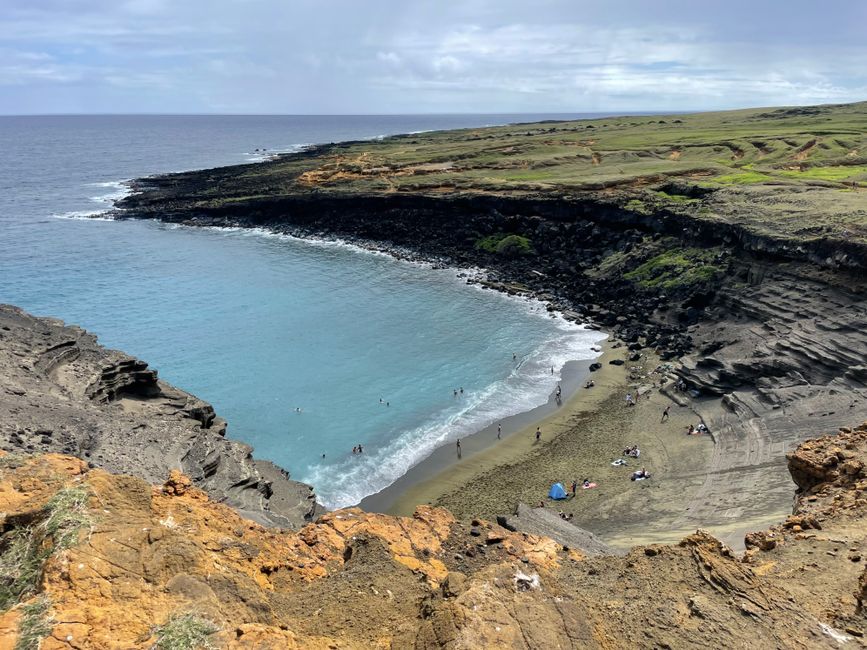
The green sand beach in Hawaii is one of the most extraordinary geological wonders you will ever set foot on, and getting there is an adventure in itself. Officially named Papakōlea Beach, this remote stretch of coastline on the Big Island is one of only four green sand beaches on the entire planet. The sand gets its surreal olive hue from a semi-precious mineral called olivine, and the journey to reach it involves a rugged 5.5-mile round-trip hike across exposed volcanic terrain. This guide covers everything you need to know for a successful visit in 2026, from the science behind the color to the logistics, safety concerns, and cultural context that make Papakōlea a true bucket-list destination.
Table of Contents
- Why Is the Sand Green? The Geology of Papakōlea
- How to Get to the Green Sand Beach in Hawaii (2026 Directions)
- What to Bring: The Ultimate Packing List for 2026
- Is It Safe? Swimming, Weather, and Other Hazards
- Cultural Context: Papakōlea and the Kaʻū District
- Combining Your Visit: Nearby Attractions in the Kaʻū District
- Frequently Asked Questions About the Green Sand Beach in Hawaii
- Final Tips for Your 2026 Visit to Papakōlea
Why Is the Sand Green? The Geology of Papakōlea
The striking green color of Papakōlea Beach comes from olivine, a magnesium iron silicate mineral that is a common component of Hawaiian basalt lava. When olivine is of gem quality, it is known as peridot, the birthstone for August. The mineral erodes from Puʻu Mahana, a cinder cone that formed roughly 49,000 to 50,000 years ago during an eruption associated with the southwest rift zone of Mauna Loa, the massive shield volcano that dominates the southern half of the Big Island.
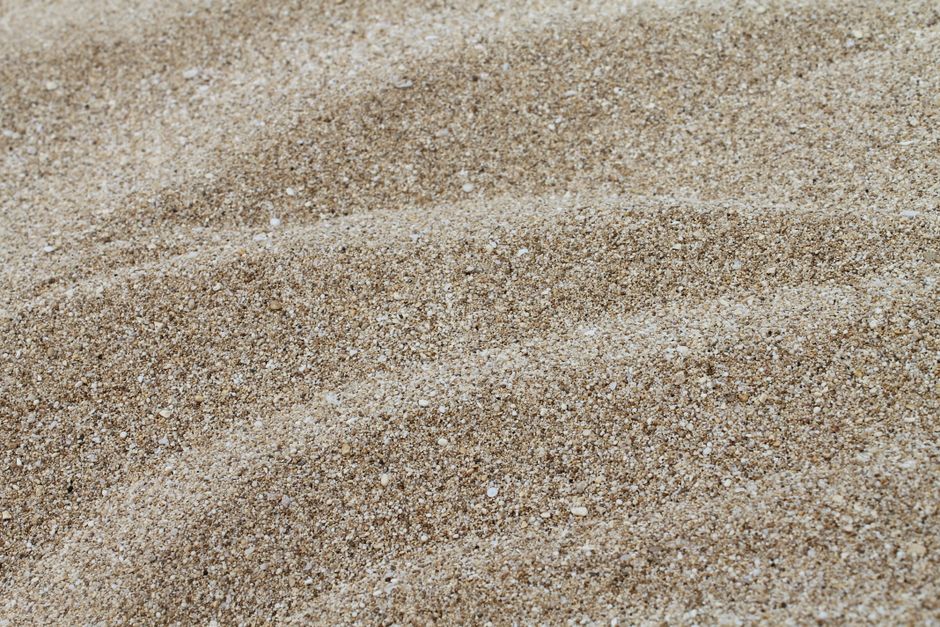
As waves batter the cinder cone, the softer volcanic material breaks down and gets carried into the ocean. This is where a fascinating density sorting process takes place. Olivine crystals are significantly heavier and denser than the surrounding black volcanic sand and ash. When the surf washes over the beach, the lighter black particles are swept out to sea, while the heavier green olivine grains remain behind, accumulating over thousands of years to create the beach you see today. The result is a shoreline that shimmers with an unmistakable olive-green tint, especially vivid on sunny days when the crystals catch the light.
There is an ongoing scientific debate about the exact nature of Puʻu Mahana. Most sources describe it as a tuff ring, a volcanic structure formed when magma interacts explosively with groundwater or seawater. However, some geologists argue it may be a littoral cone, created when lava flows directly into the ocean and generates steam-driven explosions. The debate is complicated by the fact that sea levels were much lower during the last Ice Age, when Puʻu Mahana formed, meaning the coastline looked dramatically different than it does today.
It is also worth noting that the supply of green sand is finite. Erosion of the cinder cone provides a steady replenishment for now, but eventually the olivine-rich layers will be exhausted. When that happens, Papakōlea will lose its signature color and look like any other beach. The mineral has earned the nickname "Hawaiian Diamond" in some circles, a nod to its gemstone quality and its presence in other iconic Hawaiian landmarks, including Oahu's Diamond Head crater.
One of Only Four Green Sand Beaches in the World
Papakōlea belongs to an exclusive club. There are only four green sand beaches on Earth, and the other three are scattered across vastly different corners of the globe: one in Norway, one in the Galapagos Islands, and one in Guam. This is a common point of confusion for travelers. Many people search for how many green sand beaches exist in Hawaii, expecting there might be several. The answer is just one. Papakōlea is Hawaii's sole green sand beach, and its global rarity makes it a legitimate natural treasure. If you are the type of traveler who seeks out places that feel genuinely uncommon, this beach belongs on your list.
How to Get to the Green Sand Beach in Hawaii (2026 Directions)
Reaching Papakōlea requires some planning, but the route is straightforward if you know what to expect. From Highway 11, the main road that circles the Big Island, you will turn onto South Point Road between the 69 and 70 mile markers. This turn is well-signed and leads you through the rural Kaʻū district. The first several miles of South Point Road are paved, but the surface eventually transitions to a graded dirt road. Drive carefully, watch for potholes, and be aware that rental car agreements often have clauses about driving on unpaved roads. While the road to the trailhead is generally well-maintained, conditions can vary.
Roughly eight miles down South Point Road, you will encounter a fork. Turning right takes you to Ka Lae, also known as South Point, the southernmost point of the United States. You want to turn left here. This left fork leads to the Green Sand Beach trailhead, where you will find a small dirt parking lot. The lot fills up quickly, especially during peak morning hours, so arriving early is essential. There are no amenities at the trailhead: no bathrooms, no running water, no shade structures, and no food vendors. Everything you need must come with you.
The total distance from Kona International Airport to the trailhead is approximately 71 miles, which translates to about a 90-minute drive under good conditions. Give yourself extra time if you are driving a larger vehicle or if recent rains have made the dirt sections muddy.
A critical legal point: you cannot drive to the beach. The road beyond the parking lot is closed to all motorized vehicles by the Department of Hawaiian Home Lands. Taking a rental car, a jeep, or an ATV past this point is illegal and will violate your rental contract. The only legal way to reach Papakōlea is on foot.
The 5.5-Mile Hike: What to Expect
The hike to Papakōlea is 2.7 to 2.8 miles each way, for a round-trip total of 5.5 miles. The elevation gain is modest at roughly 275 feet, so this is not a strenuous climb. The challenge comes from the terrain and the exposure. The trail is unmarked, following a network of tire tracks and footpaths across uneven volcanic rock and deep, loose sand. It is dusty, and on windy days, the blowing grit can be relentless.
Sturdy closed-toe shoes are mandatory. Flip-flops or sandals will leave your feet blistered and vulnerable to sharp lava rock. The route offers zero shade, and the Hawaiian sun is intense year-round, with UV indexes that routinely hit extreme levels. Plan for a total time commitment of four to five hours, including the hike in, time to enjoy the beach, and the hike back. Starting your hike by 7:00 or 8:00 AM is the smartest move you can make.
The Illegal Shuttle Problem (And Why You Should Avoid It)
At the trailhead, you may encounter locals offering rides to the beach in the back of pickup trucks for a cash fee. These informal shuttles are illegal. The Department of Hawaiian Home Lands prohibits motorized vehicles on the trail, and for good reason. The trucks cause erosion, damage fragile archaeological sites, and disrupt the coastal ecosystem. The area also contains ancient Hawaiian heiau, or cultural temples, and driving through this landscape is deeply disrespectful to Native Hawaiian heritage.
Politely decline any shuttle offers. The hike is entirely manageable for most reasonably fit people, and walking is the only way to experience the coastline with the respect it deserves. You are not missing out by skipping the ride; you are doing the right thing.
What to Bring: The Ultimate Packing List for 2026
Packing correctly for Papakōlea makes the difference between a memorable adventure and a miserable slog. Start with water. There is no potable water at the trailhead or the beach, so you must carry everything you need. A good rule of thumb is one liter per person per hour of hiking, which means at least three liters per person for the full excursion. In hot weather, err on the side of more.
Sun protection is non-negotiable. Bring reef-safe sunscreen and reapply it regularly, even if the overcast sky tricks you into thinking you are safe. A wide-brimmed hat shields your face and neck, and sunglasses are essential not just for UV protection but for keeping blowing sand out of your eyes. The wind at Papakōlea can be fierce, and a face full of green sand is not the souvenir you want.
Pack a lunch and plenty of snacks, but manage your expectations about dining conditions. You will almost certainly eat what one travel writer accurately dubbed "sand-wiches." The wind whips across the open beach, and a certain amount of grit in your food is part of the experience. A small, lightweight backpack keeps your hands free for balance on the uneven trail. Bring a waterproof camera or a dry bag for your phone, and always carry a trash bag to pack out every scrap of waste. There are no trash cans at the beach. Optional but helpful: trekking poles provide extra stability on the steep, sandy descent from the cliff to the shoreline.
Is It Safe? Swimming, Weather, and Other Hazards
Papakōlea is a remote and exposed location, and safety requires honest self-assessment. Swimming is not recommended. The southern shore of the Big Island faces open ocean, and the surf can be powerful and unpredictable. Strong rip currents, sharp lava rocks, and a steep drop-off make the water hazardous even for strong swimmers. Wading in calm conditions is safer, but always stay alert and never turn your back on the waves.
Heat and sun pose serious risks. Heat stroke can develop quickly when you are hiking across unshaded lava rock in 85-degree temperatures with high humidity. Starting early in the morning is the single best way to reduce this risk. The steep descent to the beach is on loose cinder and sand, and the cliff edges can be unstable. Keep a safe distance from drop-offs, especially if you are taking photos.
The trail is unmarked, and while the route is generally visible, it is possible to get turned around, particularly if fog or rain rolls in. Download an offline GPS map before you leave cell service, and follow the main footpath and vehicle tracks carefully.
Seasonal conditions matter more than many guides acknowledge. The driest and calmest months run from May through October, making this the ideal window for visiting. From December through March, winter swells bring larger surf and stronger winds, which make the hike less pleasant and the ocean significantly more dangerous. Rain can turn the dirt access road and sections of the trail into slick, sticky mud. Check the National Weather Service forecast for wind and swell conditions before you head out, and be willing to adjust your plans if the weather looks rough.
Cultural Context: Papakōlea and the Kaʻū District
The name Papakōlea translates to "plover flats," a reference to the Pacific golden plover, or kōlea, a migratory bird that travels thousands of miles from Alaska to Hawaii each winter. These birds are a familiar sight in the Kaʻū district, and their presence in the area's place names reflects the deep observational knowledge Native Hawaiians have of their natural environment.
The South Point region is rich with cultural significance. Ancient Hawaiian heiau, or sacred temples, dot the landscape, and the coastline was an important site for fishing, navigation, and settlement. Kaʻū itself was historically a center for Hawaiian agriculture, known for growing taro, sweet potato, and later, sugar cane. When you hike to Papakōlea, you are walking through a living cultural landscape, not just a scenic backdrop.
Respectful behavior is essential. Stay on established trails to avoid damaging archaeological sites and fragile native vegetation. Do not take sand from the beach. Removing green sand is illegal under Hawaii state law, and it is also culturally disrespectful. The beach's rarity means that if every visitor took a small vial, there would be nothing left for future generations. Leave no trace, pack out everything you bring, and treat the land with the same care you would want shown to your own home.
Combining Your Visit: Nearby Attractions in the Kaʻū District
Papakōlea is worth the trip on its own, but the surrounding Kaʻū district offers several excellent stops that turn a beach hike into a full-day or multi-day itinerary.
Ka Lae, or South Point, is just a short drive from the trailhead fork. This windswept cliff marks the southernmost point of the United States and features a famous fishing platform where local anglers use ropes and pulleys to launch small boats into the turbulent water. The cliffs are dramatic, the ocean views are endless, and the sense of standing at the edge of the country is palpable.
About a 30-minute drive north from the South Point Road turnoff, you will find Punaluʻu Black Sand Beach. This is one of the Big Island's most accessible black sand beaches, and it is a reliable spot for seeing honu, or Hawaiian green sea turtles, basking on the shore. The beach has picnic tables, restrooms, and shade, making it a comfortable contrast to the ruggedness of Papakōlea.
The Kaʻū district has quietly earned a reputation for producing some of the world's finest coffee. The Kaʻū Coffee Trail connects several local farms and tasting rooms where you can sample award-winning beans and learn about the region's post-sugar agricultural renaissance. If you are a coffee lover, this is a stop worth budgeting time for.
For a larger adventure, Hawaiʻi Volcanoes National Park is roughly an hour's drive from the South Point area. The park is home to Kīlauea, one of the world's most active volcanoes, and offers everything from short scenic drives to multi-day backcountry hikes. Pairing Papakōlea with the volcano makes for an unforgettable Big Island itinerary. On the drive in, you will also pass the South Point Wind Farm, a striking installation of massive turbines that rise from the open pastureland, their blades turning steadily in the consistent Kaʻū winds.
Frequently Asked Questions About the Green Sand Beach in Hawaii
How many green sand beaches are there in Hawaii?
There is exactly one green sand beach in Hawaii: Papakōlea. Globally, there are only four known green sand beaches, with the others located in Norway, the Galapagos Islands, and Guam.
Can you drive to the Green Sand Beach?
No. The road beyond the trailhead parking lot is closed to all motorized vehicles by the Department of Hawaiian Home Lands. Driving a rental car, jeep, or ATV to the beach is illegal and violates rental agreements. The only legal access is hiking.
How long is the hike to the Green Sand Beach?
The hike is 5.5 miles round trip, with each leg measuring approximately 2.7 to 2.8 miles. Most visitors need four to five hours total, including time spent at the beach.
Is the Green Sand Beach worth it?
For active travelers who appreciate unique geology and remote, undeveloped coastlines, the answer is a resounding yes. The hike is manageable, the color of the sand is genuinely remarkable, and the sense of isolation is rare in Hawaii. It is not recommended for those with mobility limitations, very young children, or anyone unprepared for sun and heat exposure.
What is the best time of year to visit the Green Sand Beach?
May through October offers the driest, calmest conditions. Winter months bring larger swells, stronger winds, and a higher chance of rain, making the hike less comfortable and the ocean more hazardous.
Final Tips for Your 2026 Visit to Papakōlea
Start early to beat the heat and secure a parking spot. Respect the land by packing out all trash, staying on the trail, and leaving the green sand where it belongs. Check wind and swell forecasts before you go, and be flexible if conditions look rough. Most importantly, embrace the journey. The hike across the Kaʻū coast, with its sweeping ocean views and stark volcanic beauty, is not an obstacle to overcome. It is the whole point.
