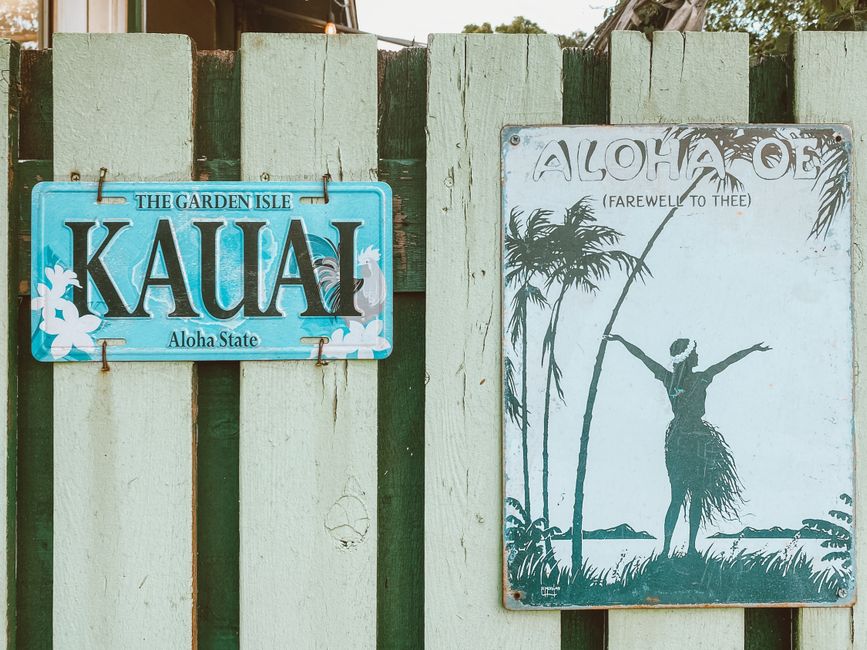
Hawaii is the only U.S. state with two official languages, English and Hawaiian, and visitors encounter both daily, often without realizing it. The language in Hawaii is not a relic of the past preserved in museums. It lives on street signs, in airport greetings, on restaurant menus, and in the lyrics of songs played on local radio. For travelers planning a 2026 trip, understanding even a handful of Hawaiian words transforms a standard vacation into something richer. This guide covers the alphabet basics, essential phrases, a brief history of the language’s near disappearance and revival, and practical tips for using Hawaiian respectfully during your stay. By the end, you will know how to pronounce key place names, recognize common words on signage, and appreciate why the language matters deeply to the people who call these islands home.
Table of Contents
-
Why Understanding the Language in Hawaii Matters for Travelers
-
Essential Hawaiian Words and Phrases Every Traveler Should Know
-
A Brief History: Why the Hawaiian Language Nearly Disappeared
Why Understanding the Language in Hawaii Matters for Travelers
Hawaiian, known as ʻŌlelo Hawaiʻi to native speakers, appears everywhere a visitor looks. Highway signs point toward destinations with names that stretch across multiple syllables. Restaurant menus list dishes that look unfamiliar until you sound them out. Hotel lobbies display plaques reading “E komo mai,” and flight attendants end inter-island announcements with a warm “mahalo.” Knowing a few words transforms these moments from passive observation into active participation.
Pronunciation matters more than most travelers assume. Mispronouncing place names is one of the quickest ways to mark yourself as an outsider. Saying “Ha-wai-ee” instead of “Ha-vai-ee” or stumbling through Kalanianaʻole Highway signals that you have not done your homework. Locals notice. They also notice when visitors make an effort, however imperfect. That effort communicates something important: you see Hawaii as more than a backdrop for vacation photos.
h
Language awareness connects directly to responsible tourism. The Hawaiian language was suppressed for nearly a century, banned from schools and public life. Its revival is ongoing and deeply personal for many families. When a traveler learns to say “mahalo” instead of a generic “thanks,” or asks whether a beach is “makai” or “mauka” of their hotel, they participate in that revival in a small but meaningful way. Understanding the words means understanding the place, its history, and the values of its people.
Travelers will also hear Hawaiian Pidgin, a creole language that developed during the plantation era. This is a separate language variety, not a dialect of Hawaiian or a simplified form of English. Recognizing the difference is important. Using Hawaiian words is welcomed and appreciated. Attempting Pidgin as a visitor often lands poorly and can feel mocking. Stick with Hawaiian, and you will earn smiles rather than side-eye.
The Hawaiian Alphabet: 13 Letters That Change Everything
The Hawaiian alphabet is remarkably compact. Learning it takes minutes. Mastering it takes practice, but the foundation is simple enough that any traveler can grasp the essentials before a flight lands in Honolulu or Kahului.
Vowels and Consonants
The alphabet consists of 13 letters: five vowels and eight consonants. The vowels are a, e, i, o, and u. The consonants are h, k, l, m, n, p, w, and the ʻokina, which is a glottal stop written as an opening single quote mark. That is the entire set. Nothing more.
Vowels follow a pronunciation pattern closer to Spanish or Japanese than to English. Each vowel has one consistent sound rather than the shifting pronunciations English speakers are used to. The letter “a” sounds like “ah,” as in “father.” The letter “e” sounds like “ay,” as in “day” but shorter. The letter “i” sounds like “ee,” as in “see.” The letter “o” sounds like “oh,” as in “go.” The letter “u” sounds like “oo,” as in “moon.” When vowels appear together, each retains its individual sound, though they blend smoothly in speech.

The consonant “w” deserves special attention because its pronunciation shifts depending on its position in a word. After the vowels “i” and “e,” it is typically pronounced as a “v” sound. After “a,” “o,” and “u,” or at the start of a word, it is usually pronounced as a “w” sound. This is why “Hawaiʻi” is properly pronounced “Ha-vai-ee” rather than “Ha-wai-ee.” The “w” follows an “a” in the first syllable and an “i” in the second, creating the characteristic alternation that visitors often miss.
The ʻOkina and Kahakō: Two Diacriticals That Change Meaning
Two marks appear throughout written Hawaiian that are not decorative. They change meaning entirely, and ignoring them leads to confusion or unintended offense.
The ʻokina is a glottal stop, the catch in the throat heard in the middle of the English interjection “uh-oh.” In Hawaiian, it is a full consonant and changes the word it appears in. The word “Hawaiʻi” includes an ʻokina between the final two vowels, which is why it is pronounced with a brief pause rather than as three blended syllables. Without the ʻokina, the word would be something else entirely.
The kahakō is a macron, a horizontal line placed over a vowel to indicate that it is held longer and with emphasis. A single kahakō can distinguish between completely unrelated words. The classic example taught in language classes involves three words that look nearly identical to the untrained eye. Kālā, with a kahakō over the first “a,” means “sun” or “dollar.” Kala, with no diacritical marks, means “to forgive” or “to untie.” Kalā, with a kahakō over the second “a,” refers to a type of fish. One mark, three entirely different meanings.
Omitting these marks can cause real problems. The word “pau” means “finished” or “done.” The word “pāʻū” means “skirt” or “sarong.” A traveler announcing they are “pau” after a meal is fine. Accidentally saying something closer to the other word in the wrong context could raise eyebrows. Modern signage, government documents, and publications in Hawaii increasingly include ʻokina and kahakō, though older signs may not. Travelers should learn to recognize both and understand that a missing mark does not mean it was never there.
Essential Hawaiian Words and Phrases Every Traveler Should Know
You do not need fluency to make a positive impression. A dozen words, used correctly and sincerely, will carry you through most interactions and deepen your experience of the islands.
Greetings and Courtesies
Aloha is the word most visitors already know, but its meaning runs far deeper than “hello” and “goodbye.” Aloha encompasses love, compassion, mercy, and a spirit of mutual regard. It is a way of being as much as a word of greeting. When you say “aloha” to someone in Hawaii, you are offering more than a salutation. You are invoking a value system that prioritizes kindness and connection.
Mahalo means “thank you.” For extra gratitude, “mahalo nui loa” means “thank you very much.” You will hear this word constantly, from cashiers, servers, and anyone who holds a door open. Saying it back is expected and appreciated.
A hui hou translates to “until we meet again.” It carries more warmth than a simple “aloha” when parting and implies you hope to return. Use it when checking out of a hotel or saying goodbye to new friends.
E komo mai means “welcome” or “come in.” You will see it on signs at shops, hotel entrances, and restaurant doorways. It is an invitation, and understanding it makes arriving feel more personal.
Directions and Places
Makai and mauka are two of the most practical words for navigating the islands. Makai means “toward the ocean.” Mauka means “toward the mountains.” Locals give directions using these terms instead of compass points. A hotel concierge might tell you the restaurant is “mauka side of the highway” or that the beach access is “just makai of the parking lot.” Learning these two words immediately makes directions comprehensible.
Kai means “sea” or “salt water.” It appears in place names like Kailua (two seas) and Kaiwi Channel. ʻĀina means “land” or “earth” and carries deep cultural significance tied to stewardship and belonging. The phrase “mālama ʻāina” means “care for the land,” a concept you will encounter on hiking trails and at cultural sites.
Food and Dining
Poke is now a mainland grocery store staple, but its pronunciation is still widely mangled. It is “po-kay,” two syllables, not “po-key” or “poke” as in prodding someone. Ordering it correctly at a fish market or supermarket deli counter shows you know what you are doing.
Poi is pounded taro root, a traditional staple with a mild, slightly sour taste. It appears at lūʻau and on many local plates. Lūʻau itself refers both to the Hawaiian feast and to the taro leaves used in cooking. Ono means “delicious” and is also the name of a type of fish. Context tells you which meaning applies. If a server says a dish is “ono,” they are complimenting the food, not identifying the protein.
Cultural Terms to Know
Kupuna means “elder” or “grandparent” and is a term of deep respect. Addressing or referring to older locals as kupuna acknowledges their status in a culture that reveres age and wisdom. Keiki means “child” and appears on “keiki menus” at restaurants and “keiki activities” at resorts.
Kuleana translates roughly to “responsibility” but also carries the sense of “privilege” and “right.” It is a concept, not just a vocabulary word. When someone speaks of their kuleana to a place or a task, they are describing a sacred obligation. Pono means “righteousness,” “balance,” or “doing the right thing.” The state motto, “Ua Mau ke Ea o ka ʻĀina i ka Pono,” translates to “The life of the land is perpetuated in righteousness.” These words appear in conversation, on signage, and in local media. Understanding them provides a window into Hawaiian values.
A Brief History: Why the Hawaiian Language Nearly Disappeared
The Hawaiian language today is both critically endangered and vigorously revived. Understanding how it arrived at this point requires looking back through three distinct eras.
The Pre-Contact Golden Age
Before Western contact, Hawaii was a fully literate society with a thriving written language. Missionaries developed a written form of Hawaiian in the 1820s, and literacy spread rapidly. By 1841, the Kingdom of Hawaii operated over 1,100 Hawaiian-medium schools across the islands. The literacy rate exceeded 90 percent, higher than most nations in the world at that time. Newspapers, legal documents, literature, and personal correspondence all flourished in Hawaiian. The language also had a rich oral tradition of chants, called mele, and genealogies, called moʻokūʻauhau, that preserved centuries of history and knowledge.
The 1896 Ban and Its Devastating Impact
The overthrow of the Hawaiian Kingdom in 1893 set the stage for linguistic catastrophe. In 1896, Act 57 banned Hawaiian as a medium of instruction in publicly funded schools. Children who spoke Hawaiian at school were punished. Parents were told their language had no future and that their children needed English to succeed. The ban lasted 91 years, from 1896 until 1987, spanning multiple generations.
The results were devastating. By 1985, only 32 children under age 18 across the entire state, including the isolated island of Niʻihau where Hawaiian had survived uninterrupted, spoke the language as native speakers. UNESCO now classifies Hawaiian as Critically Endangered, with approximately 300 native speakers remaining. A language that once boasted one of the highest literacy rates on earth was pushed to the brink of extinction in just four generations.
The Revival Movement: Three Generations to Recover
The turnaround began in the 1980s. A group of educators and cultural practitioners, recognizing that the remaining native speakers were aging, launched the Pūnana Leo immersion preschools. The name means “language nest,” and the concept was simple: surround young children with fluent speakers in a nurturing environment where only Hawaiian is spoken. Founders like Keiki Kawaiʻaeʻa understood the stakes personally. Many were raising children in Hawaiian at a time when doing so was still considered unusual or even detrimental.
In 1978, a state constitutional amendment made Hawaiian an official language alongside English, a crucial legal milestone. The 1990 federal Native American Languages Act provided additional support. Today, over 2,500 students are enrolled annually in 11 preschool and 21 immersion and charter school sites across the state. Another 8,000 study Hawaiian in higher education settings, primarily through the University of Hawaii system.
Educators in the revival movement often describe the process with a three-generation framework. It takes one generation to lose a language. It takes three generations to recover it. The first generation reclaims the language as adults. The second generation grows up speaking it as a second language and passes it to their children. The third generation receives it as a native language in the home. Hawaii is currently in the middle of the second generation of recovery. The work is far from complete, but the trajectory has reversed.
Hawaiian in Modern Hawaii: Where You Will Hear It in 2026
The Hawaiian language in 2026 is not confined to classrooms and cultural ceremonies. It appears in daily life across multiple domains, and travelers who pay attention will encounter it frequently.
Official and Public Spaces
Airport announcements at Honolulu’s Daniel K. Inouye International Airport include Hawaiian alongside English and Japanese. Highway signs display place names with ʻokina and kahakō. Government buildings feature bilingual signage. The University of Hawaii system serves approximately 8,000 students annually in Hawaiian language courses, from introductory levels to advanced study. State legislation and official documents are published bilingually, a practice that reinforces the language’s official status.
Media, Music, and Social Media
Hawaiian-language radio stations broadcast music, news, and talk programming. Podcasts produced in Hawaiian cover topics from current events to traditional navigation. Contemporary musicians weave Hawaiian lyrics into popular songs, continuing a tradition that the late Israel Kamakawiwoʻole brought to international attention with his rendition of “Somewhere Over the Rainbow.” On Instagram and TikTok, creators use Hawaiian in captions and educational content. Searching hashtags like #olelohawaii surfaces language lessons, cultural commentary, and travel tips from local perspectives.
Tourism Industry Usage
Hotels, resorts, and tour companies increasingly train staff in basic Hawaiian greetings and phrases. A front desk agent who greets you with “aloha” and sends you off with “a hui hou” is not performing for tourists. They are using the official language of the state they live in. The Polynesian Cultural Center on Oahu offers interactive language learning as part of its visitor experience, blending tourism with preservation. Travelers who use even one or two Hawaiian words correctly often receive warmer service. The effort signals respect, and respect is reciprocated.
Hawaiian vs. Pidgin: Do Not Confuse the Two
Visitors to Hawaii hear two languages other than standard English and sometimes conflate them. Hawaiian and Hawaiian Pidgin are entirely distinct, and understanding the difference prevents awkward missteps.
Hawaiian Pidgin, properly called Hawaiʻi Creole English, developed during the plantation era of the late 19th and early 20th centuries. Workers arrived from Japan, China, Portugal, the Philippines, Korea, and other countries, each group speaking its own language. A common tongue emerged from this multilingual environment, drawing vocabulary primarily from English but incorporating grammatical structures and words from Hawaiian, Portuguese, Cantonese, Japanese, and other languages. It is a fully formed creole, not “broken English” or “slang.”
The key distinction for travelers is this: Hawaiian is an official state language with a standardized alphabet, written form, and formal grammar. Pidgin is primarily a spoken language with no standardized writing system, though it appears in literature, comedy, and casual communication. Common Pidgin expressions travelers might overhear include “da kine” (a catch-all placeholder, similar to “thingamajig” or “whatchamacallit”), “brah” (brother or friend), and “howzit” (a greeting equivalent to “how are you” or “what’s up”).
The rule for visitors is straightforward. Learning and using Hawaiian words is encouraged and appreciated. Attempting to speak Pidgin as an outsider is not. Pidgin emerged from a specific historical experience of labor, migration, and community-building. When visitors mimic it, the result often sounds like mockery, even when no offense is intended. Stick to Hawaiian. Locals will welcome the effort.
Practical Tips for Learning Hawaiian Before Your 2026 Trip
You do not need to enroll in a university course to arrive prepared. A few weeks of casual practice with the right tools will equip you with everything you need.
Best Apps and Digital Tools
Duolingo offers a Hawaiian course, one of the few indigenous languages available on the platform. The lessons are bite-sized and focus on practical vocabulary, making them ideal for pre-trip preparation. For a more comprehensive reference, Wehewehe.org hosts a digital version of the authoritative Hawaiian dictionary, complete with example sentences and audio pronunciations. Memrise and Quizlet have user-generated flashcard decks covering common phrases, place names, and food terms. On YouTube, the Kaʻiwakīloumoku channel from the University of Hawaii offers structured language content, and the Polynesian Cultural Center posts pronunciation tutorials geared toward visitors.
Books and Audio Resources
For travelers who prefer offline resources, “The Pocket Hawaiian Dictionary” by Mary Kawena Pukui and Samuel H. Elbert is compact enough to slip into a day bag and comprehensive enough to answer most questions that arise. Audio phrasebooks are available through libraries and Audible. Listening during your flight to the islands turns otherwise idle time into productive preparation.
Cultural Etiquette for Language Use
Pronounce words as correctly as you can. Locals appreciate effort over perfection and will often help if you stumble. Never use Hawaiian words mockingly or in a caricatured accent. This should go without saying, but tourist spaces sometimes blur the line between appreciation and performance. Learn the difference between tourist-focused “Hawaiian” phrases, which are often simplified or misused, and authentic usage. If you are unsure of a pronunciation, ask politely. Most locals are happy to help someone who is genuinely trying to get it right.
Frequently Asked Questions About Language in Hawaii
Is English widely spoken in Hawaii? Yes. English is universally spoken across the islands. Hawaiian is co-official and appears on signage, in official contexts, and in cultural settings, but you will never struggle to communicate in English.
Will I need to speak Hawaiian to get by? No. You can navigate an entire trip using only English. Knowing basic Hawaiian words enhances your experience and demonstrates respect, but it is not a practical necessity.
What is the most important Hawaiian word to learn? Aloha. It means hello, goodbye, love, and compassion simultaneously. It is the word you will use most often and the one that carries the deepest cultural weight.
Is Hawaiian hard to learn? The alphabet is small, just 13 letters, which makes reading and writing more accessible than many languages. Pronunciation requires practice, especially the ʻokina and the kahakō, but basic phrases are well within reach for any motivated traveler.
Can I take a Hawaiian language class while visiting? Yes. The University of Hawaii system offers community classes at various levels, and some cultural centers and hotels host introductory workshops. Check schedules before your trip if you want to include a class in your itinerary.
Conclusion: Speaking the Language of the Land
Understanding the language in Hawaii is a gateway to deeper cultural appreciation, not just a travel hack. The words you learn before arriving, aloha, mahalo, makai, mauka, will serve you practically and open doors to conversations you might otherwise miss. The Hawaiian language is a living, breathing part of daily life in the islands, not a museum piece preserved for display. It is spoken by children in immersion schools, sung by musicians on the radio, and printed on the signs that guide you to your next destination. Learn one new Hawaiian word each day of your trip. Use it with intention and respect. The islands will feel different when you do.
