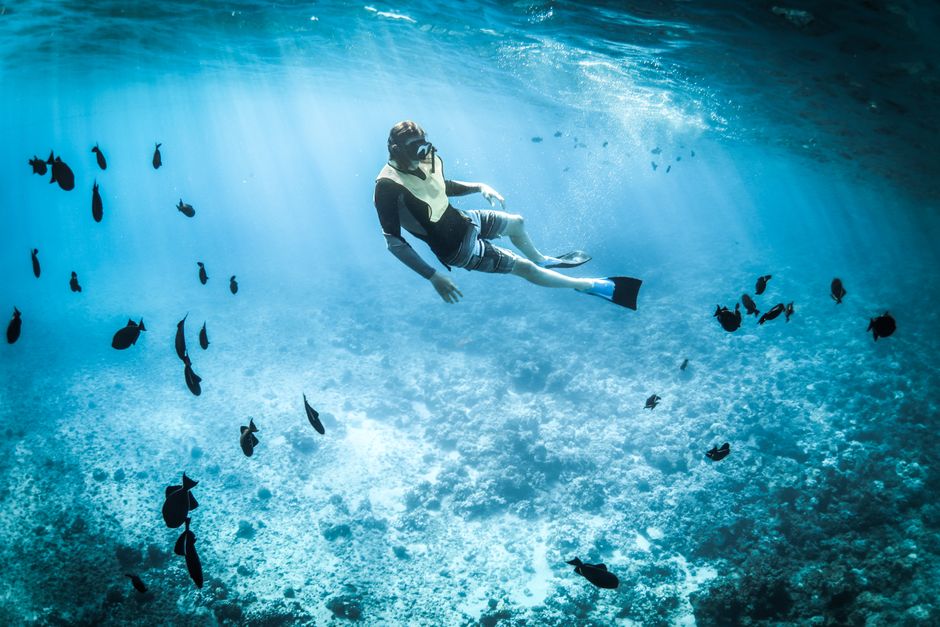
Maui remains one of the most breathtaking islands on the planet, and the list of incredible things to do in Maui, Hawaii, keeps growing each year. This guide is written with a deep respect for the island and its people, especially as West Maui continues to heal and rebuild after the 2023 Lahaina fires. What follows is not a generic roundup pulled from search results. It is a carefully curated collection of iconic adventures, quiet local gems, and practical advice shaped by the reality of traveling here in 2026. Whether you are a first-time visitor checking off bucket-list items, a couple hunting for romance, a solo traveler craving independence, or a family with teens in tow, you will find something here that fits. Expect the classics like Haleakalā and the Road to Hana, but also sugar cane vodka tastings, free hula shows, and the best beaches for every vibe.
Table of Contents
Why Visit Maui in 2026? A Note on Responsible Travel
The 2023 Lahaina fires reshaped West Maui in ways that are still felt today. Entire neighborhoods were lost, and the recovery is ongoing. If you are wondering whether it is appropriate to visit, the answer from the community is a clear yes, with a caveat: come with intention. Tourism is the economic engine that supports local families, restaurants, tour operators, and artisans. When you book a locally owned snorkel tour, eat at a family-run plate lunch spot, or shop at a small gallery in Makawao, your dollars directly aid the island’s recovery.
West Maui, including Kaanapali and the northern stretches of Lahaina, is open and welcoming visitors. Some areas closer to the burn zone remain closed or are best avoided out of respect for residents. Maui welcomes over 3 million visitors annually, and conscious travel in 2026 means choosing experiences that preserve the culture and environment rather than strain it. This guide highlights both the must-see sights and the lesser-known corners where you can spread out and avoid overcrowding.
Top 10 Must-Do Experiences in Maui
These are the bucket-list items every first-timer needs, updated with current logistics and honest alternatives.
1. Watch the Sunrise at Haleakalā National Park
A sunrise above the clouds at 10,023 feet is unforgettable, but it requires planning. The National Park Service mandates advance reservations, which cost $1 per vehicle and sell out quickly. Temperatures at the summit often dip below freezing before dawn, so pack layers, gloves, and a hat. If the 3:00 AM wake-up call sounds brutal, consider sunset or stargazing instead. Neither requires a reservation, and the celestial show after dark is equally stunning. For an adrenaline kick, book a bike tour that lets you coast 23 miles down the volcano after sunrise.
2. Drive the Road to Hana
This 64-mile stretch of highway packs over 600 curves, 50-plus one-lane bridges, and countless waterfalls. Plan for a full day, six to eight hours minimum, and leave before 7:00 AM to stay ahead of the crowds. The must-stop is Waiʻānapanapa State Park, home to a striking black sand beach. Reservations are now required and should be booked weeks ahead. Download offline maps before you go, cell service vanishes quickly, and pack snacks and water. The journey matters more than the destination here, so pull over often and let the jungle set the pace.
3. Snorkel at Molokini Crater
A partially submerged volcanic crater rising from the ocean floor, Molokini delivers crystal-clear visibility and over 250 species of fish. Morning tours offer the calmest water and best light, typically running $160 to $180 per person. The crater is a protected marine sanctuary, so the reef is healthy and vibrant. If boat tours are outside your budget, shore snorkeling at Turtle Town near Makena or Olowalu Reef offers excellent alternatives without spending a dime.
4. Go Whale Watching (December–March)
Every winter, thousands of humpback whales migrate from Alaska to Maui’s warm, shallow waters to mate and calve. The peak window runs from late January through early February, when breaching and tail-slapping activity hits its height. Catamaran tours depart from Maʻalaea and Lahaina harbors, while kayak whale watching offers a quieter, eye-level perspective. For a free option, post up at McGregor Point Lookout with binoculars and watch the spouts from shore.
5. Take a Helicopter Tour Over Maui
Doors-off helicopter tours reveal the island’s dramatic topography in a way nothing else can: razor-thin ridgelines, hidden waterfalls plunging into emerald valleys, and the vast crater of Haleakalā. Pricing ranges from $388 to $667 depending on route and duration. Operators like Blue Hawaiian and Maverick have strong safety records. Book a morning flight for smoother air, better lighting, and fewer clouds hugging the peaks.
6. Relax on Maui’s Best Beaches
South Maui delivers consistent sun and gentle surf. Kamaole Beach Park I, II, and III in Kihei are family-friendly staples with lifeguards and picnic tables. Wailea Beach fronts luxury resorts and offers soft sand and calm swimming. On the west side, Kaanapali Beach stretches three miles along a resort strip with plenty of dining and shopping steps from the sand. Kapalua Bay, further north, is a protected cove ideal for snorkeling. For a local vibe on the north shore, Baldwin Beach near Paia has wide sands and strong winds that draw kiteboarders. Near Hana, Hamoa Beach offers a crescent of salt-and-pepper sand framed by sea cliffs.
7. Experience Hawaiian Culture at the Old Lahaina Luau
The Old Lahaina Luau is widely considered the most authentic luau on the island. It prioritizes storytelling, hula, and traditional Polynesian music over flashy fire-knife spectacles. The oceanfront setting in Lahaina is intimate and respectful. Tickets start around $150 per adult and sell out months in advance, so book as soon as your travel dates are firm. Every performance supports local dancers, musicians, and cultural practitioners.
8. Hike Through Iao Valley State Park
The Iao Needle, a 1,200-foot rock pinnacle covered in lush vegetation, rises from a valley that once served as a burial site for Hawaiian royalty. A short, paved path leads to a viewing platform, making this an easy stop for all fitness levels. The park has undergone periodic closures for restoration work, so check current status before driving up. Parking fills by 9:00 AM. If the gate is closed, the Waihee Ridge Trail offers a more strenuous but equally rewarding alternative with sweeping valley views.
9. Explore Upcountry Maui (Kula & Makawao)
Upcountry Maui feels worlds away from the beach resorts. In Kula, you can tour the Surfing Goat Dairy, sample lavender-infused scones at Aliʻi Kula Lavender Farm, and breathe cool mountain air. Nearby Makawao Town carries its paniolo, or Hawaiian cowboy, heritage proudly. The wooden storefronts house boutique shops, local art galleries, and casual spots serving plate lunches. It is a perfect half-day escape when you need a break from salt and sand.
10. Stand-Up Paddleboard or Kayak Along the Coast
The calm, protected waters off Kihei and Wailea are ideal for beginners on a stand-up paddleboard. Rentals run $40 to $60 for a half-day. For a more memorable outing, kayak to Turtle Town, where green sea turtles feed near the surface. Guided tours provide gear and local knowledge, but confident paddlers can rent solo and explore at their own pace.
Unique & Unusual Things to Do in Maui (Off the Beaten Path)
Beyond the top ten, Maui hides experiences that most visitors miss. Paddle an outrigger canoe alongside sea turtles with Hawaiian Paddle Sports, a small-group outfitter that weaves cultural context into every trip. Sample sugar cane vodka and rum at the Haliimaile Distilling Company, housed in a former pineapple cannery. Drive the winding road to Nakalele Point to watch the blowhole erupt, but keep a safe distance from the spray and wet rocks. For a quiet night, pack a red-light flashlight and warm clothes for sunset stargazing at Haleakalā. The Maui Nui Botanical Gardens in Kahului offers free admission and a living collection of native Hawaiian plants you will not see at resort landscapes.
Things to Do in Maui for Free (or Under $20)
You do not need a big budget to fill your days on Maui. Kamaole Beach Park III and Kapalua Bay offer excellent swimming and snorkeling without parking fees. Hoʻokipa Beach on the north shore is free entertainment, with windsurfers and kiteboarders launching off the waves. The Waihee Ridge Trail is a free, four-mile round-trip hike through misty forests with panoramic valley views. The Maui Ocean Center aquarium costs under $20 for a basic entry and houses an impressive collection of reef fish and sharks. Walk the Lahaina Historic Trail on a self-guided tour to learn about the whaling era and missionary history. On Wednesdays, Whalers Village in Kaanapali hosts free hula shows that welcome families and couples alike.
Best Things to Do in Maui for Couples & Honeymooners
Maui sets a high bar for romance. Book a private sunset sail from Maʻalaea Harbor, where champagne and the silhouette of Lanaʻi create a scene no restaurant can match. Dinner at Mama’s Fish House requires a reservation 60 days out and a budget of $100 or more per person, but the Polynesian-inspired dining room and fresh-caught fish justify the splurge. The Four Seasons Resort Maui at Wailea offers couples’ spa treatments in open-air hales. For a DIY romantic evening, pack a blanket and a thermos of hot tea for a stargazing picnic at Haleakalā’s summit. Hotel Wailea, an adults-only property perched above the coast, remains the island’s best bet for a kid-free, honeymoon-ready stay.
Things to Do in Maui with Teens & Kids
Teens need adrenaline, and Maui delivers. Zip-lining at Kapalua Ziplines sends them soaring over eucalyptus forests, while surf lessons in Lahaina’s gentle breaks build confidence fast. The Maui Escape Room in Kahului challenges groups to solve puzzles under pressure. Younger kids gravitate toward the Maui Ocean Center’s touch pools and walk-through shark tunnel. Baby Beach in Lahaina lives up to its name with a protective offshore reef that creates a shallow, calm pool. The Pipiwai Trail in East Maui makes a memorable family hike, winding through a bamboo forest to the base of 400-foot Waimoku Falls. For a low-key afternoon, the Maui Golf & Sports Park in Kahului offers mini golf and bumper boats. The Pacific Whale Foundation runs educational boat tours that keep kids engaged while supporting marine research.
Solo Travel in Maui: Things to Do on Your Own
Traveling alone on Maui feels liberating, not lonely. Group snorkel tours to Molokini or Lanai provide built-in camaraderie and a guided, safe experience. Cove Beach in Kihei has gentle, consistent waves perfect for a solo surf lesson. Eating at the bar at Monkeypod Kitchen in Wailea means no wait for a table and a lively happy hour scene where conversation flows easily. The Kapalua Coastal Trail is a safe, scenic solo hike that hugs the shoreline with ocean views the entire way. Budget-conscious solo travelers should look at hostels or studio condos in Kihei and use the Maui Bus for cheap transport between towns.
Practical Tips for Your Maui Trip (2026)
Reservations are no longer optional for several major attractions. Haleakalā sunrise slots, Waiʻānapanapa State Park entry, and popular luaus book up weeks or months in advance. Secure these as soon as your flights are confirmed. Renting a car is strongly recommended, as public transit is limited and ride shares are sparse outside the airport corridor. Book your vehicle early, peak-season prices spike quickly, and peer-to-peer platforms like Turo sometimes offer better rates than traditional agencies.
Pack reef-safe sunscreen, it is required by law to protect Maui’s coral. Water shoes save your feet at rocky entries, a light jacket handles upcountry chills, and a reusable water bottle keeps you hydrated in the tropical heat. Respect ocean conditions at all times. Never turn your back on the waves, and check surf reports before entering the water. When visiting West Maui, avoid driving through residential areas of Lahaina that are still recovering. Instead, direct your support to the businesses and restaurants that are open and eager to serve.
Where to Stay in Maui (By Region)
West Maui, anchored by Kaanapali and the reopened areas of Lahaina, suits travelers who want resort amenities, sunset views, and easy access to luaus. South Maui, covering Wailea and Kihei, offers a quieter rhythm with excellent beaches and a deep bench of restaurants. Upcountry, in Kula and Makawao, trades coastline for cool temperatures, rolling pastures, and panoramic views, ideal for a night or two of something different. Hana delivers remote, jungle immersion with limited amenities; book a cabin or glamping tent well ahead. Budget travelers should look at vacation rentals in Kihei, where kitchen access cuts dining costs and nightly rates undercut the big resorts.
Frequently Asked Questions About Maui Activities
Is Maui safe to visit after the 2023 fires? Yes. West Maui is open and welcoming visitors. Avoid the burned areas out of respect for residents and follow local signage.
What is the best month to visit Maui? April through May and September through October offer fewer crowds, pleasant weather, and better rates than the summer and winter peaks.
Do I need a rental car in Maui? A rental car is highly recommended. Public transit exists but is limited in reach and frequency, and many trailheads and beaches are inaccessible without a vehicle.
How many days do you need in Maui? Seven to ten days allows you to cover the main sights, including a full day for the Road to Hana and a summit visit to Haleakalā, without feeling rushed.
What is the number one thing to do in Maui? Most visitors point to sunrise at Haleakalā or the Road to Hana as the island’s defining experiences. Both deliver the raw, natural beauty that makes Maui legendary.
Final Thoughts: Plan Your Maui Adventure for 2026
Maui rewards travelers who arrive with curiosity and respect. The island offers everything from high-adrenaline helicopter tours and deep-ocean snorkeling to quiet afternoons at a lavender farm and free evenings watching hula under the stars. The key is balance: mix the iconic sights with the unexpected finds, and always remember that you are a guest in a place with deep cultural roots and a community still healing. Book early, pack thoughtfully, and practice malama ʻaina, caring for the land. Bookmark this guide, share it with your travel crew, and start locking in those reservations. The adventure you want is here, just plan ahead to make it happen.
