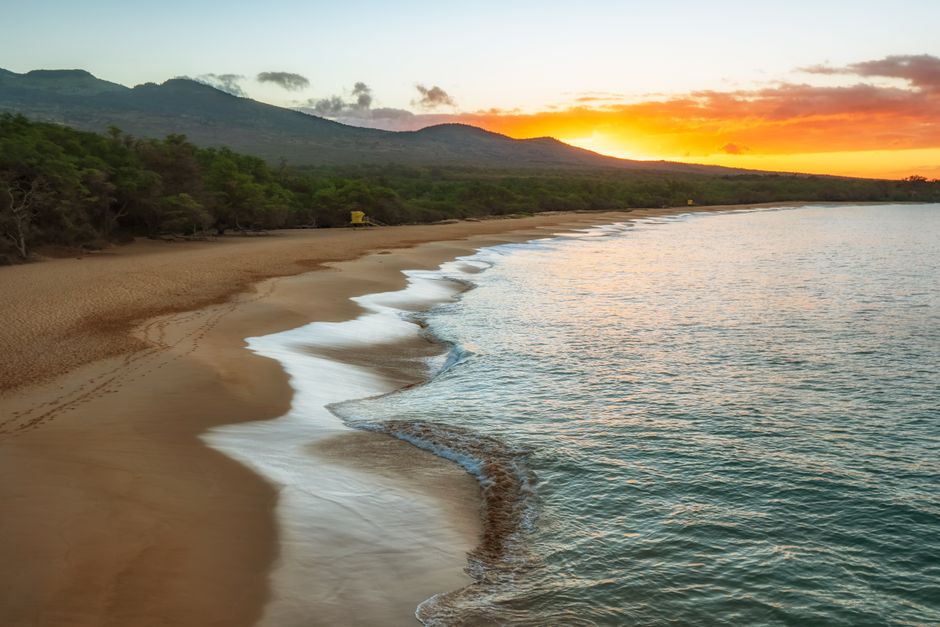
If you're searching for free things to do in Maui, you're in the right place, because the Valley Isle's best experiences don't have to cost a cent. Maui has a reputation for being a splurge-worthy destination, and it's true that flights, hotels, and rental cars add up fast. But once you're here, the island's most unforgettable moments, the ones you'll talk about long after your tan fades, are often the ones that come without a price tag. This guide is built for travelers who want to stretch their vacation budget without sacrificing a single drop of magic. Every recommendation here is genuinely free or comes with an honest note about the one small catch, like a parking fee, so you can plan with clarity and zero surprises. We've cross-referenced local sources, community forums, and current 2026 conditions to bring you a curated, practical list that covers beaches, hikes, cultural sites, snorkeling spots, sunset viewpoints, and even what to do after dark.
Table of Contents
- Why Maui Doesn't Have to Break the Bank
- Free Beaches on Maui: The Island's Greatest Gift
- Free Hikes and Nature Walks
- Free Snorkeling and Ocean Activities
- Free Cultural and Historical Experiences
- Free Sunset and Sunrise Spots
- Free Things to Do in Maui at Night
- Free Things to Do in Maui for Couples and Adults
- Free Things to Do in Maui with Kids
- Practical Tips for Enjoying Maui on a Budget
- Frequently Asked Questions About Free Activities in Maui
- Final Thoughts: Maui's Best Experiences Are Free
Why Maui Doesn’t Have to Break the Bank
The average Maui visitor spends somewhere between $200 and $350 per day on meals, activities, and extras once lodging is covered. For a family of four, that number climbs quickly, and suddenly a weeklong trip feels financially out of reach. But here's what most budget breakdowns miss: Maui's greatest assets are its natural landscapes, and those are almost entirely free to enjoy. By mixing a handful of paid experiences with a solid rotation of no-cost adventures, you can realistically shave 30 to 50 percent off your daily out-the-door spending.
This isn't about settling for less. Some of Maui's most iconic experiences, like driving the Road to Hana, snorkeling at Honolua Bay, or watching the sunset from Haleakala, cost little to nothing once you're on the ground. The island's beaches are public by law, its trails are open to everyone, and its cultural sites often ask only for respect and attention, not admission fees. Free doesn't mean lesser here. It means you're tapping into the Maui that locals know and love, the one that exists beyond resort gates and tour company brochures.

A quick note on context: the 2023 Lahaina wildfires reshaped parts of West Maui, and recovery is ongoing. Some attractions mentioned in older guides remain closed or operate on limited schedules. This article reflects the most current information available for 2026, but conditions can shift. Always double-check official websites before heading out.
What this guide covers: world-class beaches, scenic hikes and nature walks, shore-entry snorkeling, cultural and historical sites, sunset and sunrise spots, nighttime activities, and tailored sections for couples, adults, and families with kids.
Free Beaches on Maui: The Island’s Greatest Gift
Every beach in Hawaii is public by state law, which means no resort, no matter how exclusive, can legally block your access to the sand and surf. That single fact unlocks miles of coastline that rival any postcard. The only expense you might encounter is a parking fee at certain county-maintained lots, and even those are avoidable with a little strategy.
South Maui Beaches
Makena Beach, known locally as Big Beach, stretches wide and golden for nearly a mile, backed by kiawe trees and fronted by waves that are perfect for bodyboarding. On a calm day, the shore break is manageable for strong swimmers. On a big day, it's a thrill to watch. Lifeguards are on duty, and portable restrooms are available. The parking lot charges $5 cash per vehicle, but you can often find free roadside parking if you arrive before 9 a.m. or are willing to walk a few extra minutes.
Just up the coast, Secret Cove, officially called Pa'ako Beach, is a tiny pocket of sand tucked between lava rock walls and overhanging foliage. It's a favorite for sunset photos and small wedding ceremonies, and its intimacy makes it feel like a discovery. Parking is extremely limited, maybe ten spots total, so plan to arrive early or visit on a weekday. There are no restrooms or showers, so bring everything you need and pack it all out.
For a quieter South Maui experience, Oneloa Beach, also called Ironwoods, sits just north of Big Beach. It's less crowded, great for a long walk along the surf line, and has rocky tide pools at the south end that reward patient explorers with glimpses of small fish and crabs. The parking lot here is small but free.

West Maui Beaches
Napili Bay is the kind of crescent-shaped, calm-water beach that families dream about. The surf is gentle, the sand is soft, and the snorkeling along the rocky edges is surprisingly good for beginners. Free street parking lines the road just behind the beach, and several public access paths lead you between the condos and onto the sand. It fills up by late morning, so aim for an early start.
Kaanapali Beach runs for three uninterrupted miles, and while it's lined with resorts, public access points are spaced regularly along the entire stretch. You can walk from one end to the other on the sand or via the paved beach walk that connects the properties. The north end, near Black Rock, offers excellent snorkeling and a nightly cliff diving ceremony that's completely free to watch from the beach.
Honolua Bay is a marine preserve and one of Maui's premier snorkeling destinations. There's no sandy beach entry here. You'll walk a short trail through a lush forest to a rocky shoreline, then wade in. The bay is calmest in summer, and the coral and fish populations are thriving. Parking is along the road near the trailhead, and there are no facilities, so plan accordingly.
North Shore Beaches
Ho'okipa Beach Park is the windsurfing capital of the world, and even if you never set foot in the water, the elevated viewing platforms give you a front-row seat to the action. Sea turtles frequently haul out onto the sand in the afternoon, and volunteers sometimes set up informational signs to help visitors understand what they're seeing. Picnic tables and restrooms make this an easy, comfortable stop.
A few practical reminders: reef-safe sunscreen is required by law in Hawaii, so buy a mineral-based formula before you arrive. The best beach hours for solitude are before 9 a.m. and after 4 p.m., when the midday crowds thin out and the light turns golden. And always check ocean conditions before entering. What looks calm can hide a strong current.
Free Hikes and Nature Walks
Maui's trails lead you into bamboo forests, across volcanic ridgelines, and up to waterfalls that feel like they belong in a movie. Most hikes are free, though a few trailheads sit inside state parks or national park boundaries that charge parking or entry fees. We'll note those honestly.
The Road to Hana Experience
The Road to Hana is often described as a paid tour or an all-day excursion that requires careful planning, but the drive itself is free, and the majority of stops along the way cost nothing. Twin Falls, one of the first major stops, offers a short walk to a series of waterfalls and swimming holes. Entry is free, though the farm stand at the trailhead charges a small parking fee, usually around $10, which supports property maintenance.
Further along, Waianapanapa State Park is home to Maui's famous black sand beach, sea caves, and a blowhole. It's stunning and worth the stop, but it requires an advance reservation and a $10 entry fee per vehicle. We're mentioning it because it's often framed as a free Road to Hana highlight, and it's not. Budget for it or skip it and enjoy the countless free waterfalls and lookouts along the highway instead.
At the very end of the road, past Hana town, the Pipiwai Trail leads you through a towering bamboo forest to the base of Waimoku Falls, a 400-foot cascade. The hike is roughly four miles round trip and moderately strenuous. Entry is free, but the trailhead sits inside Haleakala National Park, so you'll need a park pass. More on that in the sunset section.
Iao Valley State Monument
The Iao Needle is a 1,200-foot rock pinnacle that rises from the valley floor like a green-coated spire. The paved walk to the viewing platform is short, easy, and suitable for strollers and visitors with limited mobility. The monument has reopened after storm damage repairs and is welcoming visitors in 2026. Parking costs $5 per vehicle and is free for Hawaii residents. Mornings are cooler and less crowded.
Nakalele Blowhole
On Maui's rugged northwest coast, the Nakalele Blowhole shoots seawater high into the air when waves hit the lava shelf at the right angle. The hike down from the parking area is short but rocky and uneven. This is where we need to pause for a serious safety note: people have died here. The blowhole's suction is powerful, and rogue waves can sweep across the rocks without warning. Stay behind the marked barriers, keep children and pets close, and do not approach the edge for a photo, no matter how tempting the heart-shaped rock formation nearby might look. That heart-shaped rock is a popular photo op, but it's not worth the risk. The trail is not suitable for elderly visitors or young children due to the terrain.
Waihee Ridge Trail
For panoramic views of the north shore and the deep valleys that define Maui's interior, the Waihee Ridge Trail delivers. It's a five-mile round-trip hike with significant elevation gain, so bring water and start early, ideally before 8 a.m., to beat the heat and the afternoon clouds that roll in and obscure the views. Parking at the trailhead is free.
Before any hike, check the DLNR website for trail conditions. Flash flooding and rockfalls are real risks, especially in the rainy season. Carry more water than you think you'll need, wear sturdy shoes, and follow Leave No Trace principles: pack out trash, stay on marked trails, and leave rocks, plants, and artifacts where you find them.
Free Snorkeling and Ocean Activities
Snorkeling is one of Maui's signature experiences, and if you bring your own gear or rent a set for the week, the ocean access is completely free. Several shore-entry spots rival what you'd see on a paid boat tour.
Best Shore-Entry Snorkel Spots
Honolua Bay, mentioned earlier as a marine preserve, is best in summer when the water is flat and visibility is high. You'll see parrotfish, butterflyfish, and occasionally honu, the green sea turtle. There are no facilities, so bring water and reef-safe sunscreen.
Ahihi Kinau Marine Preserve in South Maui is a protected area with pristine coral gardens and clear, shallow water. Parking is limited and fills quickly. The rules here are strict: no touching anything, no standing on coral, and no fishing. Snorkeling is free, but the preserve's health depends on visitors following those rules to the letter.
Maluaka Beach, often called Turtle Town by locals, is known for frequent green sea turtle sightings. The entry is easy from a sandy beach, and the reef starts close to shore. Parking is available at the beach lot, and there are restrooms nearby.
Black Rock at Kaanapali Beach
The lava rock formation at the north end of Kaanapali Beach creates a natural snorkeling arena with calm water on one side and deeper drop-offs on the other. You can swim out from the sand and circle the rock, keeping an eye out for turtles and eagle rays. Every evening at sunset, a diver from the Sheraton lights torches along the rock, blows a conch shell, and leaps from the cliff in a traditional ceremony that honors Maui's last chief, Kahekili. Watching from the beach is free and genuinely moving.
Bodyboarding and Surfing
Big Beach at Makena is a bodyboarding favorite. The waves can be powerful, so know your limits and watch the shore break before committing. Beginner surf lessons aren't free, but you can post up on the sand at popular breaks like the Cove in Kihei and watch the action for entertainment that costs nothing.
Ocean safety is non-negotiable. Check conditions before entering, never turn your back on the waves, and respect rip currents. Winter brings big surf to north shores, while summer is calmer and better for snorkeling.
Free Cultural and Historical Experiences
Maui's history runs deep, and several free sites offer a window into the island's past and living traditions. The 2023 wildfires affected many Lahaina-area attractions, so we've noted current 2026 status where possible.
Hale Kahiko: Replica Hawaiian Village
Behind the Old Lahaina Center, Hale Kahiko is a living-history village with thatched hale, or houses, built in traditional styles. Cultural practitioners sometimes demonstrate crafts and share stories. The site was impacted by the wildfires and has been gradually reopening. Check current hours before visiting.
Lahaina Heritage Museum
Housed in a 150-year-old courthouse, this museum covers Maui's whaling era, the Hawaiian monarchy, and the island's multicultural roots. The basement, once a prison, now serves as an art gallery. The museum and surrounding Lahaina town are still in recovery, so confirm reopening status before making the trip.
Plantation Museum
In the small town of Puunene, the Plantation Museum documents Maui's sugar plantation history through photographs, artifacts, and personal stories. It's a hidden gem that few visitors know about, open limited hours, typically on weekdays. Admission is free, and the quiet, unpolished atmosphere makes it feel like a genuine step back in time.
Paia Town Exploration
Paia is a former plantation town turned surf hub, with colorful storefronts, street art, and a laid-back energy that invites wandering. The historic Paia School building and the community center offer glimpses into the town's past. Browsing the shops and galleries is free, and the people-watching is excellent.
Free Ukulele Lessons
Paradise Found in Maui has reported free ukulele lessons every Tuesday at 5:45 p.m. at Lahaina Cannery Mall. It's a unique, hands-on cultural experience that costs nothing. The mall's programming may have changed post-wildfire, so check their events calendar for the latest schedule.
When visiting cultural sites, remember that donations are appreciated even when admission is free. Respect protocols: don't climb on structures, don't touch artifacts, and ask before photographing practitioners or community members.
Free Sunset and Sunrise Spots
Maui's sunsets are legendary, and you don't need a reservation at a beachfront restaurant to enjoy them.
Haleakala Sunrise and Sunset
Let's be upfront: Haleakala sunrise requires a timed entry reservation, which costs $1 to $3, plus the park entry fee of $30 per vehicle. That's not free. Sunset at the summit, however, requires no reservation, and if you already have an America the Beautiful pass, which covers national park entry, you can drive up for no additional cost. The pass pays for itself in two visits and is worth considering if you plan to explore the Pipiwai Trail as well. If you'd rather skip the park fee entirely, drive to the Haleakala Visitor Center area below the entrance gate for partial but still impressive views.
Black Rock Cliff Diving Ceremony
The sunset ceremony at Black Rock, described earlier, is a cultural experience that doubles as a spectacular sunset show. Arrive by 5:30 p.m. to claim a spot on the sand.
Secret Cove Sunsets
Pa'ako Beach is small and intimate, making it a favorite for couples and photographers. Parking is limited, so arrive early, bring a blanket, and stay after the sun drops to watch the stars emerge. Maui's minimal light pollution makes for incredible night skies.
Kaanapali Beach Walk
The paved coastal path that runs the length of Kaanapali Beach is flat, accessible, and perfect for a sunset stroll. You can walk for miles with the ocean on one side and the resorts on the other, and the path is well-lit enough to linger into twilight.
Sunset times vary by season, roughly 5:45 p.m. in winter and 7:15 p.m. in summer. Bring a light layer, because trade winds can make evenings cool. Stick to public beach access points and avoid cutting through resort lobbies unless you're a guest.
Free Things to Do in Maui at Night
Nighttime free activities are harder to come by, which is exactly why this section exists. The related searches don't lie: people want to know what to do after dark without spending money.
Stargazing is the standout. Head to Makena State Park after hours, or any dark beach away from resort lights, spread a blanket, and look up. A free star map app on your phone will help you identify constellations, planets, and, if you're lucky, the Milky Way stretching across the sky.
The Black Rock cliff diving ceremony at sunset bleeds into the early evening and is the closest thing to free nightly entertainment on the island. Check the Maui County community events calendar for free hula performances, concerts, and cultural demonstrations, many held at parks and community centers. Lahaina Cannery Mall sometimes hosts free evening entertainment, though schedules vary.
A note on beach bonfires: they're not officially permitted on most beaches, and regulations are enforced. Some vacation rentals and condos have shared fire pits for guests, so check with your host. Safety-wise, stick to well-lit areas or open beaches, don't hike at night, and respect quiet hours in residential zones.
Free Things to Do in Maui for Couples and Adults
Most free-activity lists lean heavily toward families, but couples and adults traveling without kids have their own set of priorities. Romance, quiet, and a slower pace top the list.
Romantic Free Experiences
A sunset picnic at Secret Cove is hard to beat. Pack a cooler with cheese, fruit, and something chilled to drink, bring a blanket, and claim a spot on the sand before the golden hour begins. The cove's small size makes it feel private, even with a few other couples nearby.
Walking the Kaanapali Beach path hand-in-hand as the sun drops, then stopping at Black Rock for the cliff diving ceremony, is a ready-made date night that costs nothing. For a truly memorable evening, drive to a dark beach after sunset, spread a blanket, and stargaze. A thermos of coffee and the Milky Way overhead is a kind of luxury no resort can sell.
The upcountry drive through Kula and Makawao offers free lookouts over the valley, ranchland scenery, and a charming town to wander. Makawao's art galleries are free to browse, and many host opening receptions with complimentary refreshments.
Adult-Focused Free Activities
Maui Brewing Co. offers free public tours on select days. Tasting flights cost extra, but the tour itself is a fun, no-cost way to spend an hour. Farmers markets, like the Upcountry Farmers Market in Kula, are free to browse and often include samples. Art galleries in Paia and Makawao welcome browsers, and the people-watching alone is worth the stop.
Free Things to Do in Maui with Kids
Traveling with kids changes the equation. Free activities need to be engaging, safe, and reasonably easy to access. Maui delivers on all three fronts.
Kid-Approved Free Activities
Baby Beach in Lahaina is a protected, shallow lagoon that's perfect for toddlers. The water is calm, the sand is soft, and the entry is gradual. Access may be affected by ongoing wildfire recovery, so verify conditions before you go.
Ho'okipa Beach Park is a hit with kids who love watching windsurfers zip across the waves and spotting sea turtles on the sand. The elevated viewing area keeps little ones safely away from the water while still giving them a front-row seat.
Twin Falls on the Road to Hana is an easy walk to waterfalls and swimming holes that older kids will love. The parking fee is modest, and the farm stand sells banana bread that's worth the splurge. Iao Valley's paved paths make it stroller-friendly, and the Iao Needle is a wow-factor sight that doesn't require a long hike to appreciate.
The Maui Ocean Center charges admission, but the outdoor tide pools near the parking area are free to view and give kids a chance to see marine life up close.
Free Activities That Feel Extra
Geocaching turns a beach walk or a town stroll into a treasure hunt. Download a free app and search for caches hidden around Kihei and Wailea. A beach scavenger hunt is another easy win. Make a list of items to spot: black sand, a cowrie shell, a piece of coral to look at but not take, a seabird, a whale spout in season. It keeps kids engaged and curious.
Safety is the constant undercurrent. Always supervise kids around water and rocks. Reef shoes are a worthwhile investment for rocky shorelines. Pack snacks and water, because hungry kids and free activities don't mix well. Time outings around nap schedules, with mornings best for beach time and afternoons for shaded, low-energy exploration.
Practical Tips for Enjoying Maui on a Budget
Parking fees are the most common hidden cost. Many county parks charge $5 to $10 per vehicle. Carpooling splits the cost, and arriving early often means you can park along the road for free. If you plan to snorkel more than twice, buying a basic set at Costco or Walmart for around $30 is cheaper than renting at $10 to $20 per day.
Food is another budget lever. Free activities pair perfectly with grocery-store meals. Pack a cooler with sandwiches, fresh fruit, and plenty of water, and you'll avoid the temptation of pricey beachfront restaurants. The America the Beautiful annual pass, at $80, covers entry to Haleakala National Park and pays for itself in two visits if you plan to hike the Pipiwai Trail and watch the sunset from the summit.
Maui is still recovering from the 2023 wildfires, and conditions change. Always verify that attractions are open before driving out. Respect the land: free doesn't mean unregulated. Follow posted rules, stay on trails, and leave no trace.
Frequently Asked Questions About Free Activities in Maui
Is the Road to Hana free? The drive itself is free, but you'll pay for gas, food, and potentially parking at Waianapanapa State Park, which requires a reservation and a $10 fee.
Are Maui beaches free? Yes. All beaches in Hawaii are public by law. Some have parking fees, but beach access itself is always free.
Is snorkeling free in Maui? Yes, if you bring your own gear. Rental costs range from $10 to $20 per day.
Do I need a reservation for Haleakala sunrise? Yes. A timed entry reservation is required, costing $1 to $3, in addition to the park entry fee. Sunset requires no reservation.
What free activities are available in Lahaina in 2026? Many attractions are reopening post-wildfire. Check the Lahaina Town website for current status of the Banyan Tree Park, heritage museum, and cultural sites.
Are there free things to do in Maui at night? Yes. Stargazing, the Black Rock cliff diving ceremony, and select community events are free.
Final Thoughts: Maui’s Best Experiences Are Free
Maui's most memorable experiences, the beaches that stretch for miles, the hikes that lead you into bamboo forests and up to waterfalls, the sunsets that paint the sky, and the cultural sites that tell the island's story, don't require a tour operator or a credit card. They require a sense of curiosity, a willingness to wake up early, and a respect for the land and its people.
Mix these free activities with one or two paid experiences, like a luau or a snorkel tour to a farther reef, and you'll have a trip that feels rich without being reckless. The best recommendations often come from fellow travelers, so if you discover a free gem that's not on this list, share it. Community knowledge keeps guides like this alive and accurate. Bookmark this page, send it to someone planning a Maui trip, and check back as the island continues to recover and evolve. The magic is here, and it's yours for the taking.
