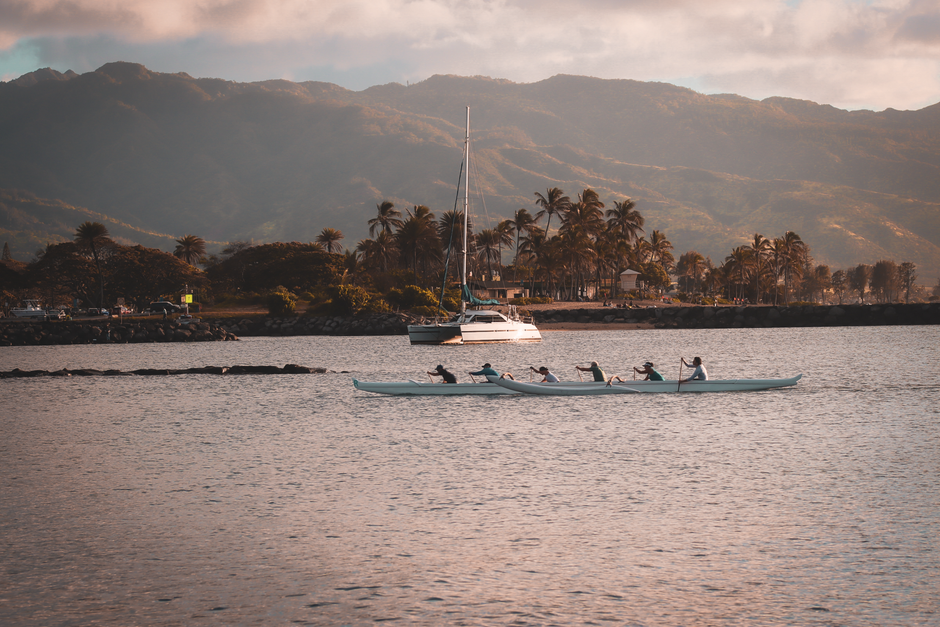
Planning Waikiki outrigger canoe trips in 2026? You are stepping into one of the most enduring traditions on Oahu's south shore, a century-old practice that blends Hawaiian culture, ocean adventure, and the pure thrill of surfing a wave toward Diamond Head. This guide cuts through the marketing claims and delivers a straight comparison of the five main operators, real pricing for this year, and exactly what the experience feels like from the moment you push off the sand to the final glide back to shore. Whether you are a solo traveler hunting the best value, a family with young kids, or someone seeking a private cultural experience, you will find the decision-ready details here that operator websites cannot provide side by side.
Table of Contents
- Why Outrigger Canoe Surfing Is a Must-Do in Waikiki
- How Much Do Waikiki Outrigger Canoe Trips Cost in 2026?
- Top Waikiki Outrigger Canoe Operators Compared
- What to Expect on Your Outrigger Canoe Trip
- Age Requirements, Safety, and Accessibility
- Best Time to Go: Seasonal Surf Conditions and Booking Tips
- The Cultural Significance of Outrigger Canoes in Hawaiʻi
- How to Choose the Right Waikiki Outrigger Canoe Trip for You
- Frequently Asked Questions About Waikiki Outrigger Canoe Trips
- Getting There: Launch Locations, Parking, and Logistics
- Final Thoughts: Is a Waikiki Outrigger Canoe Trip Worth It?
Why Outrigger Canoe Surfing Is a Must-Do in Waikiki
There is a moment on every outrigger canoe trip when the chatter stops. The captain calls for paddles, the crew digs in, and the hull catches a swell that lifts and accelerates the entire vessel in a way no motorized boat can replicate. Diamond Head sits on the horizon, the Waikiki skyline shrinks behind you, and for a few seconds you are riding a wave the way Hawaiians have for centuries.
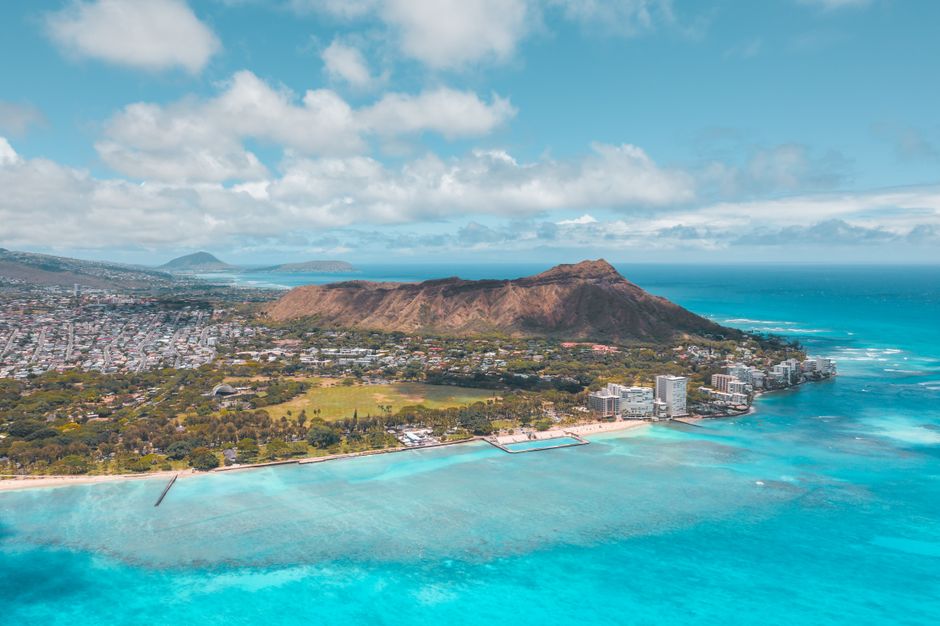
Canoe surfing was once the exclusive domain of Hawaiian royalty, the aliʻi. Commoners were forbidden from the practice, making the outrigger canoe a symbol of status and sacred connection to the ocean. That changed in the early 1900s when Duke Kahanamoku, the Olympic swimming champion and father of modern surfing, began taking visitors out in outrigger canoes off Waikiki Beach. He and the original Waikiki Beach Boys, a group of native Hawaiian watermen, transformed a royal tradition into an accessible adventure that has welcomed tourists for more than a hundred years.
What sets outrigger canoe surfing apart from other Waikiki water activities is how little it asks of you. No swimming experience is required. No paddling technique needs to be mastered beforehand. The age minimums start as low as five years old. Unlike surfing lessons that demand balance, strength, and a willingness to wipe out repeatedly, an outrigger canoe ride is a group effort where the captain handles the hard part and you contribute what you can. It is social, it is fast, and it delivers the same wave-riding sensation without the learning curve. Not all Waikiki outrigger canoe trips are created equal, though, and the operator you choose shapes everything from the price you pay to the number of waves you catch.
How Much Do Waikiki Outrigger Canoe Trips Cost in 2026?
Pricing for Waikiki outrigger canoe trips spans a wider range than most visitors expect. At the budget end, Faith Surf School charges $35 per paddler for a shared ride. At the premium end, Waikiki Adventures lists its per-person rate at $69. Between those poles sit Big Wave Dave at $45 per person and Waikiki Beach Services at $48 for a 30-minute canoe surfing session.
Private charters follow a different pricing logic. Waikiki Beach Services offers a one-hour private charter for $400, accommodating one to six guests. Faith Surf School prices its private canoe charter at $350. Kapua Waʻa Experiences structures its rates differently: $175 for one to two guests for a one-hour session, and $350 for three guests. These private options give you the canoe to yourself, with the captain's full attention and a customized experience that shared rides cannot match.
One fee that applies across all operators is the Ocean Stewardship Fee. Since January 1, 2024, the State of Hawaiʻi Department of Land and Natural Resources has collected $1 per participant on outrigger canoe trips. It is a small line item, but it is worth knowing about before you hand over cash or a card.
Minimum booking requirements affect solo travelers and couples the most. Big Wave Dave requires a minimum of four riders to launch a trip. If your group is smaller, the operator may combine you with other guests or place you on a text-message waitlist until enough people book. Waikiki Beach Services sets a three-participant minimum but notes that staff will fill the crew if fewer riders show up, which means you are unlikely to be turned away. Faith Surf School and Waikiki Adventures do not publish strict minimums in the same way, though shared rides naturally depend on demand.
When you break down the cost per wave, the value picture sharpens. Waikiki Beach Services guarantees three wave rides for $48, which works out to $16 per wave. Big Wave Dave promises two to three waves for $45, landing between $15 and $22.50 per wave. Faith Surf School includes up to two waves for $35, or $17.50 per wave. The differences are modest, but if maximizing wave count matters to you, Waikiki Beach Services offers the clearest guarantee.
Top Waikiki Outrigger Canoe Operators Compared
A side-by-side look at the five main operators, their pricing, duration, wave guarantees, capacity, and what makes each one distinct.
Big Wave Dave (Outrigger Canoe Waikiki)
Big Wave Dave operates the largest canoe on Waikiki Beach, seating nine guests plus a captain and second captain. At $45 per person with a four-rider minimum, the pricing sits in the middle of the market. Trips run 20 to 40 minutes and guarantee two to three wave rides. The operator welcomes all ages, making it a practical choice for extended families or multi-generational groups.
Two details set Big Wave Dave apart. The first is a note about Coast Guard regulations: outrigger canoes are the only ocean vessels exempt from mandatory life jacket requirements, though life jackets remain available on request. The second is a structured approach to group bookings, with specific offerings for corporate outings, school groups, and team-building events. For small groups that do not meet the four-rider minimum, a text-message waitlist system helps fill the canoe without stranding anyone on the beach. Launch is from central Waikiki Beach.
Waikiki Beach Services
Waikiki Beach Services charges $48 per rider for a 30-minute canoe surfing session with three waves guaranteed. The private charter option runs $400 for one hour and up to six guests. The canoe seats six people total: four paddlers and two passengers, which means non-paddling companions can ride along without picking up an oar. The minimum age is five, the lowest published threshold among operators.
What distinguishes Waikiki Beach Services is the depth of information it provides. The website includes a labeled diagram of an outrigger canoe, explaining the ama (outrigger float), iako (connecting spars), and hull. It also gives the most explicit breakdown of the Ocean Stewardship Fee and its connection to DLNR conservation programs. Two distinct product tiers, canoe surfing versus private charter, come with separate FAQ sections that answer detailed questions about each experience. Non-swimmers are explicitly welcome, and life jackets are available on request.
Faith Surf School
Faith Surf School claims the lowest per-person rate at $35, with private charters at $350. Trips are shorter than competitors at 15 to 20 minutes and include up to two wave rides. The maximum capacity is six people, and the minimum age is eight. The school operates beachside at the Outrigger Waikiki Beach Resort, a convenient location for guests staying at that property or nearby hotels.
The operator makes a specific performance claim: its canoe is "the lightest, fastest, and most maneuverable canoe on Waikiki Beach." Whether that translates to a noticeably different ride is subjective, but it signals an emphasis on speed and agility over capacity. Faith Surf School is the clear budget pick, best suited to travelers who want the experience without the premium price and who do not mind a shorter time on the water.
Kapua Waʻa Experiences
Kapua Waʻa occupies a different niche entirely. Pricing starts at $175 for one to two guests for a one-hour session and rises to $350 for three guests. The operator is Kanaka-owned and positions itself around cultural stewardship and community connection rather than volume or wave counts. Launch is from Kaimana Beach, a quieter stretch at the Diamond Head end of Waikiki, away from the main beach crowds.
The standout offering is the "Aloha ʻOe: Paddle Out" service, a memorial paddle-out priced at $350 for honoring deceased loved ones. No other operator offers anything comparable. Testimonials mention personal touches like Bluetooth speakers playing Disney songs for children, custom music selections, and a family-friendly atmosphere that feels less transactional than the larger operators. For visitors who prioritize cultural authenticity and a private, unhurried experience over cost per wave, Kapua Waʻa is the clear choice.
Waikiki Adventures
At $69 per person, Waikiki Adventures is the most expensive shared-ride option. The tradeoff is duration: trips run 30 to 45 minutes, longer than most competitors' standard offerings. The operator does not publish detailed differentiators in the same way as Waikiki Beach Services or Kapua Waʻa, but the extended time on the water appeals to travelers who want to maximize their wave-riding window rather than minimize their spend. It is a solid mid-to-upper-range option for those who prioritize duration over price.
What to Expect on Your Outrigger Canoe Trip
The experience starts on the sand. You will check in with your operator, sign a waiver, and receive a safety briefing that covers paddle commands, seating positions, and what to do when the canoe catches a wave. Captains are certified and have run these trips hundreds or thousands of times. They know the reef, the swell patterns, and how to read a group's energy within the first minute.
Once the canoe is positioned at the water's edge, the captain assigns seats and roles. At Big Wave Dave, guests are placed based on size and strength, with stronger paddlers seated toward the front where their strokes have the most impact. Waikiki Beach Services designates four paddler seats and two passenger seats, so non-paddlers can ride without contributing to the effort. If you are in a paddler seat, expect moderate upper-body engagement. The captain calls the rhythm, and the crew paddles in unison to build speed. It is a coordinated effort, not a frantic scramble, and most groups find a groove quickly.
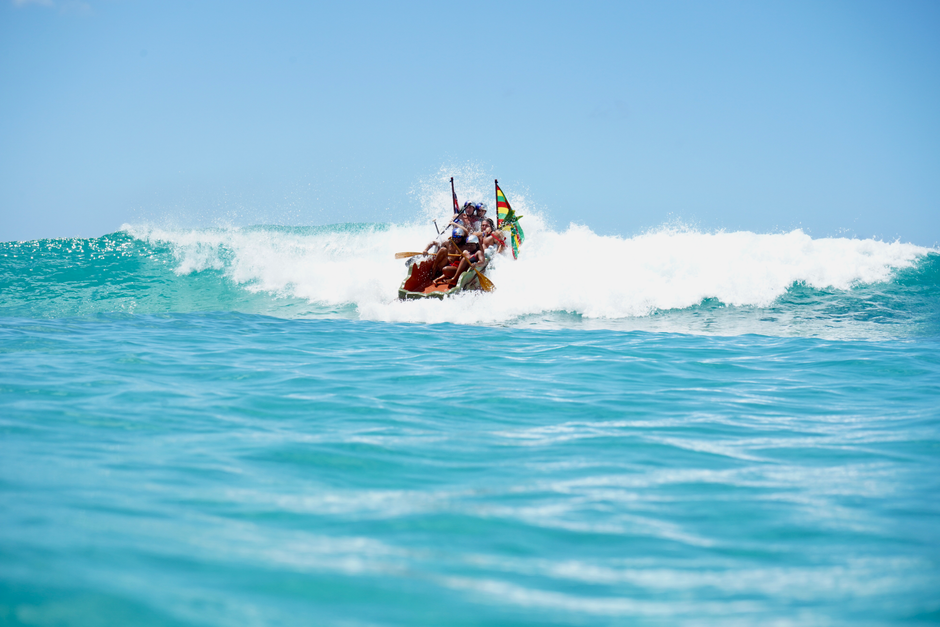
The wave ride is the payoff. The captain steers from the stern, watching the swells roll in and choosing the right moment to call for full power. The crew paddles hard, the canoe accelerates, and the hull begins to plane across the water's surface. The sensation is a surge of speed and a brief weightlessness as the wave pushes you toward shore. The ride ends when the canoe beaches itself on the sand or the captain calls for a stop. Then you turn around and do it again.
What to bring is straightforward: a swimsuit, sunblock, and a towel. You will get wet, from splash if nothing else. Reef-safe sunscreen is recommended to protect Hawaii's marine ecosystems. Leave valuables, phones without waterproof cases, and excess gear behind. Canoes have minimal dry storage, and anything not secured can end up in the ocean.
Age Requirements, Safety, and Accessibility
Age minimums vary by operator. Waikiki Beach Services sets the lowest bar at five years old. Faith Surf School requires participants to be at least eight. Big Wave Dave welcomes all ages without specifying a floor, though parents should use judgment for very young children. Kapua Waʻa and Waikiki Adventures do not publish explicit age minimums in their materials; check directly with the operator if you are traveling with small children.
Swimming ability is not a prerequisite. Waikiki Beach Services states plainly that non-swimmers can participate. The canoe itself provides stability, and life jackets are available upon request from every operator. Big Wave Dave notes the Coast Guard exemption that makes outrigger canoes the only ocean vessels not required to carry or mandate life jackets, but the option remains for anyone who wants one.
Group dynamics matter for solo travelers. Canoes hold between six and eleven people depending on the operator. If you are booking alone, you will likely be paired with other guests to meet minimums. Waikiki Beach Services staff will fill empty crew seats, which reduces the risk of a cancellation. Big Wave Dave's waitlist system serves the same purpose. If you prefer a private experience, Kapua Waʻa and the private charter tiers at Waikiki Beach Services and Faith Surf School eliminate the group variable entirely.
Boarding happens from the beach, not a dock. You will wade into ankle- or knee-deep water and climb aboard. Anyone with mobility limitations should discuss the process with the operator before booking. Most can accommodate with advance notice, but the beach launch is an inherent part of the experience that cannot be bypassed.
Best Time to Go: Seasonal Surf Conditions and Booking Tips
Waikiki outrigger canoe trips run year-round. There is no off-season, no months when operators shut down, and no period when the ocean is consistently unworkable. That said, surf conditions do shift with the seasons, and the difference between a summer morning and a winter afternoon is noticeable.
Summer months, roughly May through October, bring smaller, more consistent swells to Oahu's south shore. The water is calmer, the waves are gentler, and the experience skews toward accessibility. This is the ideal window for families with young children, first-timers, and anyone who wants the thrill of wave riding without the intensity of larger surf.
Winter, from November through April, sees bigger swells wrapping around the island. The waves are more powerful and the rides can be faster and longer. For confident ocean-goers and thrill-seekers, winter delivers a more adrenaline-heavy experience. For those who are nervous around water or traveling with small kids, it is worth checking conditions with your operator before booking a winter trip.
Time of day matters almost as much as season. Morning trips typically enjoy calmer winds and smaller crowds on the beach. The water surface is glassier, which makes for cleaner wave faces and smoother rides. Sunset trips trade ideal conditions for atmosphere: golden-hour light on Diamond Head, the beach beginning to quiet down, and a sense of closing out the day with something memorable. Both are excellent; the choice depends on whether you prioritize conditions or aesthetics.
Booking strategy is straightforward. Reserve in advance during peak holiday periods, especially the weeks around Christmas and New Year's, spring break in March and April, and the summer months of June through August. Walk-up availability exists but is not guaranteed during high-demand windows. For small groups that do not meet operator minimums, use Big Wave Dave's text-message waitlist or book with Waikiki Beach Services, where staff will fill the crew. Most operators use FareHarbor for online bookings, with links available directly on their websites.
The Cultural Significance of Outrigger Canoes in Hawaiʻi
The outrigger canoe, or waʻa, is not a tourist invention. It is one of the most important vessels in Pacific history, the craft that carried the first Polynesian voyagers to the Hawaiian Islands across thousands of miles of open ocean. Canoe surfing, known as heʻe nalu, was a sport reserved for Hawaiian royalty. The aliʻi had exclusive access to the best surf breaks and the finest canoes, and the act of riding waves was intertwined with status, spirituality, and connection to the sea.
Duke Kahanamoku changed that. Born in 1890 in Honolulu, Duke became an Olympic gold medalist in swimming and used his international fame to share Hawaiian water culture with the world. In the early 1900s, he began taking visitors out in outrigger canoes off Waikiki Beach, often with fellow members of the Waikiki Beach Boys, a group of native Hawaiian watermen who taught surfing, paddling, and canoe handling to tourists. That tradition, now more than a century old, is the direct ancestor of every outrigger canoe trip available in Waikiki today.
Modern stewardship efforts keep that legacy alive. The $1 Ocean Stewardship Fee collected on every trip funds conservation programs through the DLNR, supporting reef health, water quality monitoring, and coastal management. Operators like Kapua Waʻa go further, embedding community responsibility and cultural education into their business model. When you paddle out from Waikiki Beach, you are not just checking off a vacation activity. You are participating in a living Hawaiian tradition that has survived colonization, commercialization, and the passage of time, and that continues to connect visitors to the islands in a way that few other experiences can match.
How to Choose the Right Waikiki Outrigger Canoe Trip for You
The right operator depends on what you value most. Budget travelers should look first at Faith Surf School. At $35 per person, it is the cheapest entry point, and the shorter 15-to-20-minute duration may be plenty for those who want a taste rather than a full meal. Just know that the wave guarantee tops out at two rides.
Families with young children have two strong options. Waikiki Beach Services accepts kids as young as five and offers passenger seats for non-paddlers, which means a parent can ride alongside a child without both needing to paddle. Big Wave Dave welcomes all ages and has the largest canoe, making it easier to keep a family group together in one boat.
Groups seeking a private experience can compare Waikiki Beach Services at $400 for up to six guests, Faith Surf School at $350 for a private charter, and Kapua Waʻa starting at $175 for one to two guests. Kapua Waʻa's Kaimana Beach launch and cultural positioning give it an edge for those who want intimacy and meaning over pure wave count. Waikiki Beach Services offers the most structured private product with a full hour on the water and a dedicated captain.
Thrill-seekers should target winter months and operators with longer durations. Waikiki Adventures runs 30 to 45 minutes, the longest standard shared ride, and winter swells amplify the intensity. Big Wave Dave's larger canoe handles bigger surf differently than smaller craft, offering a different kind of ride in heavier conditions.
Cultural immersion seekers will find the deepest connection with Kapua Waʻa. The Kanaka-owned business, the Kaimana Beach location away from the central Waikiki bustle, and the memorial paddle-out service all signal a company that prioritizes tradition over transaction. For visitors who want their outrigger canoe trip to mean something beyond the adrenaline, this is the operator to book.
Frequently Asked Questions About Waikiki Outrigger Canoe Trips
Quick answers to the questions travelers ask most before booking.
Do you need to know how to swim?
No. Non-swimmers can participate in outrigger canoe trips. Life jackets are available upon request from all operators, and certified captains run every trip with safety as the priority. The canoe itself is stable, and you are seated throughout the ride. If you are uncomfortable in the water, let the captain know during the safety briefing, and they will accommodate you.
How many waves do you catch?
The guarantee varies by operator. Waikiki Beach Services promises three wave rides. Big Wave Dave guarantees two to three. Faith Surf School includes up to two waves. These are minimums, not caps. On a good day with cooperative surf, you may catch more. The captain's job is to read the conditions and put the canoe on as many rideable swells as time allows.
How long is the ride?
Shared rides range from 15 to 20 minutes at Faith Surf School to 30 to 45 minutes at Waikiki Adventures. Most standard trips fall in the 20-to-40-minute window. Private charters run a full hour at Waikiki Beach Services and Kapua Waʻa. The time on the water includes paddling out, positioning, waiting for waves, and the rides themselves.
Is it worth the price?
For most visitors, yes. At $35 to $48 for a shared ride, outrigger canoe surfing costs less than many Waikiki activities, including surf lessons, catamaran sails, and luaus. The combination of cultural significance, wave-riding thrill, and Diamond Head views delivers a return on investment that is hard to match. Private charters at $175 to $400 are a different calculation, best justified for groups, special occasions, or travelers who want a personalized experience without strangers aboard.
What is the history of outrigger canoe surfing?
Canoe surfing originated as a sport for Hawaiian royalty, the aliʻi, who had exclusive access to the best waves and canoes. In the early 1900s, Duke Kahanamoku and the Waikiki Beach Boys began taking tourists out in outrigger canoes, transforming a royal tradition into an accessible ocean experience. That practice has continued uninterrupted for more than a century and forms the foundation of every outrigger canoe trip available in Waikiki today.
Getting There: Launch Locations, Parking, and Logistics
Most operators launch from central Waikiki Beach near the Duke Kahanamoku statue, an easy walk from the major resorts along Kalakaua Avenue. If you are staying in Waikiki, you can likely reach your check-in point on foot in under 15 minutes. The statue itself serves as a useful landmark for finding your operator's beach setup.
Kapua Waʻa is the exception, operating from Kaimana Beach at the Diamond Head end of Waikiki. This is a quieter stretch of sand, about a 15-to-20-minute walk from the central beach area or a short rideshare trip. The tradeoff is a less crowded launch and a different perspective on the coastline.
Parking near Waikiki Beach is limited. Street parking is scarce, and paid lots fill quickly, especially on weekends and during peak seasons. Rideshare services or walking are the most reliable options for visitors staying in the resort corridor. If you are driving in from elsewhere on Oahu, budget extra time for parking and factor garage fees into your trip cost.
Plan to arrive 15 to 20 minutes before your scheduled trip time. Operators use this window for check-in, waivers, safety briefings, and paddle assignments. Showing up late means a rushed orientation or, in some cases, forfeiting your slot. Leave valuables, non-waterproof phones, and anything you do not want soaked or lost back at your hotel. Dry storage on the canoe is minimal to nonexistent.
Final Thoughts: Is a Waikiki Outrigger Canoe Trip Worth It?
The short answer is yes. For the vast majority of visitors, an outrigger canoe trip becomes a highlight of a Waikiki vacation. It delivers a wave-riding thrill without the barrier to entry of surfing, it connects you to a Hawaiian tradition that predates the hotels and high-rises, and it gets you onto the water with Diamond Head framing every view. At $35 to $69 per person for a shared ride, the cost is reasonable by any measure of Waikiki activity pricing.
For the best overall balance of price, duration, and wave guarantee, Waikiki Beach Services leads the pack. Three guaranteed waves, a $48 price point, a minimum age of five, and a clear policy of filling crew seats for solo travelers make it the safest recommendation for most groups. Faith Surf School takes the budget crown at $35, ideal for travelers who want the experience without spending more than necessary, provided the shorter duration and two-wave cap are acceptable. Kapua Waʻa stands alone for cultural depth, offering a Kanaka-owned, community-rooted alternative that trades volume for meaning and launches from a quieter beach.
Book in advance, arrive early, wear reef-safe sunscreen, and come ready to paddle. The memories cost less than dinner at a nice Waikiki restaurant, and they last far longer.
