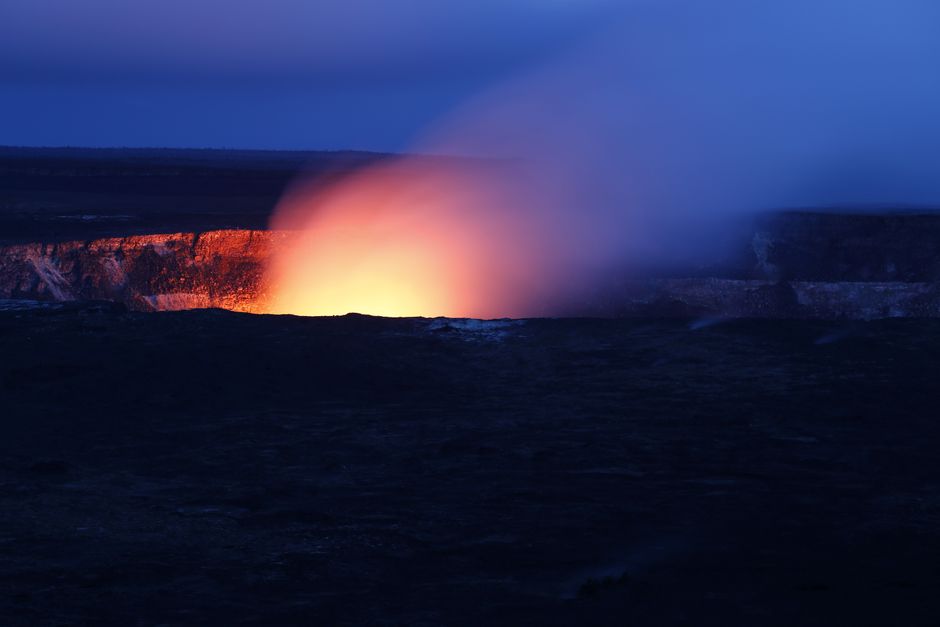
If you are planning on visiting Volcano National Park in 2026, you need a strategy that balances must-see attractions with real-time conditions. This park is not a simple drive-through destination. It is a sprawling, 354,461-acre landscape that climbs from sea level to 13,681 feet, encompassing two of the world’s most active volcanoes. Weather can shift from sun to rain in minutes, eruption activity can change overnight, and crowds can turn a serene crater overlook into a traffic jam. This guide covers everything you need to know: fees, hours, crowd avoidance, top hikes, safety protocols, and how to check eruption status before you arrive. By the time you finish reading, you will have a complete, actionable plan for a memorable visit.
Table of Contents
- Why Visiting Volcano National Park Is a Must-Do in 2026
- Essential Logistics for Your 2026 Visit
- How to Avoid Crowds at Volcano National Park
- Top Attractions and Must-Do Activities
- Self-Guided vs. Guided Tours: Which Is Right for You?
- Safety, Weather, and What to Pack
- Planning Your Visit with Kids and Family
- Where to Stay and Camping Options
- Frequently Asked Questions About Visiting Volcano National Park
- Final Tips for a Memorable 2026 Visit
Why Visiting Volcano National Park Is a Must-Do in 2026
Hawaii Volcanoes National Park holds dual designations as a UNESCO World Heritage Site and an International Biosphere Reserve, a rare combination that signals both cultural significance and ecological importance. The park is home to Kīlauea and Mauna Loa, two active volcanoes that offer visitors a front-row seat to ongoing geological processes found almost nowhere else on Earth. Kīlauea has been in nearly continuous eruption since 1983, and Mauna Loa most recently erupted in 2022, so the odds of witnessing steam vents, volcanic glow, or even active lava flows in 2026 remain high. With over 1.3 million annual visitors, this is the number one natural attraction in Hawaii. But a rewarding visit demands preparation. The park rewards those who plan ahead and punishes those who treat it as a quick photo stop.
Essential Logistics for Your 2026 Visit
Entrance Fees and Passes
The entrance fee for a private, non-commercial vehicle is $30, which covers up to 14 passengers and is valid for seven consecutive days. Motorcycles pay $25, and pedestrians or bicyclists pay $15 per person. That seven-day window makes multi-day visits an excellent value, especially if you want to explore both the summit area and the less-visited Kahuku Unit. If you hold an America the Beautiful interagency annual pass, your entry is covered. Given that a single visit costs $30 and the annual pass runs $80, frequent national park visitors should do the math before arriving.

Park Hours and Best Times to Arrive
The main park is open 24 hours a day, 365 days a year. The Kahuku Unit, located on the park’s southern end, operates on a reduced schedule: Thursday through Sunday, 8 a.m. to 4 p.m. The peak congestion window runs from 10 a.m. to 3 p.m., when entrance station lines stretch long and popular trailheads fill up. Arrive before 9 a.m. or after 4 p.m. to avoid the worst of it. A lesser-known factor: cruise ship days in Hilo create a secondary surge from 11 a.m. to 2 p.m. Check the Hilo cruise ship schedule when choosing your dates. A Tuesday morning visit looks very different from a Wednesday when two ships are in port.
Getting There: Directions from Hilo and Kona
From Hilo, the drive takes roughly 45 minutes. Head south on Highway 11 for about 30 miles; the park entrance sits between mile markers 28 and 29. From Kailua-Kona, budget at least 2.5 hours for the 96-mile journey. You can take Highway 11 the entire way, or use the Saddle Road (Highway 200) for a faster route that cuts between Mauna Loa and Mauna Kea, though it offers fewer coastal views. Remember that the Kīlauea summit sits at 4,000 feet. Temperatures there run 12 to 15 degrees Fahrenheit cooler than at sea level. A warm, sunny morning in Hilo can translate to a chilly, misty afternoon at the crater rim. Pack layers accordingly.
How to Avoid Crowds at Volcano National Park
Crowd avoidance at this park comes down to timing and sequencing. Arrive before 9 a.m. or after 4 p.m. to sidestep the 10 a.m. to 3 p.m. crush. Weekdays are consistently quieter than weekends, and holiday periods bring the heaviest traffic of the year. Once inside, make the Kīlauea Visitor Center your first stop. Pick up a map, confirm current conditions, and use the restroom before heading deeper into the park. If you are visiting on a Thursday through Sunday, consider driving directly to the Kahuku Unit, which rarely sees significant crowds even during peak hours. The NPS app and the USGS live webcam feed are your best real-time planning tools. Check both before you leave your hotel to see what is happening at the summit and adjust your route accordingly. A self-guided drive on Crater Rim Drive or Chain of Craters Road also lets you set your own pace and bypass tour bus groups that move on fixed schedules.
Top Attractions and Must-Do Activities
The Crater Rim Drive Loop
This 11-mile loop circles the Kīlauea summit caldera and provides access to several major overlooks, including Kīlauea Overlook and Steaming Bluff. Start at the visitor center to get the latest on trail closures and eruption updates, then drive the loop clockwise. Budget one to two hours with stops. The views into Halemaʻumaʻu crater are dramatic even when lava is not visible, with steam rising from vents and the massive caldera floor stretching out below.
Kīlauea Iki Trail and Thurston Lava Tube
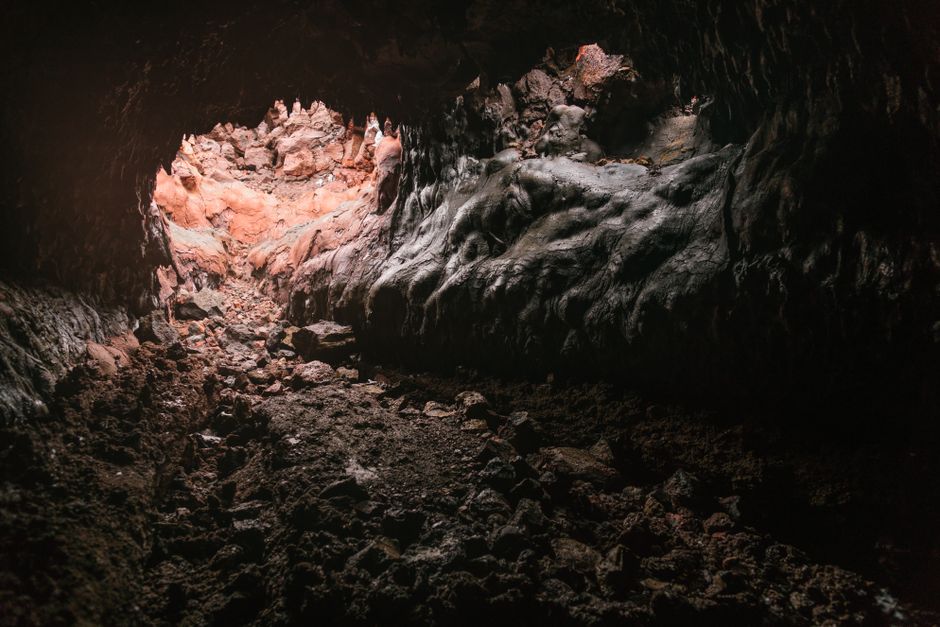
The Kīlauea Iki Trail is a 4-mile loop that descends through a lush rainforest before dropping onto the solidified lava lake floor of the crater. Walking across the cracked, still-warm-feeling surface is one of the park’s signature experiences. The trail is moderately difficult and takes two to three hours. Across the same parking area, the Thurston Lava Tube (Nāhuku Trail) offers a short, easy walk through a 500-year-old lava tube lit by electric lights. This is the park’s most popular attraction, and the line backs up quickly. Hit it before 9 a.m. or after 4 p.m. to avoid a long wait. Combining both makes for an excellent half-day itinerary.
Chain of Craters Road
This 20-mile scenic drive descends 3,700 feet from the summit to the coast, winding past pit craters, ancient lava flows, and panoramic ocean views. The road ends at the Holei Sea Arch, a dramatic rock formation carved by waves. Allow two to three hours for the round trip with photo stops. There are no services, no gas stations, and no food vendors along this road. Fill your tank and bring water before you start.
Nighttime Lava Viewing (When Active)
When lava activity is present, the after-dark glow from Halemaʻumaʻu crater is the park’s most sought-after sight. The best viewpoints include Kīlauea Overlook, Steaming Bluff, Volcano House, and Waldron Ledge. The glow intensifies after sunset, and the experience of watching the crater pulse with orange light in near silence is unforgettable. Bring a flashlight with a red-light setting to preserve your night vision, and wear warm layers. Conditions change daily, sometimes hourly. Check the USGS webcam or NPS alerts before heading out after dark.
The Kahuku Unit (The Crowd-Free Alternative)
The Kahuku Unit occupies the park’s southern flank and operates Thursday through Sunday, 8 a.m. to 4 p.m. This area was once a cattle ranch and offers a completely different experience from the summit: rolling pastures, forested trails, and panoramic views with almost no other visitors. Trails like the Palm Trail and the Puʻu Lokuana Trail provide easy to moderate hikes through native forest and along old ranch roads. If you have a second day in the park or want a break from the summit crowds, Kahuku delivers solitude and a deeper sense of the park’s ecological diversity.
Self-Guided vs. Guided Tours: Which Is Right for You?
A self-guided visit costs nothing beyond the entrance fee. Crater Rim Drive and Chain of Craters Road function as built-in tour routes, and the NPS app provides audio commentary that turns your phone into a ranger-led experience. This option works well for independent travelers with a rental car and a full day to explore.
Guided tours add cultural and geological context that most visitors would otherwise miss. A knowledgeable guide can explain the significance of petroglyphs, describe the science behind volcanic activity, and share Native Hawaiian stories tied to the landscape. Tours also handle transportation, which appeals to visitors short on time or uncomfortable driving winding roads after dark. Costs range from roughly $100 to $300 per person depending on whether you choose a van-based tour, a hiking-focused excursion, or a helicopter flight.
If you have a full day and a sense of adventure, self-guided is sufficient. If you want nighttime lava viewing with an expert or deeper cultural insight, a guided tour justifies the expense.
Safety, Weather, and What to Pack
Weather at the summit is unpredictable. Temperatures run 12 to 15 degrees Fahrenheit cooler than at the coast, and rain showers can arrive without warning. Dress in layers and carry a waterproof jacket, even if the morning looks clear. Sturdy hiking shoes are non-negotiable. Volcanic terrain is sharp, uneven, and unstable. Stay on designated trails at all times; crater edges can collapse without warning, and closed areas are closed for a reason. Take the Pono Pledge, a commitment to respect the land and act safely.
Your packing list should include sun protection (hat, sunscreen, sunglasses), at least one liter of water per person, high-energy snacks, a flashlight or headlamp, and a fully charged phone with the NPS app downloaded for offline use. When Kīlauea is actively degassing, vog (volcanic smog) can reduce air quality and cause respiratory irritation. Those with asthma or other conditions should check air quality alerts on the NPS website before visiting. The Kīlauea Visitor Center serves as the main hub for ranger assistance and first aid.
Planning Your Visit with Kids and Family
The Junior Ranger Program gives kids aged 12 and under a free activity workbook, available at the Kīlauea Visitor Center. Completing the activities earns them a badge and gives families a structured way to engage with the park’s geology and culture. Kid-friendly trails include the Thurston Lava Tube, which is short and easy; the Kīpuka Puaulu Trail, a 1.2-mile loop with excellent birdwatching; and the Sulphur Banks boardwalk, which is paved and wheelchair accessible. Keep children close near crater overlooks, explain that volcanic gases can be harmful, and bring more snacks and water than you think you will need. The Volcano Art Center, located near the visitor center, offers cultural exhibits and works by local artists, providing an educational indoor stop if weather turns.
Where to Stay and Camping Options
Inside the park, Volcano House is the only hotel. This historic lodge sits on the rim of the Kīlauea caldera and offers unmatched proximity to the crater. Book six to twelve months in advance for peak travel seasons (December through April and June through August). Nāmakanipaio Campground, also inside the park, operates on a first-come, first-served basis with nightly fees ranging from $10 to $20. No RV hookups are available.
Just outside the park entrance, Volcano Village offers vacation rentals, bed-and-breakfasts, and a handful of restaurants. The five-minute drive makes it a convenient base. Hilo, 45 minutes away, provides more budget-friendly hotel options and a wider range of dining. Two drive-up campgrounds serve the park (Nāmakanipaio and Kīpukakī), and backcountry camping permits are available at the visitor center for those seeking a more remote experience.
Frequently Asked Questions About Visiting Volcano National Park
Can you visit without a tour? Yes. Self-guided driving tours on Crater Rim Drive or Chain of Craters Road are free with park entry and provide access to all major overlooks and trailheads.
Is the park worth visiting when lava is not flowing? Absolutely. The park offers hiking trails, cultural sites, a walkable lava tube, steam vents, and stunning crater views regardless of current eruption activity. Many visitors find the landscape just as compelling during quieter periods.
Are pets allowed? Pets are permitted only in developed areas such as roads, parking lots, and campgrounds. They must be leashed at all times and are not allowed on trails or in the backcountry.
Is the park wheelchair accessible? The Kīlauea Visitor Center, Volcano House, and several overlooks including Kīlauea Overlook and Steaming Bluff are wheelchair accessible. The Sulphur Banks boardwalk is paved and accessible as well.
Where can I watch sunrise or sunset? For sunrise, Kīlauea Overlook offers a dramatic view of the caldera as light fills the crater. For sunset, the overlooks along Chain of Craters Road or the Volcano House lanai provide sweeping views as the sky changes color over the volcanic landscape.
Final Tips for a Memorable 2026 Visit
Check the USGS live webcam and NPS alerts the morning of your visit. Eruption status, road closures, and air quality can shift overnight. Download the NPS app for offline maps and audio tours before you arrive; cell service inside the park is unreliable. Always carry a backup plan. If weather, vog, or unexpected closures disrupt your itinerary, the Kahuku Unit offers a reliable alternative with a completely different landscape. Respect the cultural and natural significance of this place. Take the Pono Pledge, stay on marked trails, and leave no trace of your visit behind. The park gives generously to those who approach it with preparation and respect.
