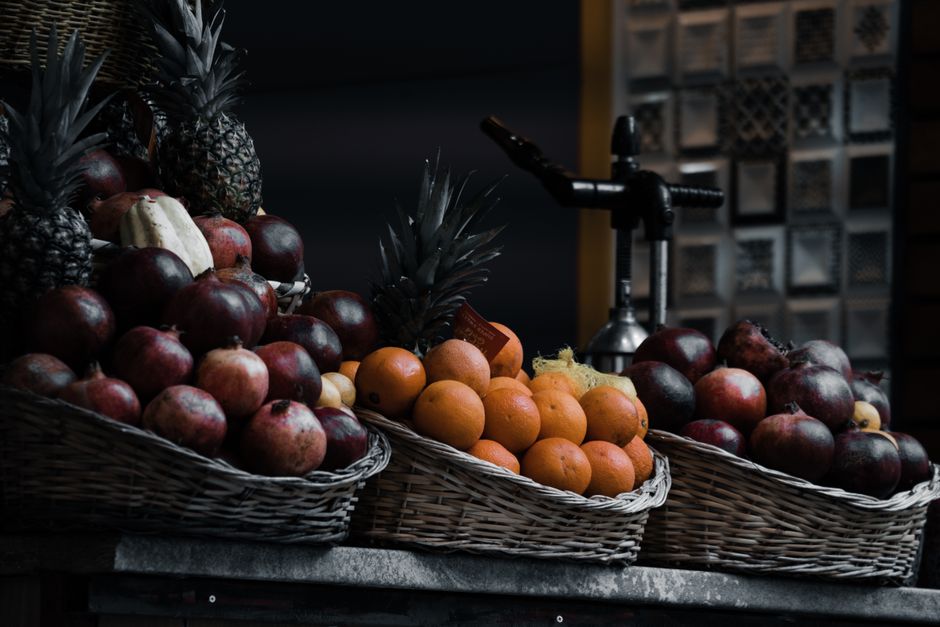
Maui farmers markets are far more than a pleasant morning outing for vacationers. On an island that imports an estimated 85% of its food, these markets represent a critical lifeline to fresh, locally grown produce and a direct connection to the people who cultivate the land. Yet for visitors, the scattered schedules and wide geographic spread of markets across the island can turn a simple grocery run into a logistical puzzle. By the end of this guide, you will know exactly which market to visit on any day of your trip, what to buy, and how to shop like a local. We have organized the information by day of the week, by region, and by what makes each market worth your time, so you can spend less time planning and more time tasting. And for anyone wondering whether Maui farmers markets survived the disruptions of recent years, the answer is a clear yes: the vast majority remain open and thriving in 2026, with some West Maui vendors relocated but still very much in business.
Table of Contents
- Why Maui Farmers Markets Matter More Than Ever
- Maui Farmers Markets by Day of the Week
- Best Maui Farmers Markets by Region
- What to Buy at Maui Farmers Markets
- Maui Farmers Market vs. Fruit Stand: What's the Difference?
- Practical Tips for Visiting Maui Farmers Markets
- Maui Farmers Market Seasonal Produce Calendar (2026)
- Frequently Asked Questions About Maui Farmers Markets
- Conclusion: Your Maui Market Game Plan
Why Maui Farmers Markets Matter More Than Ever
The statistic bears repeating: Maui imports roughly 85% of its food. That figure alone transforms a farmers market from a charming weekend diversion into essential community infrastructure. Every papaya, bunch of bananas, or jar of lilikoi butter purchased directly from a grower keeps dollars circulating on the island, supporting families who have often farmed the same plots for generations. The economic ripple effect is substantial, reaching beyond the farmer to the beekeeper who pollinates the crops, the baker who turns excess fruit into bread, and the musician who plays for tips under a tent.
The 2023 Lahaina fires reshaped parts of West Maui's vendor landscape, but the story since then has been one of resilience. Many growers and food producers who lost their usual market spots have found homes at Napili, Olowalu, and other markets across the island. Shopping local in 2026 is a tangible way to participate in that recovery, even if you are only on Maui for a week.
Beyond economics, these markets function as genuine community gathering places. On a Saturday morning in Pukalani, you will stand in line for coffee alongside chefs from resort kitchens, longtime upcountry residents, and first-time visitors who wandered up the mountain on a tip. The exchange is cultural as much as commercial. And then there is the freshness factor: produce at Maui farmers markets is often harvested within 24 to 48 hours of sale, compared to the one to two weeks typical for imported grocery store alternatives. You can taste the difference immediately.
Maui Farmers Markets by Day of the Week
If you have ever searched "What day is Maui farmers market?" and felt confused by the answers, you are not alone. The island does not have a single market day. Instead, markets operate across all seven days, with Saturday dominating the calendar. This breakdown solves the scheduling puzzle once and for all.
Saturday: The Biggest Market Day
Saturday morning on Maui belongs to the farmers markets, and the undisputed anchor is the Upcountry Farmers Market in Pukalani. Widely described as Maui's most well known market and the place to be on Saturday mornings, this gathering draws more than 20 vendors to a parking lot setting that hums with energy from the moment it opens. The elevation keeps mornings cool, and the vendor mix skews heavily toward actual farmers rather than craft sellers, though you will find both. The star attraction for many is the 'Aina Tacos stand, a farm-to-table operation that turns market produce into some of the best breakfast tacos you will eat anywhere. Arrive early, bring cash, and plan to stay a while.
Over on the west side, the Napili Farmers Market runs its Saturday edition with 15 to 20 vendors and a strict local-only policy. Every product sold here comes from Maui, sourced from a network of 50 different growers. The quality control is evident, and the setting, tucked into the Napili Plaza parking lot, is low-key and unhurried compared to the Upcountry bustle.

In Kahului, the Maui Swap Meet operates as a Saturday morning institution that blends farmers market produce with local crafts, secondhand goods, and food stalls. It is less produce-focused than Upcountry but offers a broader browsing experience for visitors who want souvenirs alongside their mangoes. Additional Saturday options include the Ko Mahi'ai Makeke market, the Lipoa Street market, and the Long's Drugs Kihei lot market, giving south and central Maui plenty of choices.
Wednesday: The Midweek Pick
Wednesday serves as the secondary market day, ideal for visitors whose itineraries do not include a Saturday on the island. The Napili Farmers Market runs a Wednesday edition with slightly fewer vendors than its Saturday counterpart but the same commitment to 100 percent local Maui-made products. Quality does not dip midweek.
For those staying in South Maui, Farmers Market Maui in Kihei operates Monday through Saturday from 7 AM to 4 PM, making it the most reliable midweek option regardless of which day you need. With a 4.3-star rating from 157 Yelp reviews, it has earned a reputation for consistency and variety. The Wailea Village Farmers Market, established in 2021, also merits a Wednesday check, though its signature event is the first-Thursday sunset market, which we will cover in the regional section.
Daily and Multi-Day Markets
The Olowalu Farmers Market deserves special mention for sheer convenience. Family-owned and operated since 2004, this market is open seven days a week, making it the most dependable stop on the island. Its location along the main coastal road between Maalaea and Lahaina positions it perfectly for anyone driving the west side, and its daily hours eliminate the need to plan around a schedule.
Farmers Market Maui in Kihei runs six days a week, Monday through Saturday, closing only on Sunday. For visitors staying in Kihei, Wailea, or Makena, this is the default option for fresh produce without a long drive. Sunday remains the quietest market day on Maui, with limited options. If you need produce on a Sunday, Olowalu is your best bet, or you can plan ahead and stock up on Saturday.
Best Maui Farmers Markets by Region
Maui's geography shapes its agriculture, and the markets reflect that diversity. Upcountry's cool elevations produce crops that would struggle at sea level, while coastal markets often feature more tropical fruit and ocean-adjacent goods. This regional breakdown pairs the best markets with what makes each area distinct.
Upcountry: The Agricultural Heartland
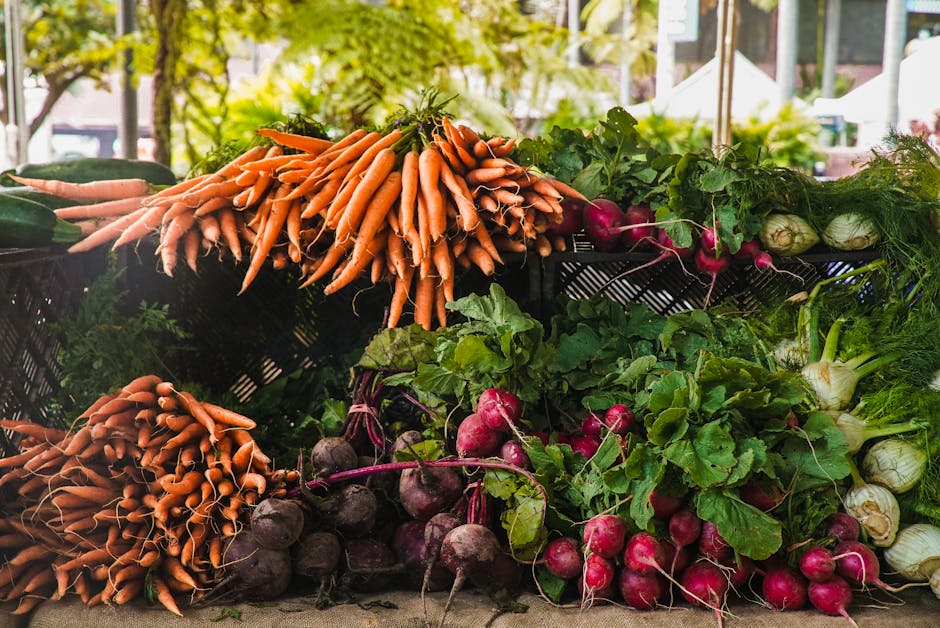
The Upcountry Farmers Market in Pukalani earns its crown jewel status through a combination of reputation, vendor count, and sheer quality of produce. The higher elevation growing conditions yield strawberries, leafy greens, sweet corn, and other crops that thrive in cooler air, and the farmers who sell here tend to be the ones who grew the food themselves. There is little reselling of imported goods, which cannot be said for every market on the island. The farm-to-table taco experience alone justifies the drive up the mountain, but the real draw is the produce: vibrant bunches of kale, carrots with the dirt still clinging to them, and strawberries that taste like they were picked that morning because they were.
Pair a Saturday market visit with a trip to Ali'i Kula Lavender, a 13.5-acre farm perched at roughly 4,000 feet elevation. The farm is home to approximately 55,000 lavender plants spanning 20 varieties, and the blooming peaks during summer months from June through August. Even outside peak bloom, the grounds offer sweeping views of the central valley and a peaceful counterpoint to the market's morning energy.
West Maui: Recovery and Resilience
The Napili Farmers Market has emerged as the west side's anchor, a role it has filled since its founding in 2012 with the explicit mission of supporting local food supply. The market works with 50 different growers across Maui and enforces a strict local-only product policy. Descriptions like "hands down one of the best" appear frequently in visitor reviews, and the market's consistency through the post-fire years has only strengthened its reputation. While Lahaina-area markets faced severe disruption after 2023, Napili remained operational and has absorbed vendors displaced from other locations. Shopping here in 2026 directly supports that recovery network.
Further south along the coast, the Olowalu Farmers Market offers a completely different experience. Open daily since 2004, this family-owned roadside market doubles as an attraction thanks to its butterfly farm tour. Visitors can hold hibiscus flowers and watch butterflies feed, a quiet, unexpected delight that makes the stop memorable beyond the produce. Olowalu also offers a practical service few other markets provide: they can assist visitors in shipping Maui-made goods back home, though fresh fruit and bread are excluded from shipping. For anyone wanting to send gifts without lugging them through the airport, this is a valuable option.
South Maui: Convenient and Hidden Gems
South Maui's market scene has expanded in recent years, giving visitors from Kihei to Makena more options than ever. Farmers Market Maui in Kihei remains the workhorse, open Monday through Saturday from 7 AM to 4 PM with a solid 4.3-star rating from 157 Yelp reviews. It is not the most atmospheric market on the island, but it is reliable, well-stocked, and easy to fit into a beach day schedule.
The Wailea Village Farmers Market, which opened in 2021, brings roughly 20 vendors to an upscale setting. Its standout feature is the first-Thursday sunset market, running from 4 PM to 7 PM, a rare evening format that lets visitors shop without the morning rush. The timing pairs well with a sunset dinner in Wailea, and the vendor mix leans toward prepared foods and crafts alongside produce.
For atmosphere, the South Maui Gardens Farmers Market earns its description as a hidden gem within a hidden gem. Set within a 7-acre shaded nursery, the market feels lush and secluded, a green oasis in the dry South Maui landscape. The nursery setting means you are shopping surrounded by mature plants and trees, and the vendors are curated to match the setting's relaxed, garden-party vibe. It is the kind of place you stumble upon and then tell all your friends about.
East Maui and Central Maui: Off the Beaten Path
The Hana side of the island does not host a traditional farmers market in the same way, but food-focused travelers should know about Kahanu Garden, part of the National Tropical Botanical Garden network. The garden holds the world's largest collection of breadfruit cultivars and is home to Pi'ilanihale Heiau, believed to be the largest ancient man-made structure in Polynesia. While you cannot shop for produce here, the educational value for anyone interested in Hawaiian food plants is immense, and the breadfruit collection alone justifies the visit.
Central Maui, particularly around Kahului, offers practical options for visitors who want to combine a market stop with other errands. The Maui Swap Meet on Saturday mornings sits close to Kahului Airport, making it a convenient first or last stop. For the traveler who lands on a Thursday and plans a Costco run, the nearby markets in Kahului and Wailuku fill in the fresh produce gap that a warehouse store cannot address. The Maui County Farm Bureau lists more than 20 distinct farmers markets across Central, East, South, Upcountry, and West Maui, plus markets on Lana'i and Molokai, a resource worth consulting for the truly dedicated market enthusiast.
What to Buy at Maui Farmers Markets
Walking into a Maui farmers market without a plan can be overwhelming in the best way. The abundance of unfamiliar fruits, the scent of fresh-baked banana bread, the colorful jars of preserves: knowing what to prioritize helps you make the most of your visit.
Tropical fruits are the obvious starting point. Mangoes, papayas, pineapples, and dragon fruit appear at most markets, though availability depends on the season. Mango season typically runs from May through October, with peak availability from June to August. Look for Haden, Kent, and Rapoza varieties, each with a distinct flavor profile and texture. Papayas and pineapples are available more consistently year-round, and the difference between a market papaya and a grocery store import is stark: the market fruit will be softer, sweeter, and more aromatic.
Specialty items reward the curious shopper. Lilikoi butter, made from passion fruit, is a Maui staple that spreads beautifully on toast or pancakes. Banana bread, often baked fresh that morning, appears at nearly every market and varies by vendor: some versions are dense and nutty, others light and cake-like. Fresh fish, when available, comes directly from local fishermen and sells out quickly. Macadamia nuts and locally roasted coffee round out the edible souvenir category, both easy to pack and impressive to gift.
Breadfruit, known as ulu in Hawaiian, deserves special attention. This starchy fruit has been a staple food in Hawaii for centuries, and its culinary versatility is remarkable: it can be roasted, fried, mashed, or turned into flour. Kahanu Garden near Hana offers deeper education on breadfruit's cultural significance and its many cultivars, but you will find fresh ulu at markets across the island, particularly from June through February.
For a deeper dive, book a farm-to-table experience. La Kāhea Community Farm offers a Taste of Hawaii Farm Tour and a Farm-To-Table Cooking Class that connect the dots between market produce and the finished plate. These fill up in advance, so plan ahead if the idea of harvesting and cooking your own meal appeals.
Gift shoppers will find Maui-made crafts, soaps, candles, and packaged foods at most markets. Olowalu Farmers Market can assist with shipping these items home, a service that saves luggage space and hassle. Just remember that fresh fruit and bread cannot be shipped.
On pricing, expect to pay roughly $3 to $6 for a papaya, $5 to $8 for a bunch of bananas, and $8 to $12 for a small bag of macadamia nuts. These prices are comparable to or slightly below what you would pay at a Maui grocery store for equivalent quality, and the freshness advantage makes the value proposition clear. Bring cash: while card acceptance is growing, many vendors remain cash-only, and ATMs are not always available on site.
Maui Farmers Market vs. Fruit Stand: What’s the Difference?
The distinction matters when you are planning your shopping. A farmers market brings multiple vendors together under one umbrella, offering variety across produce, prepared foods, and crafts in a single stop. A fruit stand is a single-farm operation, typically a roadside table or small structure selling one farm's harvest directly to passersby.
Why does this matter for your itinerary? Markets offer the one-stop experience: you can buy papayas, banana bread, coffee, and a handmade soap in twenty minutes. Fruit stands offer direct farm provenance and often lower prices, since there is no middleman and no market fee for the farmer. The Road to Hana is lined with fruit stands that exemplify the single-farm model, often operating on an honor system with a cash box and hand-lettered signs. The smart approach is to visit both: markets for variety, atmosphere, and the social experience, and roadside stands for specific farm-direct purchases when you spot something irresistible from the car window.
Practical Tips for Visiting Maui Farmers Markets
A little preparation transforms a good market visit into a great one. Start with timing: the best selection happens in the first hour after opening. Popular items like fresh fish, specialty breads, and limited-harvest fruits sell out quickly, and the most knowledgeable vendors have time to chat before the crowds build. If you want the full experience, set an alarm.
Cash remains king at Maui farmers markets in 2026. While an increasing number of vendors accept credit cards or mobile payments, you cannot count on it, and the vendor with the best mangoes might be cash-only. Hit an ATM before you arrive, and bring small bills to make transactions smoother for everyone.
Market hours can shift seasonally or due to weather, and social media is the most reliable place to confirm that a market is operating as usual. Check the market's Facebook or Instagram page the day before your visit, especially if rain is in the forecast or you are visiting during a holiday week.
Parking deserves a moment of planning. The Upcountry Farmers Market lot fills quickly, and late arrivals may find themselves walking from a distance. South Maui Gardens offers shaded parking, a blessing on hot days, but spaces are limited. Arrive with patience and a backup plan if the main lot is full.
Engage with vendors. The farmers and food producers at these markets are generous with their knowledge, happy to share growing tips, recipe ideas, and tasting suggestions. Asking how to prepare an unfamiliar fruit or what variety of mango is sweetest that week is not a nuisance; it is part of the market culture and often leads to the best discoveries.
If you plan to ship goods home, ask vendors about shipping options at the time of purchase. Olowalu Farmers Market offers this service, but fresh fruit and bread are always excluded. For everything else, shipping lets you shop without worrying about suitcase space.
Bring reusable bags. Many vendors do not provide plastic bags, and even those that do appreciate customers who come prepared. A sturdy tote or two will handle your haul and align with the island's eco-conscious ethos.
Maui Farmers Market Seasonal Produce Calendar (2026)
No comprehensive seasonal calendar existed for Maui farmers markets until now. This guide fills that gap, helping you know what to expect during your visit.
Year-Round Staples
Bananas, papayas, pineapple, coconut, sweet potatoes, taro, and fresh fish are generally available throughout the year. These staples form the backbone of any market haul and are a safe bet regardless of when you visit. The quality may peak in certain months, but you will rarely find a market without them.
Seasonal Highlights
Mango season runs from May through October, with peak availability concentrated in June, July, and August. The Haden, Kent, and Rapoza varieties each have their moment, and serious mango lovers plan trips around this window. The fragrance alone at a market stall during peak mango season is worth the visit.
Lilikoi, or passion fruit, peaks during the winter and early spring months from December through April. The wrinkled purple skins signal ripeness, and the tart, aromatic pulp inside is used for everything from butter to cocktails to cheesecake.
Lavender in Upcountry blooms most heavily during the summer months of June through August. If you are combining a visit to Ali'i Kula Lavender with the Upcountry Farmers Market, summer timing maximizes the lavender fields' visual and aromatic impact.
Breadfruit availability spans roughly June through February, with a lull in spring. The peak varies by cultivar, and Kahanu Garden's collection of breadfruit varieties means something is usually in season during that window.
Strawberries from Upcountry benefit from the cooler elevation growing conditions and are available from November through April, a winter-to-spring window that surprises visitors who associate strawberries with summer.
Frequently Asked Questions About Maui Farmers Markets
What is the best farmers market in Maui? The answer depends on your priorities. Napili offers a local-only product guarantee and works with 50 growers, making it the choice for purists. Upcountry delivers the best Saturday atmosphere and the highest concentration of actual farmers. Olowalu wins on convenience with its seven-day schedule and roadside location.
What day is Maui farmers market? Markets operate every day of the week across the island. Saturday is the busiest day, with Upcountry, Napili, the Maui Swap Meet, and several others running simultaneously. Wednesday is the strongest midweek option. Olowalu and Kihei offer daily or near-daily access.
Is the farmer's market in Maui closing? No. While the 2023 Lahaina fires disrupted some West Maui operations, the vast majority of markets remain open and thriving in 2026. Some vendors have relocated to Napili, Olowalu, and other markets, but the market ecosystem as a whole is intact and growing.
Do Maui farmers markets accept credit cards? Acceptance is mixed and growing, but cash remains the safest bet. Bring small bills and expect that some of the best vendors will be cash-only.
Are Maui farmers markets expensive? Prices are comparable to or slightly below Maui grocery store prices for equivalent quality. You are paying for freshness, local provenance, and the chance to support Maui farmers directly, and most visitors find the value excellent.
Conclusion: Your Maui Market Game Plan
Maui farmers markets reward a little advance planning with some of the freshest, most memorable food experiences on the island. If your trip includes a Saturday, make the Upcountry Farmers Market your priority and arrive early. For daily convenience, Olowalu and Kihei have you covered. If a local-only guarantee matters, Napili delivers. Wherever you are staying on Maui, a worthwhile market is within reach, and every dollar you spend there supports the island's food security and the families who grow its food. Bookmark this guide, check a market's social media page before you head out, and enjoy the freshest taste of Maui in 2026.
