When it comes to museums in Honolulu, the city offers far more than postcard-perfect beaches and swaying palm trees. This is the cultural capital of the Pacific, a place where royal palaces, world-class art collections, and deeply moving historic sites compete for your attention alongside the surf breaks. But with dozens of options scattered from downtown to Waikiki and beyond, choosing where to spend your time can feel overwhelming. This guide cuts through the noise. By the time you finish reading, you will know exactly which museums match your interests, your budget, and your schedule, whether you are a family looking for hands-on science exhibits, a history buff tracing the story of Hawaiian sovereignty, an art lover chasing a quiet courtyard afternoon, or a traveler stuck with a sudden tropical downpour and a need for an indoor escape. We cover the marquee institutions, the free hidden gems, the Pearl Harbor complex, and the logistics that official websites often bury. Consider this your 2026 roadmap to the best museum experiences Honolulu has to offer.
Table of Contents
- Why Honolulu's Museums Deserve a Spot on Your Itinerary
- The Big Three: Honolulu's Must-Visit Museums
- Free Museums in Honolulu: Culture on a Budget
- Pearl Harbor: A Museum Destination Unto Itself
- Museums Near Waikiki: Convenient Culture Steps from Your Hotel
- Specialty and Off-the-Beaten-Path Museums Worth Your Time
- How to Choose: Matching Museums to Your Travel Style
- Practical Visitor Guide: Hours, Tickets, and Insider Tips
- Frequently Asked Questions About Museums in Honolulu
- Conclusion: Your Honolulu Museum Adventure Awaits
Why Honolulu’s Museums Deserve a Spot on Your Itinerary
Honolulu is not simply a beach destination with a few cultural afterthoughts. It is the gathering place of the Pacific, and its museums reflect that role with a seriousness and depth that surprises many first-time visitors. The city houses the only official royal residence on US soil, a natural history museum designated by the state as the premier institution of its kind, and an art museum with a permanent collection exceeding 38,000 works spanning cultures from Asia to Europe to the Pacific. These are not filler activities for a rainy afternoon. They are essential windows into the forces that shaped modern Hawaiʻi.

That said, the rainy afternoon angle matters. Honolulu's tropical climate means sudden showers are a fact of life, and museums offer the perfect refuge when the skies open up. Throughout this guide, we flag the best wet-weather options so you can pivot your plans without losing a day of your vacation.
The 2026 museum landscape brings fresh energy to several institutions. The Honolulu Museum of Art welcomed David Odo as its new director and CEO, signaling an evolving vision for the institution. The Bishop Museum continues to rotate ambitious exhibits, including "Aloha Bricks '26: Stories of Hawaiʻi," which reimagines Hawaiian history through LEGO artistry. These developments mean even return visitors will find something new. This guide goes beyond simple listings. You will find comparative analysis, free options, Waikiki-accessible picks, and practical logistics that most roundups skip entirely.
The Big Three: Honolulu’s Must-Visit Museums
These three institutions anchor Honolulu's museum scene and should be on every first-time visitor's shortlist.
Bernice Pauahi Bishop Museum: The Premier Natural and Cultural History Museum
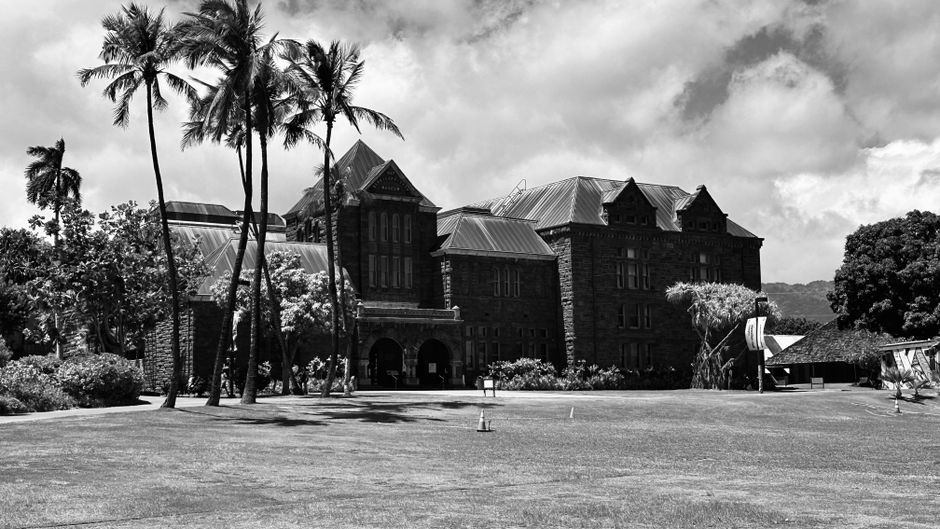
The Bernice Pauahi Bishop Museum holds a singular distinction: it is the State of Hawaiʻi Museum of Natural and Cultural History, the premier institution of its kind in the islands. Its origin story is deeply personal. Princess Bernice Pauahi Bishop, the last royal descendant of the Kamehameha dynasty, amassed an extraordinary collection of Hawaiian artifacts and royal family heirlooms. When she passed in 1884, her husband Charles Reed Bishop founded the museum to house and protect that legacy. What began as a repository for royal treasures has since expanded into a vast institution holding millions of artifacts, documents, and photographs documenting Hawaiʻi and the broader Pacific.
The museum's centerpiece is Hawaiian Hall, a three-story gallery housed in a grand Victorian-era building. The hall is organized by realm: the first floor represents the oceanic world of the Hawaiian people, the second floor explores the land and daily life, and the third floor ascends to the realm of the gods and chiefs. The effect is immersive and reverent, a space that treats Hawaiian culture not as a static diorama but as a living, evolving tradition.
For families, the Science Adventure Center is a major draw. Interactive exhibits let kids explore volcanology, oceanography, and biodiversity through hands-on experimentation. The centerpiece is a walk-through volcano that simulates lava flows and geothermal vents, a thrilling introduction to the geological forces that built the islands. Adjacent to this, the J. Watumull Planetarium runs daily screenings that range from traditional star shows to the current feature, "T. REX: Extended Cut," which brings prehistoric predators to life on the dome. The planetarium also hosts special cultural programming, including navigation workshops that connect modern astronomy to traditional Polynesian wayfinding techniques.
The museum is open daily from 9 AM to 5 PM at 1525 Bernice Street. Advance ticket purchase is recommended, especially during peak travel seasons. In 2026, the rotating exhibit calendar includes "Aloha Bricks '26: Stories of Hawaiʻi," a playful yet educational display of Hawaiian historical scenes built from LEGO bricks, and "Experience Ea Mai ʻEiwa," a contemporary exploration of sovereignty and identity. The museum also runs signature evening events like "Mele After Hours," where live Hawaiian music fills the Great Lawn under the stars. For anyone seeking a deep, authentic immersion in Hawaiian culture and natural history, the Bishop Museum is the essential starting point.

Honolulu Museum of Art (HoMA): Art Lovers' Paradise in the Heart of the City
The Honolulu Museum of Art, known locally as HoMA, is Hawaiʻi's largest private presenter of visual arts programs. Chartered in 1922 and opened to the public on April 8, 1927, the museum has spent a century building a permanent collection of more than 38,000 works that span continents and centuries. The collection is particularly strong in Asian art, reflecting Honolulu's historic position as a crossroads between East and West, but you will also find European masters, American painters, and a growing collection of contemporary Pacific art.
What sets HoMA apart is the experience beyond the gallery walls. The museum's architecture is built around a series of open-air courtyards, shaded by mature trees and accented with fountains and sculpture. These courtyards are not transitional spaces. They are destinations in themselves, places to sit with a coffee from the on-site café and let the art you have just seen settle in your mind. The HoMA Café and Coffee Bar serves locally sourced fare and is worth a visit even if you are not touring the galleries.
The museum also operates the Doris Duke Theatre, a dedicated film venue that programs independent, international, and art-house cinema. In 2026, the theater continues its commitment to film as a visual art form, with series like the Honolulu Surf Film Festival and retrospectives of directors whose work intersects with the museum's broader artistic mission.
Daily guided tours are included with admission and offer an efficient way to orient yourself. The Highlights tour runs Wednesdays and Sundays at 11 AM and Fridays at 2 PM. The New Exhibitions Spotlight tour, which focuses on temporary shows, is offered Wednesdays and Thursdays at 2 PM and Fridays at 11 AM. For a deeper appreciation of the building itself, the Courtyards of HoMA tour runs Thursdays and Saturdays at 11 AM and reveals architectural details and design choices that most visitors walk right past. The museum also runs art classes led by practicing artists and educators, from printmaking to watercolor, making it a community hub rather than a static collection.
The 2026 appointment of David Odo as director and CEO marks a new chapter for the institution. Odo brings a background in museum anthropology and a stated commitment to deepening the museum's engagement with Hawaiian and Pacific communities. For visitors, this translates to evolving exhibitions and programming that feel increasingly connected to the place where the museum stands.
ʻIolani Palace: America's Only Royal Residence
ʻIolani Palace occupies a singular place in American history. It is the only official state residence of royalty on US soil, a National Historic Landmark that tells a story of sovereignty, cultural achievement, and profound loss. Built in 1882 during the reign of King Kalākaua, the palace was a statement of Hawaiian modernity and independence. It had electricity and telephones before the White House did. Its American Florentine architecture, with broad verandas and ornate interior woodwork, reflected a monarchy that saw itself as a peer to the royal houses of Europe and Asia.
The palace's history took a dark turn in 1893, when a group of American businessmen and politicians, backed by US military forces, overthrew Queen Liliʻuokalani and imprisoned her in her own home. Walking through the rooms where she was held, seeing the quilt she stitched during her confinement, is an experience that stays with visitors long after they leave. The palace does not shy away from this history. It presents it with clarity and emotional weight.
Guided tours are the primary way to experience the palace, and they are led by docents who bring deep knowledge and often personal connection to the stories they tell. Tours fill up quickly, so booking in advance is essential. The palace sits in downtown Honolulu, within easy walking distance of several other historic sites, making it an ideal anchor for a day of exploring the city's 19th-century history. Pair your visit with the nearby Hawaiian Mission Houses Historic Site and Archives, which documents the arrival of Protestant missionaries in the 1820s and the complex role they played in Hawaiian society. Together, the two sites offer a nuanced portrait of a kingdom in transition.
Free Museums in Honolulu: Culture on a Budget
Honolulu's museum scene is more accessible than many travelers realize. Several excellent institutions charge no admission at all, making cultural exploration possible on any budget.
Capitol Modern, formerly known as the Hawaii State Art Museum, is the flagship free museum. Housed in a Spanish-Mission style building constructed in 1928, the museum occupies a handsome historic structure at 250 South Hotel Street in downtown Honolulu. Its galleries are dedicated to contemporary Hawaiian and Pacific art, with rotating exhibitions that showcase living artists working across painting, sculpture, fiber arts, and mixed media. The museum is open Wednesday through Saturday from 10 AM to 4 PM. It is closed Sunday through Tuesday, so plan accordingly. The building itself is worth a look, with its red-tile roof and shaded interior courtyard providing a glimpse of Honolulu's architectural heritage.
The US Army Museum of Hawaii is another free standout, and it has the added advantage of being located directly in Waikiki. Housed in Battery Randolph, a former coastal artillery battery at Fort DeRussy, the museum traces Hawaii's military history from ancient times through the Vietnam War. The building itself is a piece of history: a reinforced concrete fortress designed to defend Honolulu from naval attack. Exhibits include weaponry, uniforms, and personal accounts from soldiers who served in the Pacific theater. It is a compact but well-curated museum that history buffs can explore in an hour or two.
Lyon Arboretum and Botanical Garden, while technically a botanical collection, functions as a living museum of native Hawaiian flora. Located in the back of Mānoa Valley, the arboretum offers free admission and miles of trails through cultivated gardens and restored native forest. It is an outdoor experience, so it is less suited to rainy days, but on a clear morning it offers a peaceful alternative to the city's indoor museums.
A note on free admission: some museums welcome donations, and special exhibits within otherwise free museums may carry a separate fee. Always check individual websites before visiting. Free museums also make excellent rainy-day backups since they require no financial commitment if you need to leave early.
Pearl Harbor: A Museum Destination Unto Itself
Pearl Harbor is not a single museum. It is a multi-site complex of memorials, museums, and historic vessels that together form one of the most visited destinations in Hawaiʻi. Most travelers need a full day to do it justice, and even then, you will likely have to make choices about what to prioritize.
The USS Arizona Memorial is the emotional heart of Pearl Harbor and ranks as the top Honolulu museum on Tripadvisor. The memorial sits directly above the sunken battleship, where 1,177 sailors and Marines remain entombed. The experience begins with a documentary film that contextualizes the December 7, 1941 attack, followed by a Navy-operated boat ride to the memorial itself. Tickets start at $7, and advance reservations are strongly recommended. Walk-up availability is limited and unreliable.
Beyond the Arizona, the Pearl Harbor complex includes several distinct museums. The Battleship Missouri Memorial, docked on Ford Island, is the ship where Japan formally surrendered to end World War II. Visitors can explore the decks and interior spaces of this massive vessel. The USS Bowfin Submarine Museum and Park offers a look at submarine warfare in the Pacific, with the restored Bowfin as its centerpiece. The Pearl Harbor Aviation Museum, also on Ford Island, occupies hangars that still bear bullet holes from the 1941 attack. Its collection of vintage aircraft is impressive, and the hangar location offers sweeping views of the harbor.
For first-time visitors with limited time, prioritize the USS Arizona Memorial and one additional site, either the Missouri or the Aviation Museum. Plan to arrive early, allow four to six hours for a comprehensive visit, and note that the Pearl Harbor Visitor Center itself offers free exhibits that provide essential historical context. The Aviation Museum tends to be less crowded than the Arizona or Missouri, making it a good choice if you prefer a quieter experience.
Museums Near Waikiki: Convenient Culture Steps from Your Hotel
Most museum guides ignore a question that many visitors ask: what can I walk to from my Waikiki hotel? The answer is limited but not zero, and with a short rideshare or bus trip, your options expand considerably.
The US Army Museum of Hawaii is the only true museum located within Waikiki itself. Situated at Fort DeRussy, it is a short stroll from most Waikiki resorts. The free admission and manageable size make it an easy addition to a beach day. The museum's location inside a historic coastal defense battery adds to the experience; you are literally walking through a fortification designed to repel an invasion that never came.
The Honolulu Museum of Art sits roughly 15 to 20 minutes from Waikiki by car or bus. TheBus, Honolulu's public transit system, runs multiple routes connecting Waikiki to the downtown area. Route 2 and Route 13 are reliable options. Rideshare services are plentiful and typically cost under $20 each way. Factor in afternoon traffic for your return trip; what takes 15 minutes in the morning can stretch to 30 or more in the late afternoon.
The Lucoral Museum, a specialty museum focused on pearls, coral, and jewelry, occupies a niche near Waikiki. It is a quirky stop that appeals to shoppers and anyone curious about the gem trade that has shaped Pacific commerce for centuries. While not a major institution, it offers a different lens on Hawaiian history, one tied to the natural resources of the surrounding ocean.
The Waikiki Aquarium, while not a museum in the traditional sense, fills a similar educational and cultural role. Its exhibits on Hawaiian reef ecosystems and endemic marine species make it a natural history experience that complements the Bishop Museum's broader focus. Families with young children often find the aquarium a more manageable outing than the larger museums.
Specialty and Off-the-Beaten-Path Museums Worth Your Time
Beyond the major institutions, Honolulu and its surrounding areas hold a collection of smaller museums that reward curious travelers willing to venture off the standard circuit. These are the places where you can spend an unhurried hour and come away with a perspective that most visitors miss.
The Hawaiian Mission Houses Historic Site and Archives occupies a quiet corner of downtown Honolulu, just a short walk from ʻIolani Palace. The site preserves three original mission buildings dating to the 1820s, when the first Protestant missionaries arrived from New England. The story here is complex. The missionaries brought literacy and printing, helping to create a written Hawaiian language that enabled Hawaiʻi to achieve one of the highest literacy rates in the world by the mid-19th century. They also brought cultural disruption and, eventually, political influence that contributed to the overthrow of the monarchy. The Mission Houses present this history without simplification, making it a valuable counterpoint to the royal narrative at the palace.
Hānaiakamalama, better known as the Queen Emma Summer Palace, sits in the lush Nuʻuanu Valley north of downtown. This was the retreat of Queen Emma, wife of King Kamehameha IV, and it offers a more intimate look at Hawaiian royal life than the grand ʻIolani Palace. The home is filled with personal artifacts, furniture, and portraits that belonged to the royal family. The gardens are a highlight: quiet, shaded, and rarely crowded. It is an ideal spot for a peaceful afternoon away from the busier tourist sites.
The Hawaiʻi Plantation Village in Waipahu tells a story that is essential to understanding modern Hawaiʻi. Between 1852 and 1947, more than 400,000 immigrants arrived from China, Japan, Korea, the Philippines, Portugal, and elsewhere to work on Oʻahu's sugar and pineapple plantations. The village is a living history museum, with restored plantation-era homes and gardens that reflect the diverse cultural traditions these workers brought with them. It is located outside central Honolulu, so plan for a drive, but the experience is worth the trip for anyone interested in the multicultural roots of Hawaiian society.
The Honolulu Fire Museum is a quick, quirky stop for those with an interest in firefighting history. Housed in a restored 1934 fire station, it displays vintage apparatus and memorabilia. Hours are limited, so check before you go, but admission is free and a visit rarely takes more than 30 minutes.
How to Choose: Matching Museums to Your Travel Style
No other guide provides this kind of head-to-head comparison, but it is the question that matters most: given your limited time and specific interests, which museums should you prioritize?
For families with kids, the Bishop Museum is the clear winner. The Science Adventure Center alone can occupy children for hours, with its walk-through volcano and hands-on experiments. The planetarium adds another layer of engagement, and the Hawaiian Hall's immersive design keeps even young visitors interested. The Pearl Harbor Aviation Museum is another strong family pick, with vintage aircraft that appeal to kids who love machines and history. HoMA's art classes offer a creative outlet if your children need a break from passive viewing.
For couples and romantic getaways, HoMA delivers a refined, leisurely experience. The courtyards, the café, and the quiet galleries create an atmosphere that encourages slow exploration. Shangri La, Doris Duke's former home on the coast east of Waikiki, is another intimate option, though it requires advance reservations and operates on a limited schedule. The Queen Emma Summer Palace, with its gardens and personal artifacts, offers a quieter royal experience than the busier ʻIolani Palace.
For history buffs, the combination of ʻIolani Palace, the Hawaiian Mission Houses, and Pearl Harbor covers three distinct eras: the Hawaiian monarchy, the missionary period, and World War II. Together, they form a narrative arc that traces Hawaiʻi's transformation from independent kingdom to US state. The Hawaiʻi Plantation Village adds the immigrant labor story that is often missing from political histories.
For art enthusiasts, HoMA is the essential stop, but Capitol Modern offers a free alternative with a specific focus on contemporary Hawaiian and Pacific artists. The two museums complement each other well, with HoMA providing the global collection and Capitol Modern grounding you in the local art scene.
For rainy days, prioritize Bishop Museum and HoMA. Both offer hours of indoor exploration with on-site dining, so you can settle in and wait out the weather. Pearl Harbor's outdoor components, including the Battleship Missouri and the USS Bowfin, are less appealing in downpours, though the indoor museums and the Arizona Memorial program are still viable.
For budget travelers, the free museums form a solid itinerary on their own. Capitol Modern, the US Army Museum, and Lyon Arboretum cost nothing. Pair them with the free exhibits at the Pearl Harbor Visitor Center, and you can fill several days without spending a dollar on admission.
Practical Visitor Guide: Hours, Tickets, and Insider Tips
Planning your museum visits around logistics will save you time and frustration. Here is what you need to know.
The Bishop Museum is open daily from 9 AM to 5 PM. Admission is paid, and advance online purchase is recommended. On-site parking is available and generally sufficient. Plan for three to five hours if you want to see Hawaiian Hall, the Science Adventure Center, and a planetarium show.
The Honolulu Museum of Art is open Wednesday through Sunday, with varying hours. Check the website for current schedules. Admission is paid, and guided tours are included. Street parking in the surrounding neighborhood is limited. Use the museum's designated lot or a nearby garage. TheBus routes from Waikiki stop within walking distance. Plan for two to three hours.
ʻIolani Palace offers guided tours by reservation. Book well in advance, especially during peak seasons. The palace is in downtown Honolulu, where parking is scarce. Use a municipal garage or take TheBus. Plan for 90 minutes to two hours.
Capitol Modern is free and open Wednesday through Saturday, 10 AM to 4 PM. It is closed Sunday through Tuesday. The museum is in downtown Honolulu near other historic sites. Street parking is limited. TheBus is a better option.
The US Army Museum of Hawaii is free and located in Waikiki. Hours vary, so check before visiting. It is walkable from most Waikiki hotels. Plan for one to two hours.
Pearl Harbor's various sites have different hours and ticket structures. The USS Arizona Memorial program runs throughout the day, and advance reservations are strongly recommended. The Battleship Missouri, USS Bowfin, and Aviation Museum each charge separate admission. Bundled passes are available and offer savings if you plan to visit multiple sites. Arrive early. The Pearl Harbor Visitor Center opens at 7 AM, and the first Arizona programs fill quickly. Plan for four to six hours for a comprehensive visit.
Most major museums are wheelchair accessible, but historic sites like ʻIolani Palace and the Queen Emma Summer Palace may have limitations due to their age. Check individual websites for detailed accessibility information before visiting.
A final insider tip: consider timing your visits for evening programming. HoMA occasionally offers after-hours access with live music and a lively atmosphere. The Bishop Museum's "Mele After Hours" series brings Hawaiian music to the Great Lawn after dark. These events offer a different, more local experience than daytime visits.
Frequently Asked Questions About Museums in Honolulu
What are the best museums to visit in Honolulu?
The answer depends on your interests, but the top tier includes the Bishop Museum for natural and cultural history, the Honolulu Museum of Art for visual arts, ʻIolani Palace for royal history, Pearl Harbor for military and wartime history, and Capitol Modern for free contemporary art. Each serves a different audience, and the ideal itinerary combines two or three based on your priorities.
What museums are free to visit in Honolulu?
Capitol Modern, the US Army Museum of Hawaii, and Lyon Arboretum are consistently free. Some museums offer free days or suggested donation entry on certain dates. Check individual websites for current policies.
What are some good museums in Waikiki?
The US Army Museum of Hawaii is the only true museum located within Waikiki. The Honolulu Museum of Art and downtown museums are a short bus or rideshare trip away, typically 15 to 20 minutes depending on traffic.
What is the largest museum of natural history in Honolulu?
The Bernice Pauahi Bishop Museum is the state's premier natural and cultural history museum, with millions of artifacts and specimens in its collection. It is the largest and most comprehensive institution of its kind in Hawaiʻi.
How much time do I need for Pearl Harbor?
Plan for four to six hours to visit the USS Arizona Memorial and at least one additional site, such as the Battleship Missouri or the Pearl Harbor Aviation Museum. The Arizona program alone, including the documentary film and boat ride, takes about 75 minutes.
Are museums in Honolulu open on weekends?
Most are, but there are variations. Capitol Modern is closed Sunday through Tuesday. The Honolulu Museum of Art is open Wednesday through Sunday. The Bishop Museum is open daily. Always check individual schedules, especially around holidays.
Conclusion: Your Honolulu Museum Adventure Awaits
Honolulu's museums are not rainy-day backup plans. They are essential experiences that deepen any visit to Hawaiʻi, connecting you to the art, history, and living cultures that make these islands extraordinary. Whether you are a history buff tracing the story of Hawaiian sovereignty at ʻIolani Palace, an art lover losing track of time in HoMA's courtyards, or a family watching your kids light up at the Bishop Museum's volcano exhibit, there is a museum experience here tailored to you.
Book your Pearl Harbor and ʻIolani Palace tickets in advance. Check museum websites for current exhibits and evening programming before your trip. And consider a downtown walking day that pairs a morning at ʻIolani Palace with an afternoon at HoMA, two world-class institutions within easy walking distance of each other. Return to this guide as you build your 2026 itinerary, and when you discover a hidden gem we missed, share it. Honolulu's museum scene rewards the curious.
