If you are searching for the best food in hawaii, you already know the islands are a melting pot of flavors unlike anywhere else in the United States. But most online guides give you the same recycled list of ten dishes and call it a day. This guide is different. It is built for travelers who want to eat well, avoid the tourist traps, and understand what they are putting on their plate. You will leave this guide knowing exactly what to order, where to find the best versions, how to stretch your food budget, and how to tell the difference between a dish made for locals and one made for a luau buffet. The food in hawaii exists in three distinct layers: Traditional Hawaiian food rooted in ancient Polynesian voyaging, Local Food born from the plantation era, and modern Hawaii Regional Cuisine created by a chef-led revolution in 1991. We will cover all three, plus the drinks, snacks, and street food that make eating here an unforgettable experience.
Table of Contents
- Why Hawaiian Food is Different: A Quick History of the Plate
- The 10 Non-Negotiable Dishes: What You Must Eat in Hawaii
- Beyond the Main Course: Drinks, Desserts & Snacks
- How to Eat Like a Local: Tips for Avoiding Tourist Traps
- Eating on a Budget: How to Enjoy Hawaii's Food Without Breaking the Bank
- Navigating Dietary Restrictions in Hawaii (Vegan, Gluten-Free, & Allergies)
- Island-by-Island Food Highlights (Where to Go for What)
- Food Safety & Traveler Tips for 2026
- Frequently Asked Questions About Food in Hawaii
- Conclusion: Your 2026 Hawaii Food Itinerary
Why Hawaiian Food is Different: A Quick History of the Plate
The food in hawaii did not emerge from a single tradition. It arrived in waves. The first wave came with Polynesian voyagers who crossed the open ocean in double-hulled canoes around 1,500 years ago. They brought taro, sweet potato, coconut, breadfruit, and pigs. They built fishponds and developed a sustainable land-management system called ahupua'a that stretched from mountain to sea. This is the foundation of Traditional Hawaiian food: poi, kalua pig, laulau, and raw fish seasoned with sea salt and limu seaweed.

The second wave crashed ashore in the mid-1800s when sugar plantations imported laborers from Japan, China, the Philippines, Portugal, and Korea. Each group brought its own pantry: soy sauce, rice, vinegar, garlic, ginger, and sausage. They shared meals in the fields, and over generations, their cuisines fused. This is Local Food, what locals actually eat every day. It is not traditional Hawaiian, but it is authentically Hawaii.
The third wave began in 1991 when twelve chefs, including Roy Yamaguchi, Alan Wong, and Sam Choy, formally launched Hawaii Regional Cuisine. They took the multicultural pantry and applied fine-dining technique to locally grown ingredients. Knowing this history matters because it explains the menu. When you see Spam Musubi next to poi on a counter, you are looking at a century of migration, adaptation, and shared meals.
The 10 Non-Negotiable Dishes: What You Must Eat in Hawaii
These ten dishes represent the core of the food in hawaii experience. Each entry includes where to find the best version, what to watch out for, and tips that most guides skip.
Poke (The King of Casual Food)
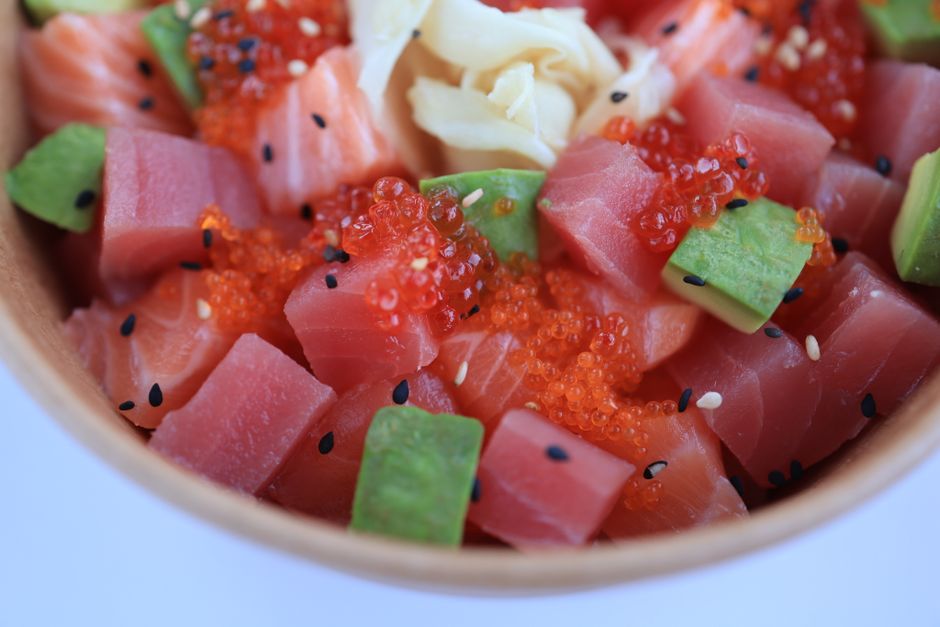
Poke is the dish most visitors already know, but the version you find in Hawaii is not the same as the mainland poke bowl loaded with mango, edamame, and spicy mayo. Traditional Hawaiian-style poke is simpler: cubed ahi tuna tossed with shoyu, sesame oil, limu seaweed, and inamona, which is roasted crushed kukui nut. The fish is the star, not the toppings. For the real deal, skip the trendy poke bar and go to a seafood counter. Foodland Farms on Oahu has a legendary poke selection that locals swear by. Ono Seafood on Kapahulu Avenue is another no-frills spot where the poke comes straight from the boat. One critical note on freshness: look for ahi that is bright red or deep ruby, not brown or dull. Ask if it was caught locally. Poke that has been sitting in a warm display case is a risk you do not need to take. Pregnant travelers and anyone immunocompromised should exercise caution with raw fish, even in Hawaii.
Spam Musubi (The On-the-Go Snack)
Spam is not a joke in Hawaii. It is a staple with deep roots in World War II rationing and plantation history, when fresh meat was scarce and canned goods were reliable. Spam Musubi is a block of seasoned rice topped with a seared slice of Spam, wrapped with a strip of nori. It is salty, savory, portable, and costs between $2.50 and $4.00. You can find it at ABC Stores, which are surprisingly consistent, and at 7-Eleven locations across the islands for even less. Specialty shops like Musubi Cafe Iyasume in Waikiki offer variations with egg, avocado, or teriyaki glaze. For budget travelers, Spam Musubi is a lifesaver: it is filling, cheap, and available everywhere.
Loco Moco (The Ultimate Comfort Food)
The Loco Moco was invented in Hilo on the Big Island in 1949, reportedly for a group of teenagers who wanted something cheap, filling, and fast. The classic formula is white rice topped with a hamburger patty, a fried egg, and a generous ladle of brown gravy. It is heavy, savory, and deeply satisfying. Variations now include Spam Loco Moco, pulled pork Loco Moco, and even a veggie version using a mushroom patty. This is not a light meal. A full Loco Moco can easily top 1,000 calories. Locals eat it after surfing, after a long shift, or late at night. Cafe 100 in Hilo claims to be the birthplace and still serves one of the best versions. On Oahu, Rainbow Drive-In is the go-to.
Kalua Pork (The Luau Star)
Kalua pork is the centerpiece of any traditional Hawaiian luau. The authentic method involves seasoning a whole pig with sea salt and placing it in an imu, an underground oven lined with hot rocks and banana leaves. The pig steams for hours until the meat is smoky, salty, and falling apart. Modern versions are often oven-baked with liquid smoke, and while they can be good, they lack the depth of the real thing. Authentic kalua pork is not sweet. If it tastes like mainland pulled pork with barbecue sauce, you are eating a tourist version. The best way to try it is at a local Hawaiian restaurant like Helena's Hawaiian Food on Oahu, where it comes with cabbage and rice. A luau gives you the full cultural experience, but the food quality varies widely. Research the luau before booking.
Garlic Shrimp (The North Shore Legend)
Garlic shrimp is synonymous with Oahu's North Shore, and the origin story starts with Giovanni's Shrimp Truck in Kahuku. What began as a single truck serving buttery, garlicky shrimp with two scoops of rice has become a roadside institution with imitators up and down Kamehameha Highway. The shrimp are cooked shell-on in a pool of garlic, butter, and oil. You peel them yourself, squeeze lemon over the top, and accept that your hands will be a mess. The line at Giovanni's can be long, but it moves. Beware of shrimp trucks that cater exclusively to tour buses. Look for a line of locals and a handwritten menu board. Other solid options include Fumi's and Romy's.
Huli Huli Chicken (The Roadside BBQ)
Huli Huli chicken is a weekend tradition. The name comes from the Hawaiian word "huli," meaning "to turn," because the chicken is grilled on a rotisserie and turned constantly over an open flame. The glaze is a sweet-savory mix of soy sauce, ginger, brown sugar, and sometimes pineapple juice. The skin caramelizes, the meat stays juicy, and the smell alone can pull your car off the road. You will find Huli Huli chicken at roadside stands, often set up in parking lots on Saturdays and Sundays, and at community fundraiser events. The best stands are unmarked and run by local families. If you see smoke rising from a grill on the side of the road, pull over.
Shave Ice (The Essential Cool-Down)
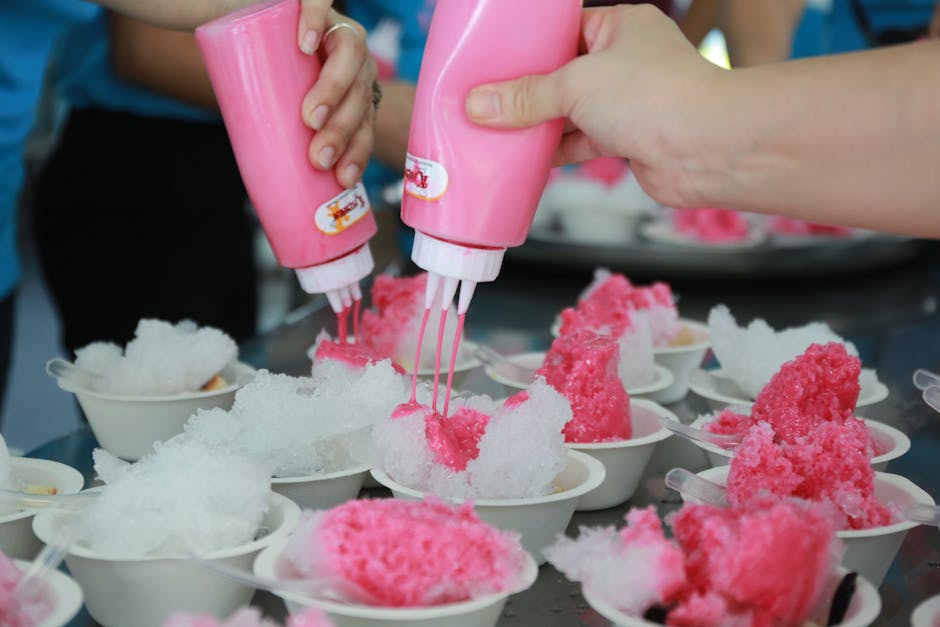
It is shave ice, not shaved ice. The distinction matters because the texture is completely different. Shave ice is made by shaving a block of ice into fine, fluffy ribbons that absorb syrup instead of letting it pool at the bottom. The classic order includes a scoop of vanilla ice cream at the base and azuki beans, which are sweetened red beans, with a pour of condensed milk over the top. Matsumoto's in Haleiwa is the most famous spot, and it is worth visiting once for the experience. But locals often prefer Waiola Shave Ice in Honolulu, where the ice is even finer. A medium cup with all the fixings runs $5 to $7.
Malasadas (The Portuguese Donut)
Portuguese plantation workers brought malasadas to Hawaii in the late 1800s. These are deep-fried dough balls with no hole, rolled in granulated sugar, and best eaten hot. Leonard's Bakery on Kapahulu Avenue in Honolulu is the undisputed champion. The malasadas come out of the fryer in waves, and the early morning batches are the freshest. Fillings include haupia, which is coconut pudding, custard, and li hing mui, a salty-sweet plum powder. On the Big Island, Tex Drive-In in Honokaa is the destination. Go early, order a half-dozen, and eat them in the car before they cool.
Laulau (The Steamed Bundle)
Laulau is one of the oldest dishes in Hawaii and one of the least understood by visitors. It consists of pork, butterfish, or chicken wrapped in taro leaves, then bundled in ti leaves and steamed for hours until the taro leaves become tender and almost spinach-like. The flavor is earthy, rich, and unlike anything else you will eat on the islands. A critical safety note: taro leaves contain calcium oxalate crystals and are toxic when raw. The long steaming process neutralizes the toxins completely, so cooked laulau is perfectly safe. Laulau is typically served with rice and lomi salmon, a cold salad of salted salmon, tomato, and onion. Helena's Hawaiian Food serves an exceptional version.
Plate Lunch (The Everyday Meal)
The plate lunch is not a single dish. It is a format, and it is the most common meal in Hawaii. The formula is simple: two scoops of white rice, one scoop of macaroni salad, and a protein. The protein can be teriyaki beef, chicken katsu, kalua pork, loco moco, or kalbi short ribs. Plate lunches are served at drive-ins, diners, and lunch counters across every island. They are not fancy, and they are not meant to be. A standard plate lunch costs between $10 and $15 and is easily enough food for two meals. Split one with a travel partner or save half for later. Rainbow Drive-In, Zippy's, and any neighborhood okazuya are reliable bets.
Beyond the Main Course: Drinks, Desserts & Snacks
The Iconic Drinks (Alcoholic & Non-Alcoholic)
POG is the unofficial state drink. It is a blend of passionfruit, orange, and guava juices, sold in cartons at every grocery store and served at breakfast buffets across the islands. It is sweet, tropical, and refreshing. For a cocktail, the Mai Tai is the classic choice, but be selective about where you order one. Many tourist bars serve syrupy, neon-colored versions that bear little resemblance to the original. A proper Mai Tai uses fresh lime juice, quality rum, and orgeat syrup. Kona coffee, grown on the slopes of the Big Island, is another essential. Buy it directly from a farm or a local roaster rather than a souvenir shop. For the adventurous, 'awa, also known as kava, is a traditional ceremonial drink made from the root of the kava plant. It has an earthy, slightly numbing taste and a calming effect. It is not for everyone, but it is culturally significant and available at specialty bars.
Unique Desserts & Sweet Treats
Haupia is a coconut milk pudding that appears everywhere: in pie form, as a cake topping, or cut into cubes and served on a ti leaf. It is dairy-free, lightly sweet, and silky. Lilikoi, or passionfruit, shows up in bars that taste like a tropical lemon square, tart and bright. Crack seed is the wildcard. It is preserved fruit, typically plum, dusted with li hing mui powder, which is made from dried salted plums. The flavor is simultaneously sweet, sour, and salty. It is intensely addictive and almost impossible to find on the mainland. Look for crack seed at local grocery stores and crack seed shops.
How to Eat Like a Local: Tips for Avoiding Tourist Traps
ABC Stores are convenient for water, sunscreen, and a quick Spam Musubi, but do not buy your Hawaiian food souvenirs there. The prices are inflated, and the quality is average. For authentic snacks, ingredients, and poke, go to a local grocery store like Foodland, Times, or Sack N Save. You will pay half the price and get better products.
Food trucks are often where the best food in hawaii is hiding. The North Shore shrimp trucks are famous for a reason, but the principle applies everywhere. Look for trucks with a line of locals, not just tourists with rental cars. A handwritten menu, a weathered truck, and a cook who looks busy are all good signs.
Hotel luaus serve a purpose, but the food is rarely the highlight. The kalua pig is often oven-baked with liquid smoke, and the buffet is designed to feed hundreds of people at once. If you want authentic kalua pig and laulau, find a local Hawaiian restaurant. Helena's Hawaiian Food on Oahu has a James Beard Award and serves the real thing without the fire dancers.
The Kaka'ako Farmers Market on Saturdays is a budget-friendly way to sample multiple dishes from small vendors. You can try poke, grilled meats, fresh fruit, and baked goods in one stop. Smaller neighborhood markets operate on different days across the islands. Check local listings when you arrive.
Tipping is standard in Hawaii, 15 to 20 percent at sit-down restaurants. Service can be slower than you are used to, and that is intentional. It is part of the aloha spirit, not poor training. Be patient, be polite, and you will have a better experience.
Eating on a Budget: How to Enjoy Hawaii’s Food Without Breaking the Bank
Hawaii is expensive, but the food does not have to be. The plate lunch strategy is your best tool. One plate lunch, priced between $10 and $15, contains enough food for two people. Split it or save half for later.
Grocery store poke is the best value in the islands. Foodland and Safeway sell fresh poke by the pound, typically $12 to $18 per pound. Grab a container of rice and a can of POG, and you have a full meal for under $10. The quality rivals most poke shops.
7-Eleven in Hawaii is not like 7-Eleven on the mainland. The locations here carry Spam Musubi, manapua, which are steamed buns filled with char siu pork, and even passable Loco Moco, all for under $5. It is not gourmet, but it is cheap, fast, and surprisingly good.
Restaurants charge $5 or more for bottled water. Bring your own bottle and fill it at your hotel or a grocery store. A quick average price guide for 2026: a poke bowl runs $10 to $15, a plate lunch $10 to $14, shave ice $4 to $7, and a sit-down dinner at a Hawaii Regional Cuisine restaurant will cost $30 to $60 or more per person.
Navigating Dietary Restrictions in Hawaii (Vegan, Gluten-Free, & Allergies)
Vegans can eat well in Hawaii with some planning. Tofu poke is available at many grocery stores and poke shops. Several plate lunch spots offer tofu katsu, and vegan Loco Moco made with mushroom gravy and a veggie patty is available at places like Peace Cafe on Oahu. Traditional Hawaiian food is heavy on pork and fish, so you will need to seek out dedicated vegan options.
Gluten-free travelers face a hidden challenge: soy sauce is in almost everything, including most poke marinades. Ask for tamari or gluten-free shoyu. Kalua pig is naturally gluten-free. Shave ice is safe. Malasadas are absolutely not. Shellfish and seafood allergies require extreme caution with poke and any mixed plate. Cross-contamination is common in food trucks and small kitchens. Always ask directly, and consider carrying a translation card. A simple phrase like "A'ole au e 'ai i ka i'a," meaning "I do not eat fish," can help bridge the language gap.
Island-by-Island Food Highlights (Where to Go for What)
Oahu (The Food Capital)
Oahu has the deepest variety of food in hawaii. You can eat at a James Beard Award-winning Hawaiian restaurant for lunch and a high-end Hawaii Regional Cuisine spot for dinner. The North Shore shrimp trucks, Leonard's Bakery for malasadas, Ono Seafood for poke, and Helena's Hawaiian Food for laulau and kalua pig are all essential stops. The Kaka'ako Farmers Market on Saturdays is the best single-stop sampling experience.
Maui (Farm-to-Table & Sweet Onions)
Maui is known for its produce. Maui Gold pineapples and Kula onions are famous for a reason. Ululani's Shave Ice consistently wins local awards for texture and flavor variety. Mama's Fish House near Paia is expensive and iconic, serving fresh catch in a stunning beachfront setting. Reservations are essential months in advance.
Big Island (The Farm & Ranch Island)
The Big Island is the place for Kona coffee, grass-fed beef from Parker Ranch, and roadside fruit stands selling papaya, lychee, and apple bananas. Tex Drive-In in Honokaa is the malasada destination. The Hilo Farmers Market is one of the best in the state, with fresh produce, prepared foods, and local crafts. A coffee farm tour in Kona is worth the morning.
Kauai (The Rural, Simple Food)
Kauai's food scene is quieter and more rustic. Fresh fish and taro-based dishes dominate. Fish Express in Lihue serves excellent poke bowls. Local diners and plate lunch spots are the move here rather than high-end restaurants. The farmers markets are smaller but offer excellent tropical fruit.
Food Safety & Traveler Tips for 2026
Poke is generally very safe in Hawaii because the fish is extremely fresh and handled properly. Still, look for poke displayed in a refrigerated case, not sitting out at room temperature. Pregnant women and immunocompromised individuals should consult their doctor before eating raw fish. Tap water is safe to drink on all major islands, though some rural areas on the Big Island may have cloudy water due to volcanic minerals. Bottled water is widely available. Shave ice melts fast in the Hawaiian sun, so eat it in the shade. Spicy food, like some garlic shrimp preparations, can feel more intense in the heat. For high-end Hawaii Regional Cuisine restaurants, book reservations one to two months in advance for 2026 travel. Walk-ins are rare at the top spots.
Frequently Asked Questions About Food in Hawaii
What is the most popular food in Hawaii? Poke is the most iconic dish, but Spam Musubi is the most consumed daily snack. Is Hawaiian food spicy? Generally, no. Traditional Hawaiian food is mild. Korean and Filipino influences have added heat to some local dishes, like kimchi fried rice. What do locals eat for breakfast? Loco Moco, Portuguese sausage and eggs, or a simple bowl of rice with furikake seasoning. What is the difference between poke and ceviche? Poke is raw fish marinated in soy sauce, sesame oil, and seasonings. Ceviche is raw fish chemically cooked in citrus acid, typically lime or lemon juice. Where can I get authentic Hawaiian food, not tourist food? Look for restaurants labeled Hawaiian, not Hawaiian BBQ chains. Helena's Hawaiian Food on Oahu is a James Beard Award winner and serves the real thing.
Conclusion: Your 2026 Hawaii Food Itinerary
The food in hawaii tells a story across three layers: traditional Hawaiian dishes like kalua pig and laulau, local plate lunches born from the plantation era, and the refined creations of Hawaii Regional Cuisine. Your trip should include at least one of each. Spend $20 on a grocery store run for poke, rice, and POG, then put $40 toward one splurge dinner at a restaurant that sources local ingredients. Bookmark this guide for your 2026 trip. When you land, skip the hotel restaurant and head straight to a food truck or a poke counter. Your taste buds will thank you.
