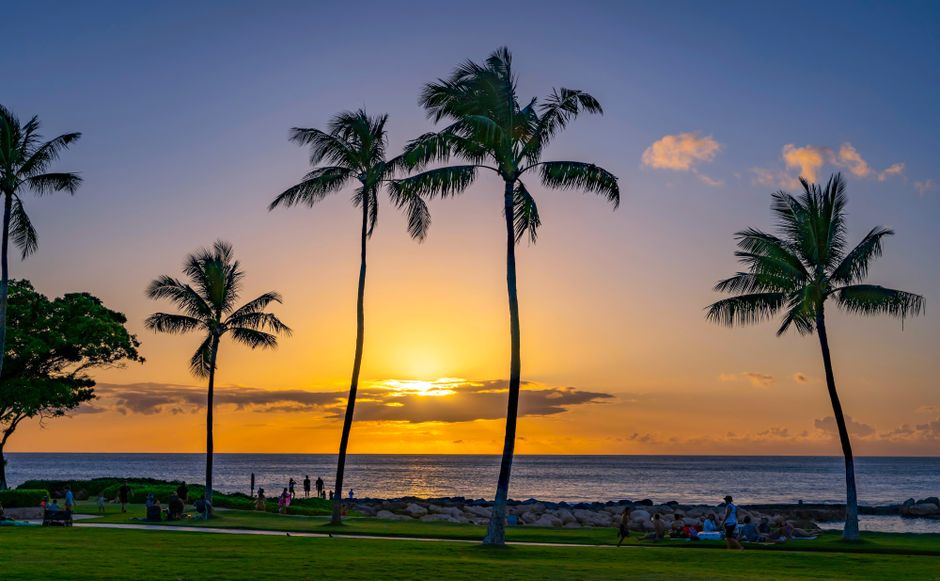
If you are searching for the best time of year to visit Hawaii, the answer depends on whether you value sunny skies, empty beaches, or low hotel rates. Hawaii is one of those rare destinations that genuinely delivers year-round appeal, with temperatures reliably hovering between 75 and 85 degrees Fahrenheit no matter what the calendar says. But beneath that consistent warmth, the islands experience dramatic shifts in pricing, crowd density, and rainfall that can make or break a vacation budget. Understanding these seasonal rhythms is the difference between a trip that feels like a steal and one that feels like a splurge. This guide walks you through every season, every island, and every activity so you can match your travel dates to your priorities.
Table of Contents
- The Quick Answer: Hawaii’s Sweet Spot Months
- Weather & Seasons: Understanding the Trade-Offs
- Budget & Crowds: When to Save Money (and Sanity)
- Best Time for Specific Activities
- Island-by-Island Timing Guide
- Month-by-Month Quick Reference (2026)
- Frequently Asked Questions
- Final Verdict: Pick Your Priority
The Quick Answer: Hawaii’s Sweet Spot Months
If you want the short version, here it is: April, May, September, and October are the months that seasoned travelers and local experts consistently recommend. These four months sit squarely in the shoulder seasons, those quiet windows between the chaos of summer vacation and the frenzy of winter holidays. During these stretches, the weather is reliably warm and dry, the beaches feel spacious, and hotel rates settle into a comfortable middle ground. Hotel rates drop roughly 20 percent from spring break levels once April arrives, a savings that adds up quickly over a weeklong stay. June deserves an honorable mention for offering the driest weather of the entire year, but that sunshine comes at a cost: summer crowds and peak-season pricing that can strain a budget. For most travelers, the shoulder months deliver the best balance of everything.

Weather & Seasons: Understanding the Trade-Offs
Hawaii’s weather patterns are simpler than most people expect, but they still require some explanation. The islands have two primary seasons, and each comes with distinct advantages and drawbacks.
The Dry Season (May – September)
From late spring through early fall, Hawaii enjoys its sunniest and most predictable weather. June is statistically the driest month across the islands, with clear skies that make it ideal for snorkeling, hiking, and sunset cruises. Ocean conditions during these months tend to be calm, especially on south-facing shores, which means better visibility for underwater exploration and smoother sailing for boat tours. The trade-off is straightforward: everyone else wants to be there too. July and August bring the heaviest domestic travel of the year as families take advantage of school breaks, and resorts respond with their highest rates. If you plan to visit during this window, book at least six months ahead to secure decent availability.

The Wet Season (November – March)
Winter in Hawaii is not the dreary affair that mainlanders might imagine. Rain is frequent but typically arrives in short, heavy bursts rather than all-day drizzles, often followed by brilliant rainbows and renewed sunshine. The landscape during these months is spectacularly lush, and waterfalls that might be reduced to trickles in summer roar back to life. The trade-off here is a higher probability of rain, particularly on the windward coasts that face north and east. The silver lining is that hotels and flights drop to their lowest prices of the year, and the islands feel refreshingly uncrowded after the holiday rush subsides in January.
Hurricane Season (June – November)
Hawaii sits in the Central Pacific hurricane basin, and the season technically runs from June through November, with the highest risk concentrated between July and September. In practice, hurricanes are rare. The islands’ relatively small landmass and the cooling effect of surrounding ocean waters tend to weaken or deflect approaching storms. Modern forecasting provides three to five days of warning before any significant weather event, and Hawaiian resorts have robust safety plans in place. Travel insurance is a sensible precaution if you are booking during these months, but the odds of a hurricane disrupting your trip remain extremely low.
Budget & Crowds: When to Save Money (and Sanity)
Timing your trip around price and crowd cycles can save you hundreds of dollars, sometimes thousands for a family vacation. The patterns are consistent year after year.
The Most Expensive Time: Late December & Summer
The last week of December is, without exception, the single most expensive week of the year in Hawaii. Airfare spikes, hotel rates double or triple, and even rental cars become scarce. Summer, particularly July and August, runs a close second as families across the United States converge on the islands during the longest school break. If you must travel during these windows, the only real strategy is to book as early as possible, ideally six to nine months out, and to lock in refundable rates in case plans shift.
The Cheapest Months: February & March
Once the New Year’s confetti settles and holiday travelers return home, demand for Hawaii drops sharply. February and March offer the lowest airfare and accommodation rates of the year, with the exception of a brief spike around mid-March when spring break crowds arrive. This post-holiday lull is a gift for budget-conscious travelers who are willing to accept a higher chance of rain in exchange for significant savings. Pack a light rain jacket and you will barely notice the difference.
The Best Value: Shoulder Seasons (April–May & September–October)
The shoulder seasons are where value truly shines. Crowds thin out after spring break and before summer vacation kicks in, then again after Labor Day when kids return to school. The weather during these months averages a comfortable 78 to 84 degrees Fahrenheit, and the ocean remains warm enough for swimming without a wetsuit. September, in particular, has earned a reputation among locals as the “Secret Season.” The water is at its warmest, summer crowds have vanished, and the islands settle into a relaxed rhythm that feels authentically Hawaiian rather than tourist-driven.
Best Time for Specific Activities
Your ideal travel window may shift depending on what you want to do once you arrive. Hawaii offers dramatically different experiences across the calendar.
Whale Watching (December – May, Peak: January – March)
Every winter, thousands of humpback whales migrate from Alaska to the warm, shallow waters of Hawaii to mate and give birth. The peak viewing months are January through March, when the whales are most active and numerous. Maui is the undisputed champion for whale watching, thanks to the sheltered channel between Maui and Lanai that serves as a natural nursery. Kauai also offers excellent sightings. For the highest probability of seeing whales, book a morning tour in February when the animals are most energetic and the ocean is typically calm.
Surfing (Winter for Big Waves, Summer for Beginners)
Hawaii’s surf seasons split neatly along geographic lines. The North Shore of Oahu awakens between November and February with massive swells that draw professional surfers from around the world. These waves are powerful and dangerous, strictly for experts. On the south shores, summer brings gentler, more forgiving waves from May through September, perfect for beginners taking their first lesson. September offers an appealing compromise: smaller summer crowds, still-warm water, and decent swells on both coasts.
Snorkeling & Diving (May – October)
Summer delivers the calmest ocean conditions and the best underwater visibility, often reaching 60 to 100 feet. Hanauma Bay on Oahu, Molokini Crater off Maui, and Kealakekua Bay on the Big Island are standout spots during these months. Winter swells can churn up sediment and make some north-facing bays unsafe for swimming, so plan your snorkeling around south and west shore locations if you are visiting between November and March.
Hiking & Waterfalls (November – March)
The rainy season transforms Hawaii’s trails and waterfalls. Paths that are dusty and exposed in summer become lush corridors of green, and waterfalls that slow to a trickle in dry months surge with power. The Kalalau Trail on Kauai and the Pipiwai Trail on Maui are particularly spectacular during winter. The caveat is safety: flash floods are a real risk in Hawaii’s narrow valleys. Always check weather alerts before heading out, and never cross a flowing stream if the water is rising.
Island-by-Island Timing Guide
Each Hawaiian island has its own personality and its own ideal visiting window.
Oahu shines during the shoulder seasons of April, May, September, and October, when Waikiki’s crowds thin out and you can actually find a spot on the sand without arriving at dawn. Winter is the time to visit if you want to watch big-wave surfing on the North Shore without getting in the water yourself.
Maui is at its best from January through March for whale watching, while summer offers calm, clear conditions for snorkeling at Molokini Crater and along the south coast beaches.
The Big Island is a year-round destination thanks to its staggering diversity of microclimates, from tropical rainforest to arid lava fields. Winter brings a unique spectacle: snow on the summit of Mauna Kea, where you can experience a Hawaiian snow day before driving back down to the beach.
Kauai is the wettest island overall, and visitors hoping to see the Na Pali Coast in full sunshine should aim for May through September. The leeward side of any island, the west and south coasts, is always drier than the windward east and north sides regardless of season, a tip that applies everywhere from Kauai to the Big Island.
Month-by-Month Quick Reference (2026)
January through March delivers the cheapest flights and hotels of the year, peak whale watching, and a higher likelihood of rain. April and May mark the first sweet spot, with spring flowers blooming, lower crowds, and pleasant temperatures. June through August brings the driest weather but also peak summer crowds and the highest prices outside of the December holidays. September and October offer the second sweet spot, with a warm ocean, fewer visitors, and the so-called Secret Season in full effect. November and December see the return of rain, a sharp spike in holiday crowds during the last two weeks of December, and the best big-wave surfing conditions on the North Shore.
Frequently Asked Questions
What is the cheapest month to go to Hawaii? February, followed closely by March, consistently offers the lowest airfare and accommodation rates of the year. Is Hawaii rainy in December? Yes, but the rain is concentrated on the north and east coasts; south shore areas often remain sunny and dry. What is the best time to visit Hawaii for good weather? May through September provides the driest and most reliably sunny conditions across all islands. Is September a good time to visit Hawaii? Absolutely. September combines excellent weather, fewer crowds, and lower prices than the summer months, making it one of the most underrated times to go.
Final Verdict: Pick Your Priority
For the best all-around experience, book your trip for April, May, September, or October. These months deliver the ideal mix of pleasant weather, manageable crowds, and reasonable prices. For the lowest possible price, travel in February or March and pack a rain jacket for the occasional shower. For guaranteed sun, go in June or July and book your hotels well in advance to avoid sticker shock. The truth is that Hawaii is beautiful year-round, and the worst day on the islands is still better than the best day almost anywhere else. Pick your priority, plan accordingly, and let the aloha spirit handle the rest.
