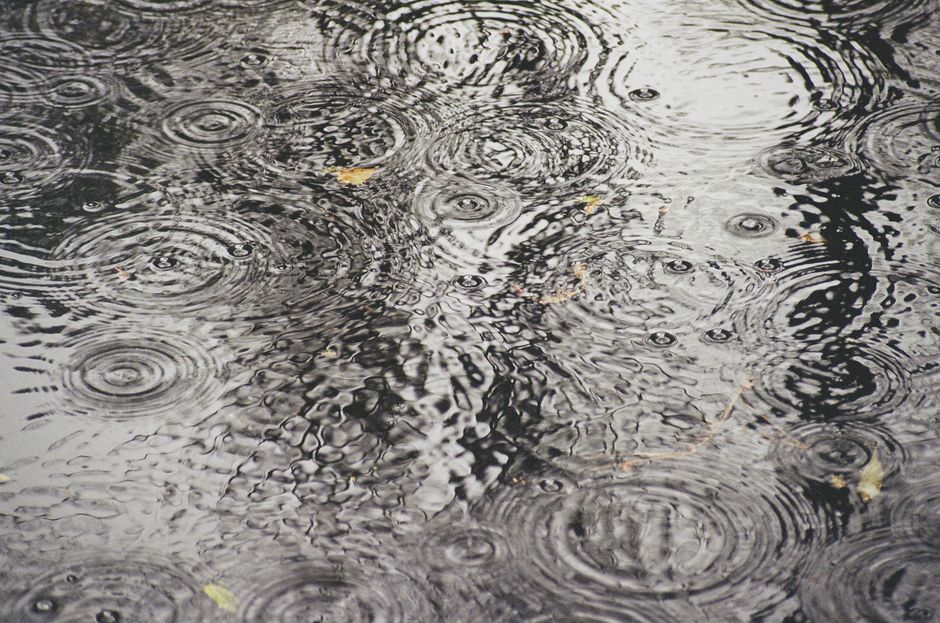
If you have been scanning weather reports and worrying that your Big Island trip is about to become a washout, take a breath. Hilo is the rainiest city in the United States, logging an average of 211 days of rain and over 120 inches annually. That statistic sends a lot of travelers into a panic, but locals know a secret: the rain is exactly what makes this side of the island so spectacular. If you are searching for the best things to do in Hilo Hawaii when it rains, you have landed in the right place. A rainy day in Hilo is not a canceled day. It is an invitation to slow down, explore lava tubes, taste chocolate, wander through museums, and experience a side of Hawaii that the sunny Kona postcards never show you.
Table of Contents
- Why You Shouldn’t Fear Rain in Hilo
- Top Indoor Museums & Cultural Centers
- Food & Drink Experiences (Covered & Cozy)
- Lava Tubes & Cave Exploration (Naturally Rain-Proof)
- Free & Budget-Friendly Rainy Day Activities
- Nighttime & Evening Rainy Day Options
- Rainy Day Safety Tips for Hilo
- Rainy Day Activities for Digital Nomads & Remote Workers
- Pet-Friendly Rainy Day Activities
- Activities to SKIP When It’s Raining in Hilo
- Frequently Asked Questions (PAA & Schema Opportunity)
- Final Tips for a Perfect Rainy Day in Hilo
This guide is built entirely around Hilo and the surrounding east side. You will not find Kona-specific recommendations here, because driving two hours across the island every time a cloud bursts is not a practical strategy. Instead, you will find museums, food tours, free activities, nighttime options, safety advice, and a few things you should absolutely skip when the skies open up. Here is what is ahead:
What is ahead: why Hilo rain is not the enemy, the best indoor museums and cultural centers, food and drink experiences built for wet weather, lava tubes and caves that stay dry year-round, free and budget-friendly stops, evening and nighttime options, safety tips, digital nomad-friendly spots, pet-friendly activities, and activities to avoid.
Why You Shouldn’t Fear Rain in Hilo
Hilo is lush for a reason. The waterfalls, the rainforest canopy, the electric-green hillsides that slope down toward the bay: none of that exists without the rain. The weather is not a flaw in your itinerary. It is the engine behind everything you came to see. Once you accept that, a rainy day shifts from a disappointment to a feature of the trip.

The rain on the east side rarely behaves the way mainland rain does. It often arrives in short, heavy bursts, sometimes lasting twenty minutes before the sun breaks through. Mornings tend to be wetter, with afternoons clearing up just enough for a rainbow over the bay. Many of Hilo’s best attractions are either fully indoors or designed with covered walkways, pavilions, and rain-ready infrastructure. Lava tubes are naturally dry. Museums are air-conditioned and spacious. The farmers market operates under a permanent roof. You can absolutely fill a full day, or three, without ever standing in a downpour.
There is also the microclimate factor. Driving twenty minutes in any direction can land you in a completely different weather pattern. But the point of this guide is that you do not need to flee to Kona. Staying in Hilo and leaning into the rain is not just a backup plan. It is often the better plan.
Top Indoor Museums & Cultural Centers
Lyman Museum & Mission House
The Lyman Museum packs an enormous amount of Hawaiian natural and cultural history into a compact, well-organized space. The main building houses two floors of exhibits, including a full-scale replica of a volcanic eruption that thrills kids and adults alike. The shell collection alone is worth the visit: case after case of rare and beautiful specimens from across the Pacific. The adjacent Mission House, one of the oldest wood-frame buildings on the island, offers guided tours that walk you through what life looked like for 19th-century missionaries in Hilo. The tour is covered, and the main museum is fully air-conditioned, making this an easy, comfortable stop regardless of what the sky is doing.
Pacific Tsunami Museum
Downtown Hilo carries the scars of the 1946 and 1960 tsunamis, and this museum, housed in a historic bank building, tells those stories with gravity and care. The exhibits are interactive and deeply researched, weaving together survivor accounts, scientific explanations, and historical photographs. It is a sobering experience, but an essential one for understanding why Hilo’s waterfront looks the way it does today. The self-guided format lets you move at your own pace, and the indoor setting makes it a natural choice for a rainy afternoon. Families with older children will find it especially meaningful.
ʻImiloa Astronomy Center
Located on the University of Hawaii at Hilo campus, ʻImiloa bridges Hawaiian cultural knowledge and modern astronomy in a way that feels seamless rather than forced. The planetarium is the star here, and a dark, rainy day only makes the dome shows more immersive. Indoor exhibits cover Polynesian navigation, the geology of the Hawaiian Islands, and the telescopes atop Mauna Kea. There is a cafe on site, so you can wait out a heavy band of rain with a coffee and a pastry while the kids explore. Check the planetarium schedule ahead of time; the evening shows are a particularly good fit for a wet night.
Mokupāpapa Discovery Center
Mokupāpapa is the kind of place you might walk past without noticing, but you should not. Admission is free, though a donation is suggested, and the center focuses on the Northwestern Hawaiian Islands, a remote and rarely seen part of the archipelago. The 2,500-gallon saltwater aquarium is the centerpiece, but the 3D coral reef model and cultural artifacts round out the experience. It is compact, so you can see everything in about 45 minutes. That makes it an ideal stop between showers, or a quick educational break before heading to lunch downtown.
Food & Drink Experiences (Covered & Cozy)
Hilo Farmers Market (Covered Pavilion)
The Hilo Farmers Market operates daily, but Wednesday and Saturday are the big market days when the full vendor lineup is out. The main pavilion is covered, so you can browse tropical fruit, locally grown coffee, handmade crafts, and prepared foods without getting wet. This is one of the best budget-friendly stops in Hilo. You can piece together a full meal of samples and small purchases for under ten dollars: a fresh papaya here, a spam musubi there, a cup of Kona coffee to warm your hands. The market is centrally located downtown, making it easy to pair with the Pacific Tsunami Museum or a stroll along the bayfront when the rain lets up.
Chocolate Farm Tours (Rain-Ready)
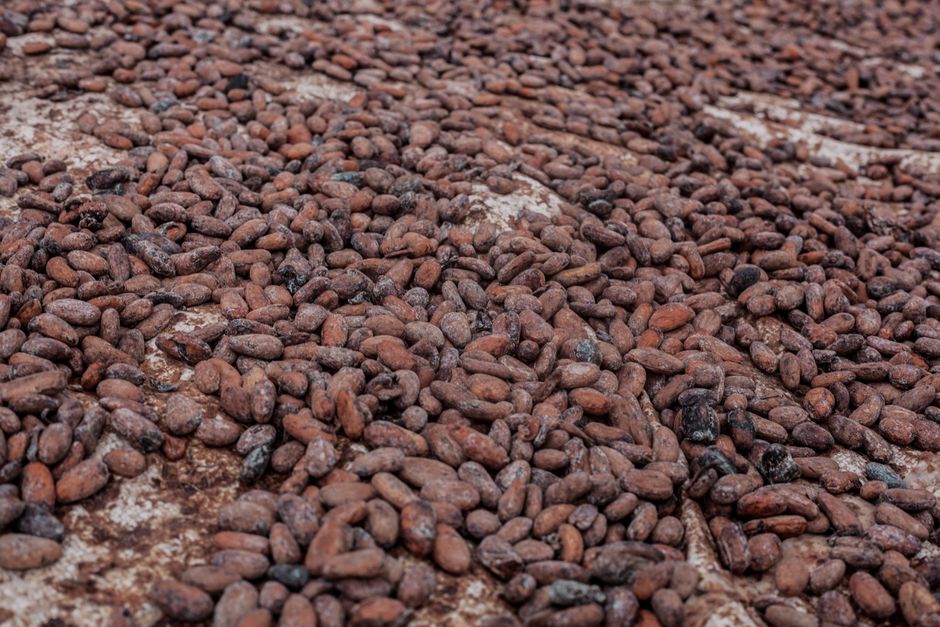
Lavaloha Chocolate Farm has thought through the rain problem more thoroughly than almost any other attraction on this list. Their tours operate with covered golf carts, and they provide umbrellas and towels to guests. You will walk through the orchard, learn about cacao cultivation, and finish with a bean-to-bar tasting that explains why Hawaiian chocolate commands the prices it does. The Original Hawaiian Chocolate Factory offers a different experience: a self-guided tour through a covered processing facility where you can watch the entire chocolate-making process from fermentation to packaging. Both are fully operational in wet weather and both send you home with samples.
Brewery & Cidery Hopping
Hilo Brewing Company runs a small, unpretentious taproom where the Hilo IPA and Lava Tube Stout are the standouts. The space is cozy and indoor, perfect for waiting out a squall. Ola Brew, a few minutes away, has a larger setup with ciders, hard seltzers, and a rotating cast of food trucks that park under cover. Hawaii Nui Brewing rounds out the local trio with flights and a relaxed indoor seating area. A rainy afternoon brewery crawl is a perfectly legitimate way to spend a day in Hilo, and the tasting rooms are spaced close enough that you can hop between them without getting soaked.
Big Island Candies (Free Samples)
Big Island Candies is a Hilo institution, and the factory tour is short, sweet, and entirely indoors. You watch workers dip shortbread cookies into vats of chocolate while you eat unlimited free samples of the finished product. The chocolate-dipped macadamia nut shortbread is the signature item, and it is hard to leave without buying a box or three. This is also a smart stop for souvenir shopping, since everything is packaged and ready to travel. The whole visit takes maybe twenty minutes, but it is a reliable mood-lifter on a gray day.
Lava Tubes & Cave Exploration (Naturally Rain-Proof)
Kaumana Caves (Free & Self-Guided)
Kaumana Caves is a public park built around a skylight entrance to a lava tube formed by the 1881 Mauna Loa eruption. You descend a steep staircase into a massive, dark cavern that stays cool and dry no matter what is happening above ground. Bring a flashlight or a headlamp. You can buy a cheap one at a nearby convenience store if you forgot to pack one, but do not rely on your phone light. The cave floor is uneven, and the rocks can be slick even when it has not rained, so sturdy, closed-toe shoes are non-negotiable. The main section is easy to explore, and you can go as deep as your comfort level allows. This is one of the best free rainy day activities in Hilo, and it feels like a genuine adventure.
Kazumura Cave Tours (Guided & Deep)
Kazumura is the world’s longest mapped lava tube, stretching over forty miles, and guided tours take you into sections that are otherwise inaccessible. The tours last two to four hours depending on the route, and the temperature inside holds steady around 65 degrees Fahrenheit. The cave is completely dry, so rain has zero impact on the experience. This is a more physically demanding option than Kaumana. You will need moderate fitness and a tolerance for enclosed spaces. If you are claustrophobic, skip this one. For everyone else, it is a rare chance to walk through the plumbing of an ancient volcano while the rainforest drips far above you.
Free & Budget-Friendly Rainy Day Activities
Liliʻuokalani Gardens is a Japanese-style park on the edge of Hilo Bay, and it is arguably more beautiful in the rain than in full sun. The mist softens the edges of the pagodas and stone lanterns, and the covered pavilions give you a dry place to sit and watch the weather move across the water. Leashed pets are welcome on the paths, and the gardens are free to enter.
Rainbow Falls is another attraction that actually improves with rain. More water flowing over the falls means a bigger, louder cascade, and the paved lookout is covered, so you can watch without getting drenched. The falls are only a few minutes from downtown, and parking is free. Do not swim here, especially during or after heavy rain. The currents are dangerous, and flash flooding is a real risk.
The Hilo Public Library is a quiet, historic building with free WiFi, local newspapers, and a reading room that feels like a step back in time. It is not a tourist attraction in the traditional sense, but on a wet afternoon it is a peaceful place to dry off, charge your phone, and plan the rest of your day.
Wailoa Center, a small art gallery inside Wailoa River State Recreation Area, features rotating exhibits from local Hawaiian artists. Admission is free, and the space is intimate enough that you can see everything in twenty minutes. It is worth a stop if you are already in the area.
Banyan Drive is a scenic loop lined with massive banyan trees planted by celebrities and historical figures in the mid-20th century. You can drive the entire stretch in ten minutes without leaving your car, which makes it the ultimate low-effort rainy day activity. The tree canopy is so dense that it almost feels like a tunnel.
Nighttime & Evening Rainy Day Options
Hilo Palace Theater is a restored 1925 movie palace that screens independent films, documentaries, and occasional live performances. The building itself is worth seeing, with its vintage marquee and old-Hawaii atmosphere. Evening showtimes make this a natural fit for a rainy night when walking around town is less appealing.
For dinner, Cafe Pesto occupies a historic building with a covered patio that keeps you dry while still feeling open and airy. The menu leans Italian-Hawaiian fusion, and the portions are generous. Pineapples Island Fresh Cuisine is another strong option, with indoor seating and live music on select nights. The open-air design is covered enough to handle rain, and the cocktail list is solid.
If the rain blocks any hope of stargazing, the ʻImiloa Astronomy Center runs planetarium shows in the evening. Check the schedule for the 7:00 PM slot. It is a smart backup plan that still delivers a night-sky experience, just indoors.
For a more casual evening, Hilo Town Tavern is the go-to bar with a laid-back local crowd and frequent live music. The Booch Bar offers a different vibe: kombucha on tap, craft cocktails, and a covered space that works well for a low-key night out.
Rainy Day Safety Tips for Hilo
Rain in Hilo is not just an inconvenience. It can create real hazards if you are unprepared. Flash floods are the biggest concern. Never cross flowing water on foot or in a vehicle, and never drive around barricades. The water is often moving faster than it looks, and the ground underneath may already be washed out.
Lava rock becomes extremely slick when wet. Wear shoes with good tread, especially if you are visiting caves, waterfalls, or any unpaved trail. Flip-flops are a bad idea on wet lava.
Do not swim at Rainbow Falls, Boiling Pots, or any waterfall during or after heavy rain. Currents intensify quickly, and the water can rise without warning. The same applies to coastal areas where streams meet the ocean.
On the road, Hilo Highway and other routes can develop standing water and reduced visibility. Slow down, use your headlights, and give yourself extra braking distance. Lightning is rare in Hilo compared to the mainland, but thunderstorms do happen. Avoid open fields and tall trees if you see lightning nearby.
Rainy Day Activities for Digital Nomads & Remote Workers
If you are working remotely from Hilo and need a reliable connection on a rainy day, several spots deliver. Hilo Coffee Mill has a covered lanai with strong WiFi and a steady stream of caffeine. The Bicycle Shop Cafe offers indoor seating, plenty of outlets, and a menu that justifies camping out for a few hours. The Starbucks on Kilauea Avenue is the consistent backup: predictable WiFi, familiar drinks, and no pressure to leave.
For a dedicated workspace, Hilo Works offers day passes with access to desks, meeting rooms, and reliable internet. The Hilo Public Library is the free alternative, with WiFi and quiet workstations that do not require a reservation.
Pet-Friendly Rainy Day Activities
Traveling with a dog in Hilo narrows your options, but a few solid choices remain. Liliʻuokalani Gardens allows leashed pets on the paths, and the covered gazebos give you a place to wait out a shower together. Ola Brew welcomes leashed dogs on their covered lanai, so you can enjoy a cider while your pup stays dry. Banyan Drive and the Rainbow Falls lookout both work as car-friendly sightseeing options if the rain is too heavy for walking.
Lava tubes are off-limits for pets. Kaumana Caves and Kazumura Cave do not allow dogs due to safety risks and conservation concerns. Do not plan on bringing your pet to any cave-based activity.
Activities to SKIP When It’s Raining in Hilo
Some attractions are genuinely worse in the rain, and it is better to save them for a clear day. Akaka Falls State Park tops this list. The paved trail is short but steep, and when it is wet the path turns muddy and slippery. The waterfall views are often obscured by mist, and the whole experience feels like a slog rather than a highlight.
Mauna Kea Summit is another hard skip. Cloud cover eliminates any chance of a view, and ice on the access road creates dangerous driving conditions. The visitor center at lower elevation is a better bet, but even that can feel bleak in heavy fog.
Punaluʻu Black Sand Beach loses its appeal in the rain. The drive from Hilo is long, the beach offers no shelter, and the turtles that usually bask on the sand tend to disappear when the weather turns. Save the black sand for a sunny Kona day.
Volcano National Park is a mixed bag. The visitor center and Jaggar Museum are fine in any weather, but the Crater Rim Drive overlooks and steam vents are often socked in with fog. You will not see much, and the park deserves a clear day to fully appreciate. If you do go, check out the visitor center and save the scenic drives for better conditions.
Frequently Asked Questions (PAA & Schema Opportunity)
What is the rainiest month in Hilo, Hawaii?
December is historically the wettest month in Hilo, averaging between 13 and 15 inches of rain. November and March are close behind. June tends to be the driest month, but even then Hilo sees around 8 inches of rain. The takeaway is simple: rain is always possible here, regardless of the season, so packing a light rain jacket is a year-round strategy.
What to do on a rainy day in Hilo?
The top five rainy day activities in Hilo are the Lyman Museum for Hawaiian history and culture, the Hilo Farmers Market for food and local crafts under a covered pavilion, Kaumana Caves for a free self-guided lava tube adventure, the Lavaloha Chocolate Farm tour for a rain-ready tasting experience, and the Mokupāpapa Discovery Center for a quick, free, indoor aquarium and exhibit stop.
Is Hilo worth visiting if it rains the whole time?
Yes, without question. Most of Hilo’s best attractions are indoors or designed for wet weather. The rain is also what creates the waterfalls, rainforests, and lush landscapes that make the east side so different from the rest of the island. A rainy Hilo trip is not a compromised trip. It is a different kind of trip, and for many visitors it ends up being the most memorable part of their Big Island stay.
What to do when it is raining on the Big Island (Hilo side)?
On the Hilo side specifically, focus on indoor and covered activities rather than driving to Kona. Visit the Pacific Tsunami Museum downtown, sample chocolate at Big Island Candies, explore Kaumana Caves with a flashlight, eat your way through the Hilo Farmers Market, and catch a planetarium show at ʻImiloa Astronomy Center. These are all Hilo-specific options that do not require crossing the island.
Final Tips for a Perfect Rainy Day in Hilo
Pack a light rain jacket and waterproof shoes. Umbrellas are less useful here because the rain often comes with wind, and a hooded jacket keeps your hands free. Keep your itinerary flexible and check a radar app like MyRadar to spot dry windows for outdoor stops. Book indoor tours, especially the chocolate farm and brewery tours, in advance during the rainy season to guarantee a spot. Most importantly, embrace the rain. Hilo’s waterfalls are fuller, the rainforest glows, and the crowds are thinner when the skies are gray. A rainy day on the east side is not something to endure. It is something to enjoy.
