You are deep in the planning stages of a Maui vacation. The snorkeling spots are bookmarked, the Road to Hana logistics are (mostly) figured out, and you have a running list of beaches to hit. Then someone mentions a pineapple tour. Upcountry. Ninety minutes. Ninety-five dollars. And you get a pineapple to take home. The question hangs in the air: is this a genuine island experience or just an expensive walk through a field? The answer matters because vacation time is limited and Maui is not cheap. This guide breaks down everything about maui pineapple farm tours in 2026: the cost, the experience minute by minute, how it stacks up against other island activities, and whether that free pineapple really tastes as good as people say. No fluff, no affiliate-driven cheerleading, just the information you need to decide if this belongs on your itinerary.
Table of Contents
- What Is the Maui Pineapple Tour? (An Overview)
- Maui Pineapple Farm Tours: A Detailed Itinerary and What to Expect
- Is the Maui Pineapple Tour Worth It? (An Honest 2026 Review)
- How to Get to Hāliʻimaile Farms (Transportation and Logistics)
- Frequently Asked Questions About Maui Pineapple Farm Tours
- Beyond the Tour: What to Do After Your Pineapple Farm Visit
- The Science of the Sweetness: Why Maui Gold Is Different
- Book Your Maui Pineapple Tour for 2026
What Is the Maui Pineapple Tour? (An Overview)
The Maui Pineapple Tour is a 90-minute guided walking experience through a working Maui Gold pineapple plantation at Hāliʻimaile Farms in Upcountry Maui. This is not a theme park version of a farm. It is an active agricultural operation that has been producing pineapples on the slopes of Haleakala for over 50 years. The rows of spiky plants you walk through are the same ones that produce fruit shipped to customers across the United States and Canada.
The cost is $95 per person for anyone age 3 and up. That price includes the tour itself and one full-sized Maui Gold pineapple per guest, pre-packaged and approved for airport transport. You do not have to awkwardly stuff a pineapple into your carry-on and hope TSA looks the other way. The packaging is designed specifically for travel, a detail that solves a real logistical headache for visitors who want to bring a taste of Maui home.

The guides are not hired performers reading from a script. They are actual pineapple workers, people who spend their days planting, tending, and harvesting the crop. Their commentary weaves together the history of pineapple cultivation on Maui, the science of growing in volcanic soil, and the kind of trivia that only comes from working the fields day after day. This authenticity is the tour’s strongest differentiator and the reason it holds a 4.7-star rating on Yelp from over 970 reviews.
Who Is This Tour For?
The tour works well for families with kids old enough to walk comfortably (the age minimum is 3), couples looking for a break from beach days, and solo travelers with an interest in agriculture or food systems. If you enjoy knowing where your food comes from, or if you just really love pineapple, you will find it satisfying. It is not ideal for visitors with significant mobility limitations, as the field paths are uneven dirt and gravel. Very young toddlers may also struggle with the pace and lack of shade. For everyone else, the combination of a scenic Upcountry setting, hands-on tasting, and a genuinely useful souvenir makes it a strong half-day activity.
Maui Pineapple Farm Tours: A Detailed Itinerary and What to Expect
Most tour descriptions give you the broad strokes: walk through fields, see the packing facility, taste pineapple. But knowing how the 90 minutes actually unfolds helps you set expectations and plan the rest of your day. Here is the real breakdown, based on how the tour typically runs.
Arrival and Check-In (15 minutes)
The tour meets at Hāliʻimaile Farms, located at 883 Hāliʻimaile Road in Makawao. When you pull into the property, you will see a gravel parking lot with ample space. Parking is free. Check in at the designated meeting point, where a staff member will confirm your reservation and get your group organized. There is usually a brief wait while everyone arrives, giving you a moment to take in the view: rows of pineapple plants stretching toward the slopes of Haleakala, often with the volcano’s summit visible in the distance. Use this time to apply sunscreen and make sure your water bottle is handy.
The Field Walk (45 minutes)
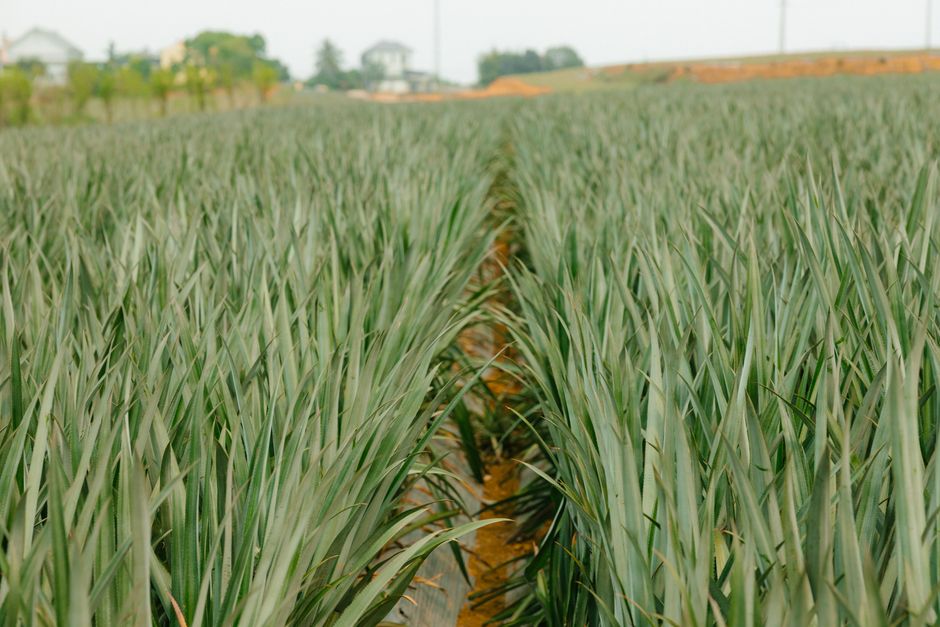
The guide leads your group directly into the working fields. This is the heart of the tour. You walk between rows of pineapples at various growth stages, from small, newly planted crowns to mature plants with fruit beginning to color. The guide explains the full 18-month growing cycle, a timeline that surprises most visitors accustomed to thinking of produce in terms of weeks, not seasons.

You will learn how the volcanic soil and cool Upcountry nights contribute to the fruit’s development. The guide will point out the subtle signs that indicate when a pineapple is ready for harvest. At several stops, the guide cuts into pineapples at different ripeness levels and passes samples around. Tasting a slice of Maui Gold straight from the plant, still cool from the morning air, is the moment most visitors cite as the highlight. The sweetness is immediate and intense, with almost none of the acidic bite that grocery store pineapples often have.
The Packing Facility (20 minutes)
After the fields, the group moves into the packing facility. This is a working warehouse where harvested pineapples are washed, sorted by size and quality, and packed into boxes for shipping. The guide explains how the fruit moves from field to customer, including the logistics of shipping fresh pineapples to the mainland US and Canada. You will see the equipment used to clean and prepare the fruit and learn how workers determine which pineapples meet the Maui Gold standard. This behind-the-scenes access is something you simply cannot get by visiting a farm stand or grocery store.
Tasting and Wrap-Up (10 minutes)
The tour concludes with a final tasting of fully ripe Maui Gold pineapple, often accompanied by a Q&A session where the guide fields questions about growing techniques, the history of pineapple on Maui, and tips for cutting and preparing the fruit at home. Each guest then receives their pre-packaged pineapple, boxed and ready for the flight home. The whole experience wraps up right around the 90-minute mark.
What to Wear and Bring for Your Tour
Footwear matters here. Closed-toe shoes are strongly recommended. The paths between pineapple rows are uneven dirt, and the plants themselves have spiky leaves that can scratch bare ankles. Sneakers or hiking sandals with a closed toe work well. Sun protection is non-negotiable. The fields offer minimal shade, and the Upcountry sun at elevation can burn quickly even on overcast days. Wear a hat, apply sunscreen before the tour starts, and bring sunglasses. Carry a water bottle. There is no concession stand in the fields, and you will be walking and talking for 90 minutes. A camera or phone is worth having ready. The contrast of green fields against the Haleakala backdrop makes for excellent photos, and your guide will likely point out the best spots to capture the scene.
Is the Maui Pineapple Tour Worth It? (An Honest 2026 Review)
The $95 question. At first glance, the price can feel steep for a 90-minute activity. But breaking down the value reveals a more nuanced picture. A high-quality Maui Gold pineapple retails for roughly $15 to $20 when shipped to the mainland. Subtract that from the ticket price, and you are effectively paying about $75 to $80 for the guided experience itself. For comparison, a standard snorkel trip on Maui often runs $120 to $160, and many luaus start at $180 per person. In that context, the pineapple tour sits in a reasonable mid-range for a structured island activity.
The strongest argument in favor of the tour is the authenticity of the guides. These are not seasonal hires reading bullet points. They are people who work the land and can answer detailed questions about soil composition, pest management, and harvest timing because they deal with those realities every day. That depth of knowledge transforms what could be a simple farm walk into a genuinely educational experience. The fruit itself is another major plus. Maui Gold pineapples are known for their high natural sugar content, low acidity, and elevated Vitamin C levels, qualities directly tied to the volcanic soil and cool nighttime temperatures on Haleakala’s slopes. Tasting the difference between a freshly harvested Maui Gold and a standard supermarket pineapple is a revelation.
The convenience of the airport-ready packaging also deserves credit. Many visitors want to bring local produce home but worry about agricultural restrictions or messy luggage situations. The tour solves that problem cleanly.
On the other side of the ledger, the tour is relatively short. At 90 minutes, it does not fill a full morning or afternoon the way a longer excursion might. There is no self-guided option for visitors who prefer to explore at their own pace. The location in Upcountry Maui means a drive of 45 minutes or more from the major resort areas of Kaʻanapali and Wailea, which eats into beach or pool time. And the lack of shade in the fields can be uncomfortable on hot, sunny days, particularly for anyone sensitive to heat.
The social proof is strong. The 4.7-star Yelp rating across more than 970 reviews is not easy to earn, and the sentiment on travel forums like Reddit is broadly positive. The most common refrain: the pineapple alone is worth the trip, and the educational component is a bonus. The most common criticism: the drive is longer than expected, and the price feels high for the duration. Neither of those complaints is a dealbreaker for most visitors, but they are worth factoring into your decision.
Maui Pineapple Tour vs. Dole Plantation (Oahu)
Travelers splitting time between Maui and Oahu often wonder which pineapple experience to choose. The two are fundamentally different. The Dole Plantation on Oahu’s North Shore is a large-scale tourist attraction with a train ride, a garden maze, a large gift shop, and crowds to match. It is designed for high-volume family entertainment. The Maui Pineapple Tour is a working farm visit with small groups, no gift shop, and no amusement-style features. You are walking through actual production fields, not a demonstration garden.
The pineapple quality also differs. Maui Gold is consistently rated as sweeter and less acidic than the standard Dole variety, a difference you can taste side by side. If you want a broad, kid-focused attraction with multiple activities, Dole is the better fit. If you want an authentic agricultural experience and a superior piece of fruit, Maui wins.
Maui Pineapple Tour vs. Other Maui Agricultural Tours
Maui has several farm and garden tours worth considering. The Maui Tropical Plantation in Central Maui covers a wider range of crops, from coffee to sugarcane to tropical flowers, and includes a restaurant and zip line operation. It is more commercial and less focused than the pineapple tour. The Alii Kula Lavender Farm offers a completely different sensory experience: cool mountain air, fragrant gardens, and sweeping views, but no edible souvenir to take home. Coffee tours like the one at MauiGrown Coffee in Kaʻanapali are smaller in scale and often include free tastings, but they center on the beverage industry rather than food production.
The pineapple tour stands out for one reason: you leave with something tangible and delicious. That airport-ready box of Maui Gold is a souvenir you can actually eat, share, and remember. No other agricultural tour on Maui offers quite the same combination of education, tasting, and take-home value.
How to Get to Hāliʻimaile Farms (Transportation and Logistics)
The farm is located at 883 Hāliʻimaile Road in Makawao, Hawaii 96768. From the Kaʻanapali or Wailea resort areas, the drive takes approximately 45 minutes. From Kahului, where the airport and many condominium rentals are located, it is about 20 minutes. The route takes you through central Maui and up into Upcountry, with the landscape shifting from coastal plains to rolling green slopes as you gain elevation.
Parking is free and on-site. The lot is gravel and generally has enough space for all tour guests. There is no shuttle service or hotel pickup available. You will need a rental car or a rideshare like Uber or Lyft. If you are relying on rideshare, schedule your ride in advance for the return trip. Cell service in Upcountry can be spotty, and you do not want to be stranded in a farm parking lot waiting for a signal.
The farm’s location makes it easy to combine with other Upcountry activities. Makawao Town, a historic paniolo (Hawaiian cowboy) community, is just a few minutes down the road. The Upcountry Farmers Market operates on Saturdays and is worth a stop for local produce and prepared foods. Haleakala National Park is a natural next step if you are planning a summit visit, though the drive from the farm to the summit takes about an hour. If you are doing the sunrise at Haleakala, the pineapple tour makes a logical mid-morning activity on the way back down.
Frequently Asked Questions About Maui Pineapple Farm Tours
Can you visit the Maui pineapple farm without a tour?
No. Hāliʻimaile Farms is a working agricultural facility, not a public attraction with walk-in access. Entry is limited to paid tour participants only. There is no retail shop, no self-guided walking path, and no area where you can simply stop by to look around or buy a pineapple. If you want to see the farm and taste the fruit on-site, booking a tour is the only option.
Can I bring my free pineapple on the plane?
Yes. The pineapple you receive at the end of the tour is packaged specifically for air travel. It is approved by agricultural inspection for transport to the US mainland in either carry-on or checked luggage. The box is sturdy and designed to protect the fruit during transit. You do not need to declare it separately beyond standard agricultural screening procedures at Kahului Airport.
Is the tour wheelchair or stroller accessible?
The packing facility portion of the tour is accessible. The field walking portion is more challenging. The paths are unpaved dirt and gravel, with uneven surfaces that can be difficult for standard wheelchairs and strollers with small wheels. If you have specific accessibility needs, contact the tour operator directly before booking. They can advise on current field conditions and whether accommodations are possible.
What is the best time of year to take the tour?
The tour operates year-round, and the tasting experience is consistent regardless of season. That said, the harvest period from roughly June through September offers the most visually dramatic experience, with fields full of fruit at various stages of ripening. The weather in Upcountry is generally pleasant throughout the year, though mornings can be cooler and afternoons warmer. Rain is possible in any season but tends to pass quickly.
Can I ship pineapples home from the farm?
Yes. Maui Gold operates an online store that ships fresh pineapples directly to addresses in the United States and Canada. You do not need to take the tour to order fruit for shipping. If you take the tour and want more than your complimentary pineapple, or if you want to send fruit as a gift, the shipping option is available.
Beyond the Tour: What to Do After Your Pineapple Farm Visit
The tour ends around midday for most groups, leaving you with a full afternoon to explore Upcountry Maui. The most convenient lunch option is right on the property. Hāliʻimaile General Store, the restaurant founded by celebrated chef Bev Gannon, sits at the entrance to the farm. The menu features locally sourced ingredients and dishes that reflect Maui’s plantation-era culinary heritage. The crab pizza and the pineapple upside-down cake are both worth ordering.
A short drive down the road takes you into Makawao Town, one of Maui’s most distinctive communities. The town has deep roots in the paniolo tradition, and you can still see horses tied up outside some of the buildings. Browse the art galleries, poke into the boutique shops, and stop at Komoda Bakery for cream puffs and stick donuts. The bakery has been a local institution for generations and often sells out by early afternoon.
If you are heading toward Haleakala, the MauiWine tasting room is located on the road to the summit. They offer tastings of pineapple wine, estate-grown grape wines, and other fruit wines in a historic setting with views of the surrounding ranchland. It is a relaxed, adults-only complement to the family-friendly pineapple tour.
For those with summit reservations, the drive from the farm to the Haleakala visitor center takes about an hour. Sunset at the summit is spectacular and does not require the same advance planning as sunrise. Bring warm layers. The temperature at 10,000 feet can drop into the 40s even when it is 80 degrees at sea level.
The Science of the Sweetness: Why Maui Gold Is Different
The Maui Gold pineapple is not just a marketing label. The fruit’s distinctive flavor profile is the result of specific growing conditions that cannot be easily replicated elsewhere. The volcanic soil on Haleakala’s slopes is rich in minerals and drains exceptionally well, preventing the root rot that can plague pineapples grown in heavier soils. The elevation and trade wind exposure create cool evening temperatures, sometimes dropping 20 to 30 degrees from daytime highs. This temperature swing slows the ripening process, allowing the fruit to develop natural sugars over a longer period without the acid buildup that occurs in faster-growing, lower-elevation varieties.
The result is a pineapple with high Brix (a measure of sugar content), low acidity, and elevated Vitamin C levels compared to standard commercial pineapples. The 18-month growing cycle is roughly double what some mass-market producers allow, and that extra time on the plant translates directly into the flavor you taste on the tour. When the guide cuts open a Maui Gold in the field, the flesh is golden, intensely fragrant, and sweet enough to eat without any of the mouth-puckering sensation that makes some people avoid fresh pineapple.
This is also why the airport-ready packaging matters. A Maui Gold pineapple at peak ripeness is more perishable than the under-ripe fruit sold in mainland grocery stores. The tour’s packaging is designed to protect the fruit during transit so it arrives home in the same condition it left the farm.
Book Your Maui Pineapple Tour for 2026
Reservations for the Maui Pineapple Tour are available directly through the official website, which typically offers the best pricing and most current availability. Tours run multiple times daily, but slots fill up quickly during peak travel periods, including winter holidays, spring break, and the summer months of June through August. Booking two to four weeks in advance is a safe bet, though last-minute availability sometimes opens up if other visitors cancel.
The standard cancellation policy allows for a full refund with 24 to 48 hours of notice, but confirm the specific terms when you book, as policies can shift. If you are building a Maui itinerary that balances beach time, adventure, and cultural experiences, this tour fits neatly into a morning or early afternoon slot and pairs well with the Upcountry activities described above. The combination of an authentic working farm, genuinely knowledgeable guides, and a souvenir you can actually enjoy makes it one of the more memorable ways to spend 90 minutes on the island. Add it to your list, book early, and get ready to taste what volcanic soil and patience can produce.
