Kona is the kind of place that sounds almost too good to be true. Sun-drenched lava landscapes, impossibly blue water, and a pace of life that forces even the most tightly wound traveler to exhale. But here is the catch: the Big Island is enormous, Kona is spread out, and the sheer volume of "must-do" lists online can leave you more confused than when you started. You can burn half a day driving to the wrong beach or blow a week's food budget on a mediocre luau if you do not have a plan.
Table of Contents
- 1. Swim with Manta Rays at Night (The #1 Bucket List Item)
- 2. Snorkel Kealakekua Bay and the Captain Cook Monument
- 3. Tour a Kona Coffee Farm (Taste the Terroir)
- 4. Explore Puuhonua o Honaunau National Historical Park
- 5. Chase Waterfalls and Hike the Trails (Free and Off-the-Beaten-Path)
- 6. The Best Beaches in Kona (For Sunsets and Swimming)
- 7. Attend a Luau (Which One Is Worth the Money?)
- 8. Seasonal Magic: Whale Watching and Sunset Cruises
- 9. Local Food and Drink (Beyond the Resort)
- 10. Non-Touristy and Unique Experiences (The Gap Fill Section)
- Kona Travel Tips for 2026 (Weather, Crowds, and Logistics)
- Frequently Asked Questions About Kona, Hawaii
- The 3-Day Kona Itinerary (Quick Summary)
This side of the island is the dry, sunny counterpoint to the lush, rain-soaked Hilo coast. You fly into Kona International Airport (KOA), which sits just north of Kailua-Kona, and within minutes you are staring at black lava fields and ocean views that make the five-and-a-half-hour flight from Los Angeles feel like a distant memory. Whether it is your first trip or your fifth, this Kona Hawaii must do list cuts through the noise. It balances the iconic bucket-list adventures with the free, quiet, and genuinely local experiences that most guides skip. Here are the 12 non-negotiable experiences to build your trip around.
1. Swim with Manta Rays at Night (The #1 Bucket List Item)
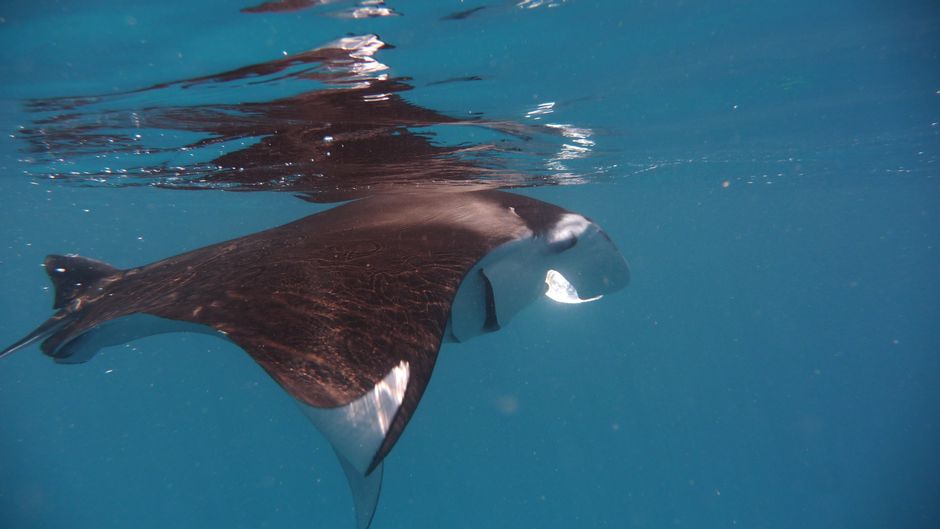
If you do exactly one thing in Kona, make it this. Night snorkeling with manta rays is the single most frequently recommended activity across every guide, forum, and local conversation for good reason. These creatures have wingspans that can reach up to 16 feet, and watching them barrel roll inches beneath you while feeding on bioluminescent plankton is the kind of experience that rewires your definition of "epic."
The logistics matter more here than for most activities. Tours depart from two main locations: Keauhou Bay and Kailua Pier. The Keauhou Bay departures are the smarter choice for most people. The boat ride to the viewing site is significantly shorter, which means less time bouncing on dark water if you are prone to seasickness. The experience itself involves holding onto a floating light board while mantas swoop up from the depths to feed. It is controlled, safe, and utterly surreal.
Timing can make or break the night. Book your trip as close to a new moon as possible. Darker skies mean more plankton concentration, and more plankton means more mantas. Weeknights, particularly Mondays and Tuesdays, tend to be less crowded than weekends. Book a small-group operator rather than the largest catamarans. With fewer people on the light board, you get more time directly above the action and less time jostling for position.
2. Snorkel Kealakekua Bay and the Captain Cook Monument
Kealakekua Bay is a marine sanctuary, which means the water is clear, the coral is healthy, and the fish behave like they own the place. The bay centers around the Captain Cook Monument, a white obelisk that marks the spot where the British explorer met his end in 1779. The history is fascinating, but the real draw is what lives below the surface: schools of yellow tang, parrotfish, and spinner dolphins that frequent the bay.

You have three ways to reach the monument. The first is by kayak, which is hard work but deeply rewarding. You paddle across the bay, land your kayak on the small beach near the monument, and snorkel at your own pace. Rentals launch from Napoopoo Beach, and you need to be comfortable on open water. The second option is a boat tour, which handles all the logistics, often includes lunch, and gets you to the best snorkel spots without breaking a sweat. The third option is the hike, a steep 2.5-mile trail that drops down from the roadside to the monument. It is free, it is hot, and it is strenuous, but for budget-conscious travelers who want a workout, it delivers.
A word on conservation: this is a protected area. Do not touch the coral. Do not chase the sea turtles. Reef-safe sunscreen is not a suggestion here; it is a legal requirement. If the bay feels too crowded or you want a free alternative, drive a few minutes south to Two Step Beach, just outside Puuhonua o Honaunau National Historical Park. The entry is a literal two-step rock ledge into clear water, and the snorkeling rivals Kealakekua without the logistical hurdles.
3. Tour a Kona Coffee Farm (Taste the Terroir)
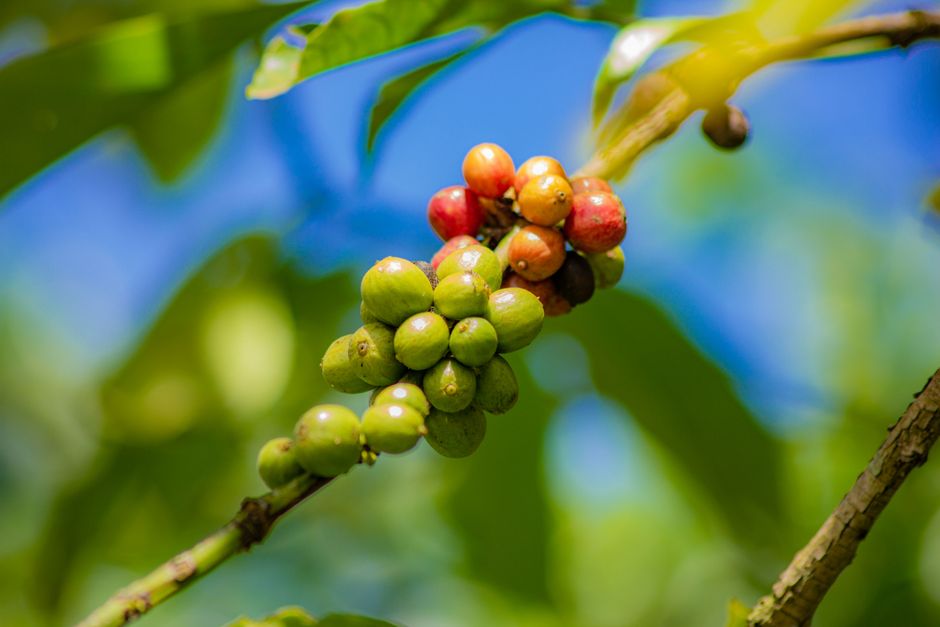
Kona coffee is not just a marketing label. The combination of volcanic soil, morning sun, afternoon cloud cover, and elevation on the slopes of Hualalai and Mauna Loa produces a bean with a distinct, smooth, low-acid profile that coffee snobs chase. Touring a farm connects you to the land in a way that sipping a cup at a resort never will.
Not all farm tours are created equal. Heavenly Hawaiian Coffee Farm is a local favorite that sits at a higher elevation with sweeping views of the coast. The tour is informative without being pretentious, and the tastings are generous. Kona Joe Coffee Farm is the more scenic, manicured option, known for its trellised growing method that mimics vineyards. Both offer free tastings even if you skip the formal tour, which makes this one of the easiest budget-friendly activities in Kona. You can walk through the orchards, learn about the Kona typica bean, and sample dark, medium, and light roasts without spending a dime beyond what you choose to buy in the gift shop.
4. Explore Puuhonua o Honaunau National Historical Park
This is the cultural heart of the Kona coast. Puuhonua o Honaunau, the Place of Refuge, was a sanctuary for ancient Hawaiians who had broken a kapu, or sacred law. If you could reach this place, a priest could absolve you. The weight of that history still hangs in the air as you walk past the carved wooden ki'i statues and along the massive stone wall that separates the royal grounds from the refuge area.
The park is compact but dense with meaning. You will see temple platforms, fishponds, and a reconstructed heiau. The self-guided tour takes about an hour, but you can linger longer if the mood strikes. Entry costs $25 per vehicle, and the pass is good for seven days, so you can return for sunset or an early morning walk. Arrive before 9 a.m. to beat the tour buses and the midday heat. The adjacent Two Step Beach, mentioned above, makes this an easy two-for-one stop.
5. Chase Waterfalls and Hike the Trails (Free and Off-the-Beaten-Path)
Most Kona guides skip hiking entirely, which is a mistake. The trails here do not get the same attention as the beaches, but they offer solitude, views, and a chance to burn off the poke bowls. The best easy option is the coastal trail at Kaloko-Honokohau National Historical Park. This is a flat, sandy path that winds past ancient fishponds, lava fields, and a beach where honu, or green sea turtles, haul out onto the sand with reliable frequency. It is free, it is rarely crowded, and it delivers a quiet, windswept beauty that feels miles away from the resorts.
For something more challenging, the Puu Waawaa Cinder Cone trail climbs roughly 1,500 feet over a series of switchbacks to a viewpoint that overlooks the entire Kona coast. The trail is exposed and hot, so start early and bring more water than you think you need. The reward is a 360-degree panorama that includes Maui on a clear day.
Waterfalls near Kona require some honesty. The famous ones, like Rainbow Falls and Akaka Falls, are on the Hilo side, a two-and-a-half to three-hour drive away. If you are staying exclusively in Kona, Kolekole Beach Park offers a seasonal waterfall that flows after heavy rains, but it is not a guaranteed spectacle. The better play is to treat the Hilo waterfalls as a day trip, combining Akaka Falls with a stop at a farmers market and a drive along the Hamakua Coast. Hiking and state park visits are the best free activities in Kona, and they balance out the cost of the pricier guided tours.
6. The Best Beaches in Kona (For Sunsets and Swimming)
Kona beaches are not the endless stretches of soft sand you find on Maui. They are smaller, more rugged, and often tucked between lava outcroppings. That does not make them any less stunning. It just means you need to know which one matches your mood.
Kua Bay, also called Maniniowali Beach, is the postcard option. White sand, turquoise water, lifeguards on duty, and a paved access road that makes it one of the easiest beaches to reach. It fills up fast, so arrive before 10 a.m. or after 3 p.m. Magic Sands Beach, officially Laaloa Beach Park, is a local favorite for bodyboarding and the strange phenomenon of disappearing sand. During high surf, the sand gets pulled offshore, leaving behind a rocky shelf. It returns with calmer conditions, but the name is earned.
Makalawena Beach requires a 20-minute hike over a lava rock trail, and that effort is precisely what keeps it pristine. The beach is a series of coves with white sand and excellent snorkeling along the rocky edges. There is no shade, no facilities, and no cell service. Bring water shoes for the hike and the shoreline. The lava rock is sharp, and a cut on the first day of vacation is not how you want to start the trip.
7. Attend a Luau (Which One Is Worth the Money?)
Luaus are expensive, and not all of them justify the price tag. The Voyagers of the Pacific Luau at the Royal Kona Resort is the most frequently recommended for its oceanfront setting. You watch the sun drop into the Pacific while dancers tell Polynesian stories through fire and movement. The buffet is solid, the mai tais flow, and the location is hard to beat.
The Island Breeze Luau at King Kamehameha's Kona Beach Hotel leans more heavily into historical and cultural authenticity. It is held on the grounds of a reconstructed heiau, and the storytelling feels less like a Vegas production and more like a genuine attempt to honor Hawaiian tradition. Both luaus run north of $150 per person. If that does not fit your budget, look for free hula shows at local farmers markets or the Keauhou Shopping Center. You get a taste of the culture without the sticker shock.
8. Seasonal Magic: Whale Watching and Sunset Cruises
Between December and April, humpback whales migrate to Hawaiian waters to breed and calve. Kona is not as famous for whale watching as Maui, but the tours here are smaller and less crowded. Book a morning trip for calmer seas and better light. The whales breach, slap their tails, and occasionally swim close enough to the boat that you can hear them exhale.
Outside of whale season, a sunset dinner cruise fills the same slot in your itinerary. Body Glove Cruises is the top pick, with a solid dinner, drinks, and a stable catamaran that handles the evening chop well. If you are visiting Kona on a cruise ship and have limited port time, a sunset cruise is a smarter use of your evening than a luau. You tender into Kailua-Kona, walk to the pier, and board the boat with no rental car or shuttle logistics to manage.
9. Local Food and Drink (Beyond the Resort)
Kona has a food scene that punches above its weight, but you have to leave the hotel property to find it. Kona Brewing Co. is the obvious starting point. The beer is excellent, particularly the Longboard Island Lager and the seasonal offerings, and the pub food is a cut above standard brewery fare. The outdoor seating area is relaxed and family-friendly.
For poke, Da Poke Shack is the name that comes up most often, and for good reason. The ahi is fresh, the marinades are balanced, and the portions are generous. Umekes Fish Market Bar and Grill is another strong option, with a broader menu that includes grilled fish plates and poke bowls in a casual, order-at-the-counter setting.
The Keauhou Farmers Market, held on Saturdays, is where you go for local fruit, honey, coffee, and prepared foods. It is smaller than the Hilo markets but more convenient if you are staying in Kona. Big Island Bees Honey Farm, a stop that appears in several local guides, offers honey tastings that range from light, floral varietals to the deep, molasses-like notes of macadamia nut blossom honey. It is a quick, unique stop that pairs well with a coffee farm tour.
10. Non-Touristy and Unique Experiences (The Gap Fill Section)
This is the section for travelers who want something beyond the standard itinerary. The late-20s couple on Reddit looking for "something more unique" will find it here.
The Mamalahoa Hot Tubs sit along the Hamakua Coast, a series of natural lava rock pools filled with geothermally heated water. They are free, they are rustic, and they are not well-marked. You park on the side of the highway and walk a short path to the pools. The water is warm, not hot, and the ocean waves crash against the rocks just below. Go at low tide for the best experience, and keep an eye on the surf.
St. Benedict's Painted Church is a serene, free cultural stop that takes 20 minutes and stays with you much longer. A Belgian priest painted the interior walls and ceiling with biblical scenes in the early 1900s, using house paint and a ladder. The result is a folk-art masterpiece that feels worlds away from the beaches and resorts.
Hulihee Palace, in downtown Kailua-Kona, is a historic royal residence that costs $10 to enter. It was a vacation home for Hawaiian royalty, and the collection of artifacts, furniture, and photographs tells a story of a Hawaii that existed before tourism reshaped the coast.
For couples seeking a romantic, non-touristy evening, skip the crowded luau and pack a picnic for a sunset hike at Kaloko-Honokohau. The coastal trail is flat and easy, the sea turtles provide the entertainment, and the sunset over the ocean is just as spectacular as anything you will pay $150 to see.
Kona Travel Tips for 2026 (Weather, Crowds, and Logistics)
Kona's weather is consistent, but the crowds are not. The high season runs from November through March, when mainlanders flee the cold. Prices spike, and popular activities book out weeks in advance. The shoulder seasons, April through May and September through October, offer a sweet spot of decent weather and thinner crowds. If you can swing it, target those windows.
Crowd avoidance is a matter of timing more than location. Book manta ray snorkels on Monday or Tuesday nights. Hit the beaches before 10 a.m., when the parking lots fill and the tour vans arrive. If you are docking in Kona on a cruise ship, you tender directly into Kailua-Kona. You do not need a rental car. Walk to Magic Sands Beach, take a shuttle to a coffee farm, or book a snorkel tour that departs from the pier. Your time is limited, so prioritize one big activity and leave room to wander.
Packing matters here more than you might expect. Reef-safe sunscreen is required by law, and the sun is intense even on cloudy days. Water shoes are non-negotiable for rocky beaches and lava trails. A light jacket or hoodie is essential for evening boat rides, where the wind picks up and the temperature drops fast once the sun goes down.
Frequently Asked Questions About Kona, Hawaii
Is Kona or Hilo better for a first-time visitor? Kona is the better choice for sun, beaches, and classic Hawaii vacation vibes. Hilo is the pick for rainforests, waterfalls, and Volcanoes National Park access. Ideally, split your time between both.
How many days do you need in Kona? Three to four days is the minimum to hit the highlights without feeling rushed. A week gives you time to mix in rest days and spontaneous detours.
What is the number one thing to do in Kona? Manta ray night snorkeling. No other activity comes close in terms of sheer, unforgettable spectacle.
Is Kona expensive? Yes, but the free beaches, hikes, and coffee farm tastings help balance the budget. You can spend a lot or a little and still have an incredible trip.
The 3-Day Kona Itinerary (Quick Summary)
Day 1: Arrive at KOA, settle in, and head to a Kona coffee farm for a tasting and tour. Spend the afternoon swimming at Magic Sands Beach. In the evening, do the manta ray night snorkel.
Day 2: Snorkel Kealakekua Bay by boat or kayak in the morning. Visit Puuhonua o Honaunau National Historical Park and Two Step Beach in the afternoon. Dinner at Kona Brewing Co.
Day 3: Morning swim at Kua Bay before the crowds arrive. Hike the coastal trail at Kaloko-Honokohau to see sea turtles. End the trip with a luau or sunset dinner cruise.
